ANGUS REID, ANDY HEDGECOCK and MARIA DUARTE review On The Sea, A Useful Ghost, Brunello: The Gracious Visionary, and Pinocchio Unstrung


 Latest editorial

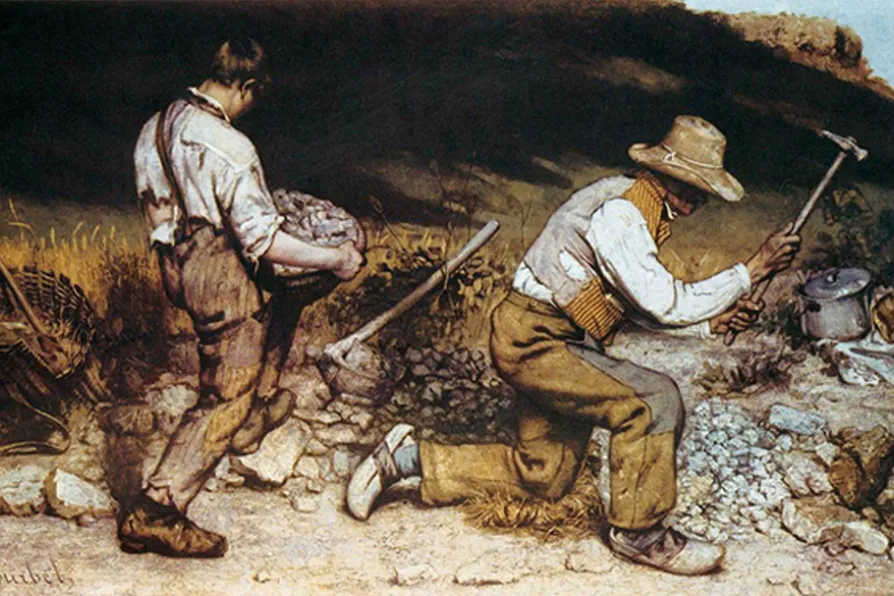
Gustave Courbet: The Stone Breakers
Painting which announced the advent of realism in European art

RON JACOBS enjoys a great tale, told by a US communist, of the lives of working-class New Yorkers
BRENT CUTLER searches a new history of contemporary Iran for an understanding of the Islamic Republic, finding both interesting detail and glaring omissions
MARIA DUARTE recommends the true story of the remarkable woman who sued Donald Trump for sexual assault not once, but twice
KENNY MacASKILL is disappointed by a polemical, rather than factual, account of the Lone Star State and its political path since the civil war
PAUL DONOVAN is fascinated by the lives of Charles and Mary Bagot, and the insight this biography shines on the morals of pre-Victorian society
GORDON PARSONS appreciates fine performances and a feel for ambiguity, but misses the music of the dialogue





THROUGHOUT 1848, Europe was in convulsions as widespread revolutionary unrest ushered in what became known as “The Spring of Nations” and, in February that year, Karl Marx and Frederick Engels published The Communist Manifesto.
The political ferment was as wide-reaching as it was spontaneous, with unstable alliances of social strata and classes with disparate political aims that could not endure. Nevertheless, it ushered in the final transformation of an archaic and unproductive feudal serfdom into the “modern” and “efficient” capitalist labour market. But the whip was to stay, albeit wielded by a different hand.
An independent-minded, self-proclaimed republican who supported the poor and oppressed and continuously irked the ruling elites, Gustave Courbet possessed the kind of spirit needed for such a time.

Similar stories
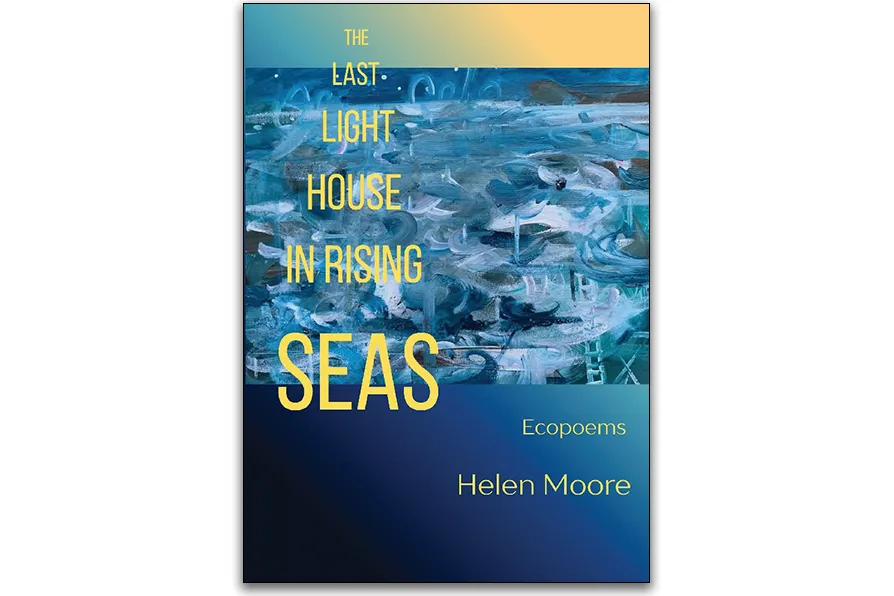
ALAN MORRISON welcomes a new collection from the most imaginative and committed ecopoet of our time
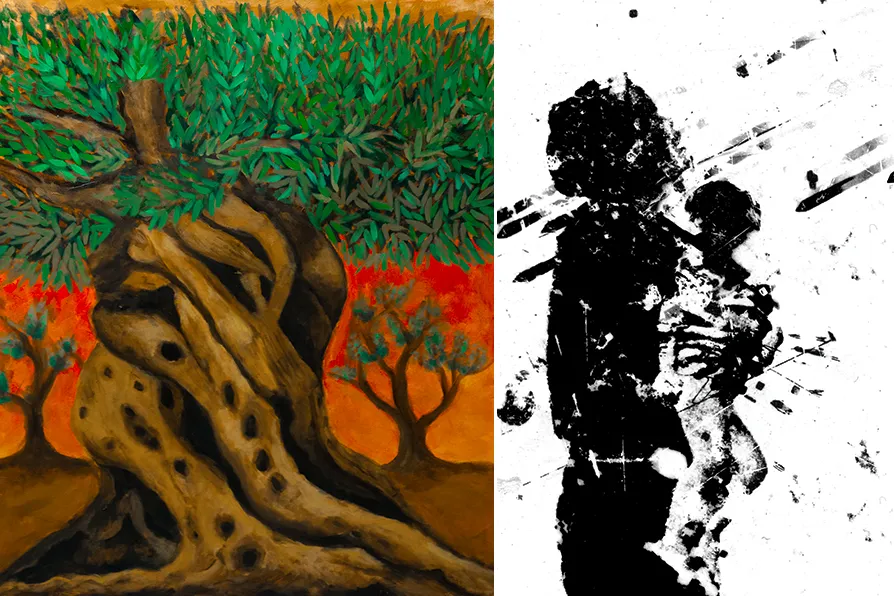
JAN WOOLF invigilates images that meditate on Palestine, and the people who witness them

NICK MATTHEWS recalls how the ideals of socialism and the holding of goods in common have an older provenance than you might think
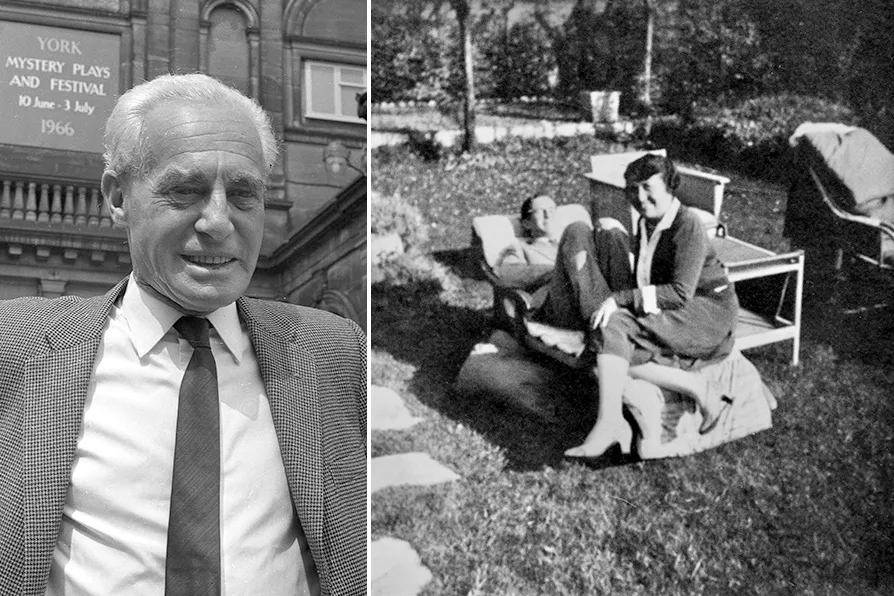
The creative imagination is a weapon against barbarism, writes KENNY COYLE, who is a keynote speaker at the Manifesto Press conference, Art in the Age of Degenerative Capitalism, tomorrow at the Marx Memorial Library & Workers School in London