ANGUS REID, ANDY HEDGECOCK and MARIA DUARTE review On The Sea, A Useful Ghost, Brunello: The Gracious Visionary, and Pinocchio Unstrung


 Latest editorial

How scientific advances ushered in one of the best known periods in European painting
Michal Boncza on Impressionism, one of the most enduring instantly recognisable periods in art
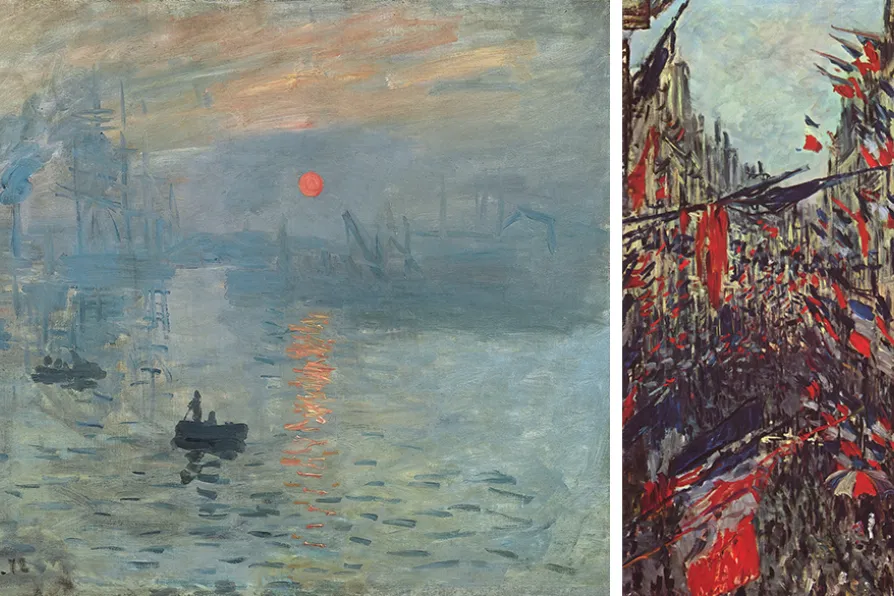 (Left) Impression, Sunrise, 1874; (right) La rue Saint Denis - street festivities of 30 June 1878, Paris

RON JACOBS enjoys a great tale, told by a US communist, of the lives of working-class New Yorkers
BRENT CUTLER searches a new history of contemporary Iran for an understanding of the Islamic Republic, finding both interesting detail and glaring omissions
MARIA DUARTE recommends the true story of the remarkable woman who sued Donald Trump for sexual assault not once, but twice
KENNY MacASKILL is disappointed by a polemical, rather than factual, account of the Lone Star State and its political path since the civil war
PAUL DONOVAN is fascinated by the lives of Charles and Mary Bagot, and the insight this biography shines on the morals of pre-Victorian society
GORDON PARSONS appreciates fine performances and a feel for ambiguity, but misses the music of the dialogue





IN 1874, three years after the bloody and traumatic demise of the Paris Commune, Claude Monet — son of a Parisian greengrocer — showed his work at group exhibition in Paris of like-minded painters.
His canvas, laconically titled Impression, Sunrise, depicts in swift and almost off-hand brush strokes the hazy view of the port of his adopted city Le Havre, as seen from his window at a dawn enveloped by dense fog.
The canvas's title provided the Le Charivary magazine’s art critic Louis Leroy's with the headline “The Exhibition of the Impressionists” for the review — not particularly imaginative, except for the neologism “impressionists.” It stuck like glue.

Similar stories
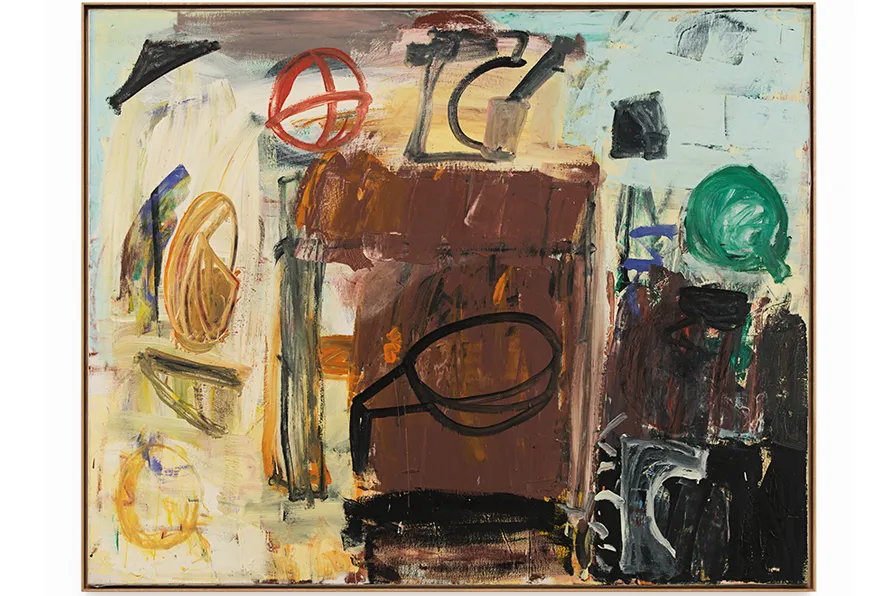
MIRANDA RICHMOND relishes the gloriously liberated art of Roy Oxlade, and traces his method back to the thinking of David Bomberg, his acknowledged teacher
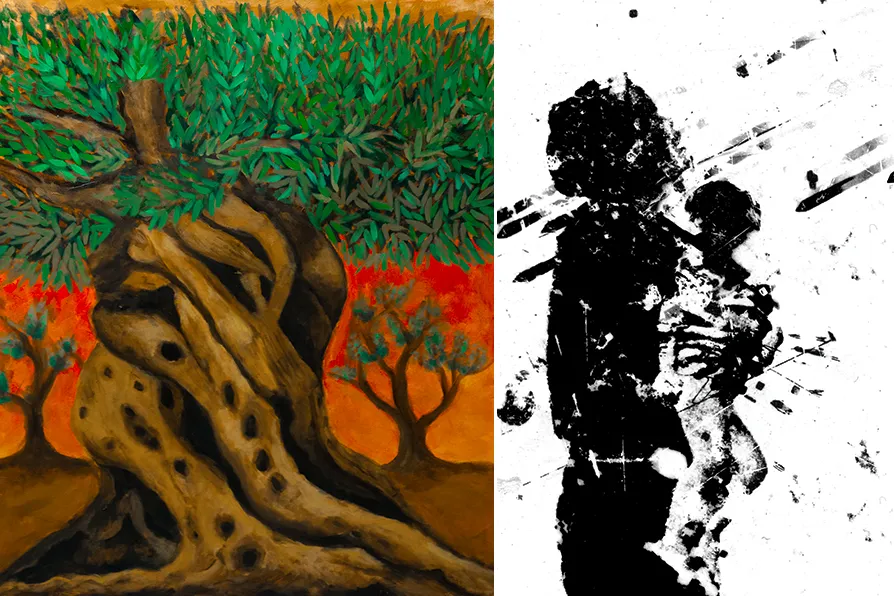
JAN WOOLF invigilates images that meditate on Palestine, and the people who witness them
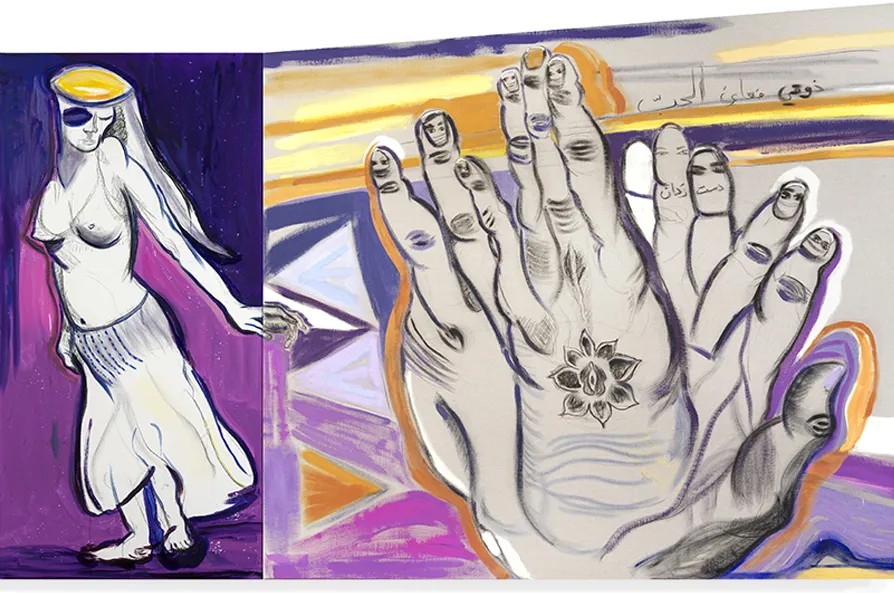
SIMON PARSONS applauds an artist who rescues and rehumanises stories of women, the victims of violence, from a feminist perspective
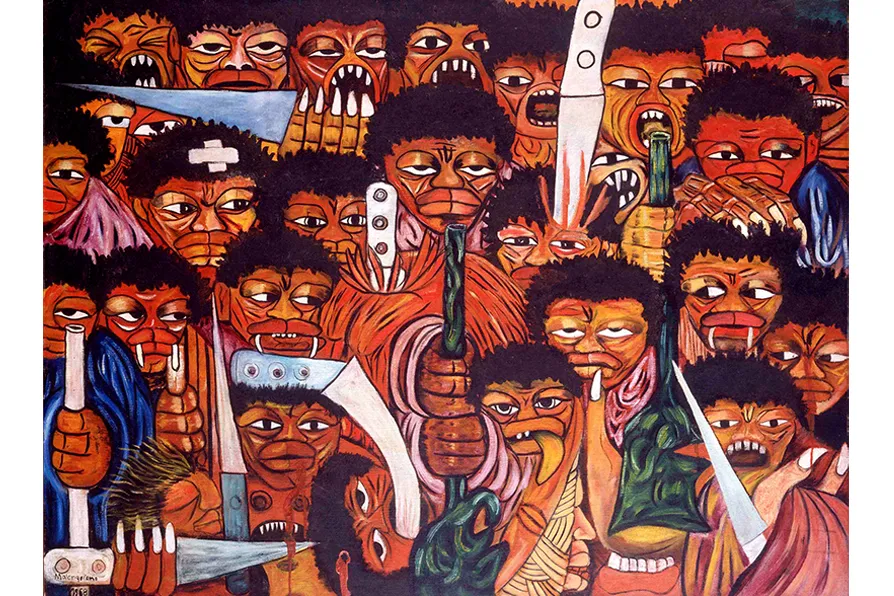
JOHN GREEN welcomes a remarkable study of Mozambique’s most renowned contemporary artist