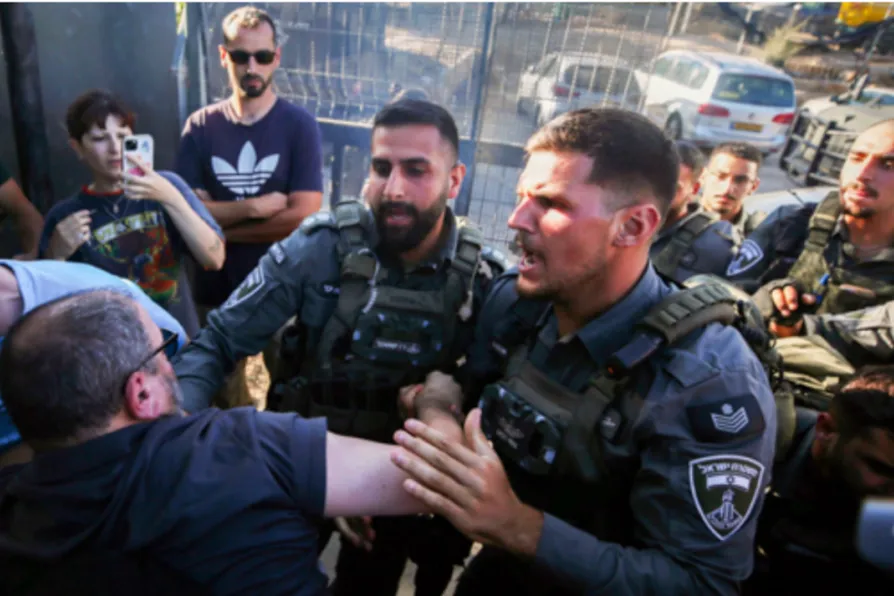
Police crackdowns on Israeli peace demonstrators combined with court rulings and settler organisations are designed to strip Palestinian families of their homes and land. The Israeli state has tried to silence both Israelis and Palestinians who resist, according to Zo HaDerekh (This Is The Way) the Communist Party of Israel’s Hebrew-language weekly


 Latest editorial

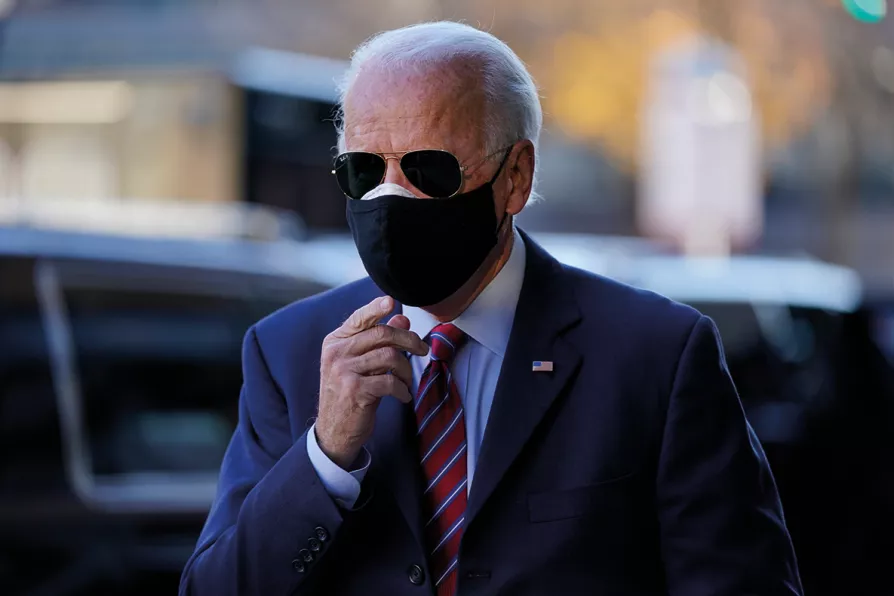
Biden needs to change his approach to Venezuela
While the US president is pursuing a more progressive domestic policy agenda in many respects, his position towards Venezuela appears to be alarmingly similar to Trump’s, warns TIM YOUNG
The attacks on black academics are well-funded and relentless, writes DIANE ABBOTT, and they need to be fearlessly resisted by all concerned
Communists in Australia, Britain and the US outlined a joint state agreement against their governments’ militarist provocations.
Extreme hot weather resulting from environmental change needs to be tackled through greater firefighting investment instead of fewer jobs and less resources, writes COLIN BROWN
Faced with crises in every direction, Volodymr Zelensky is rewriting his country’s complex history by paying homage to the founding fathers of Ukrainian ultra-nationalism and courting their modern heirs, writes KENNY COYLE
There are many intricate details about the new Saudi, Turkish and Pakistani alliance we do not yet know, suggests ROGER McKENZIE, but its impact could be considerable





DONALD TRUMP’S approach to Venezuela proved to be singularly unsuccessful. As president he ratcheted up sanctions against Venezuela’s elected government in an attempt to bring about “regime change.” Over Trump’s time in office, sanctions against Venezuela were widened and intensified into a blockade of its commercial and financial business dealings.
As the blockade tightened, the impact on the lives of ordinary Venezuelans, particularly the poor, the sick and the elderly, became devastating, with far-reaching effects. The Washington-based Centre for Economic and Policy Research calculated they led to more than 40,000 deaths in 2017-18 alone.
The dire impact of sanctions has attracted the UN’s attention. In January 2019, Idriss Jazairy, the UN’s special rapporteur on coercive measures’ impact on human rights, voiced his major concerns about them: “Coercion, whether military or economic, must never be used to seek a change in government in a sovereign state.”

Similar stories
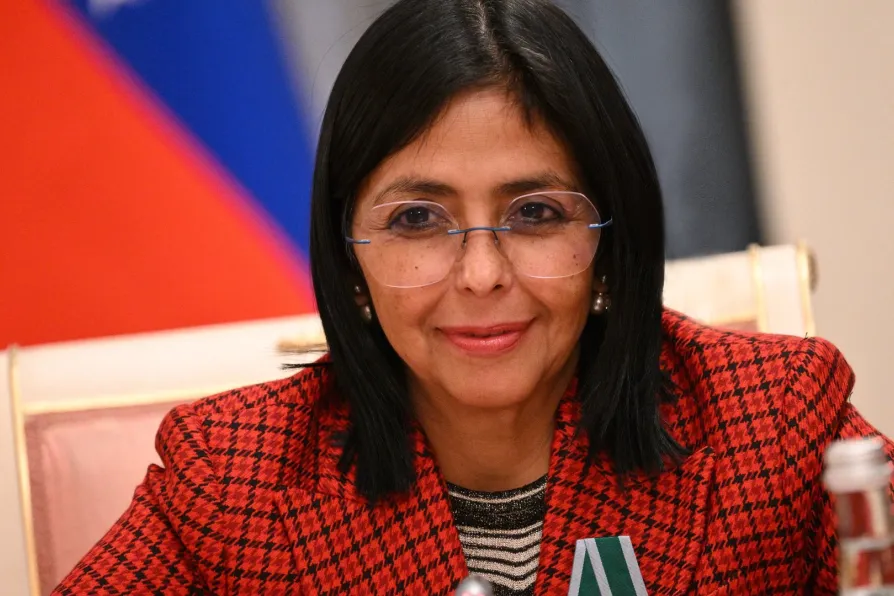
Concessions to Washington by the post-Maduro leadership in Caracas are designed to preserve the core of the Bolivarian Revolution not betray it, argue Roger D Harris, Francisco Dominguez and Mara Paez Victor. How the solidarity movement responds is critical
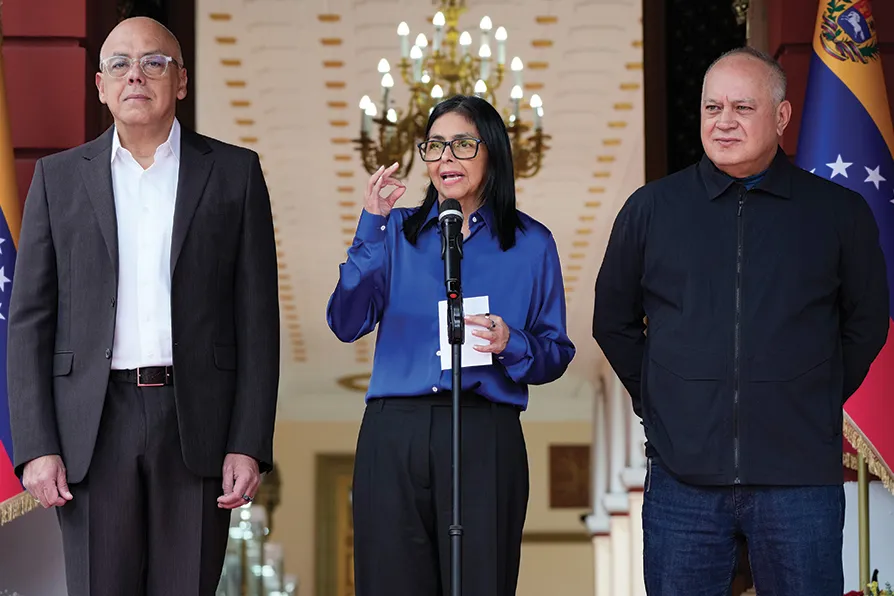
International solidarity can ensure that Trump and his machine cannot prevail without a level of political and economic cost that he will not want to pay, argues CLAUDIA WEBBE
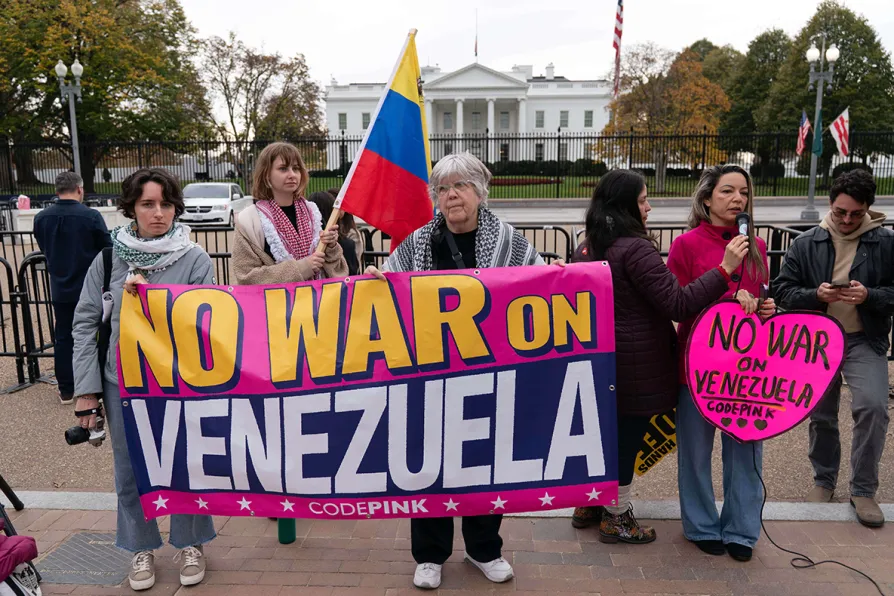
The global left must be unwavering in it is support for Venezuela as Washington increases its aggression, and clear-eyed about the West’s cynical motives for targeting it, says CLAUDIA WEBBE
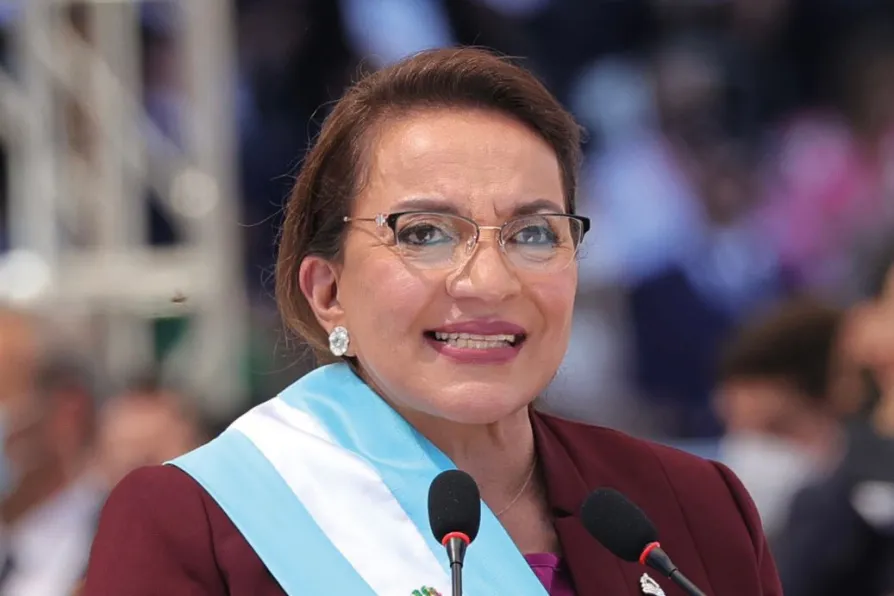
The US is desperate to stop Honduras’s process of social and democratic change, writes TIM YOUNG