Growing instability in the US economy and financial markets could have serious consequences worldwide because of the central role of the US dollar and financial system, argues MICHAEL BURKE


 Latest editorial

An urgent need for action in social care for the under-60s
With the closure of the independent living fund, disabled people are left in a precarious position by a system that compels them to become ‘employers’ of their personal assistants. RUTH HUNT reports


Despite Andy Burnham’s declaration defending the continued partition of the island, all major international and internal trends are converging to make Irish reunification inevitable
The left needs a bold energy vision – because if it fails to provide one, others will shape the future in their own interests, argues ALAN SIMPSON
From Margate to Deal, mining memories are being kept alive. National co-ordinator for General Strike 100, HENRY FOWLER continued his nationwide tour of partner organisations in the Garden of England
Humans are part of the ‘animal kingdom’ – and of nature in general – but also distinct from it and labour (work) is part of what makes us unique, declared Engels. His insights 150 years ago into how our species came to be and how we differ from the rest of nature, are as important today as they were then, says the MARX MEMORIAL LIBRARY
Boxes of books, family photos and heirlooms, labour movement anniversaries, along with nostalgic memories of glorious childhood days on the Ayrshire coast still leave room for a wistful MATT KERR to hope for a better future





AS TIME drags on before the long-awaited social care reforms are announced, a group rarely mentioned by ministers — those who are under 60 and disabled — need urgent action to address the problems in their care and support at home.
For professional care at home there are two main routes, home care directly supplied by the council, or the cost of that care given to the service user in the form of direct payments so they can purchase their own care, with or without a personal assistant.
People who have disabilities want to be as independent as possible but often they find the care they receive though direct payments isn’t flexible enough to support their needs.

Similar stories
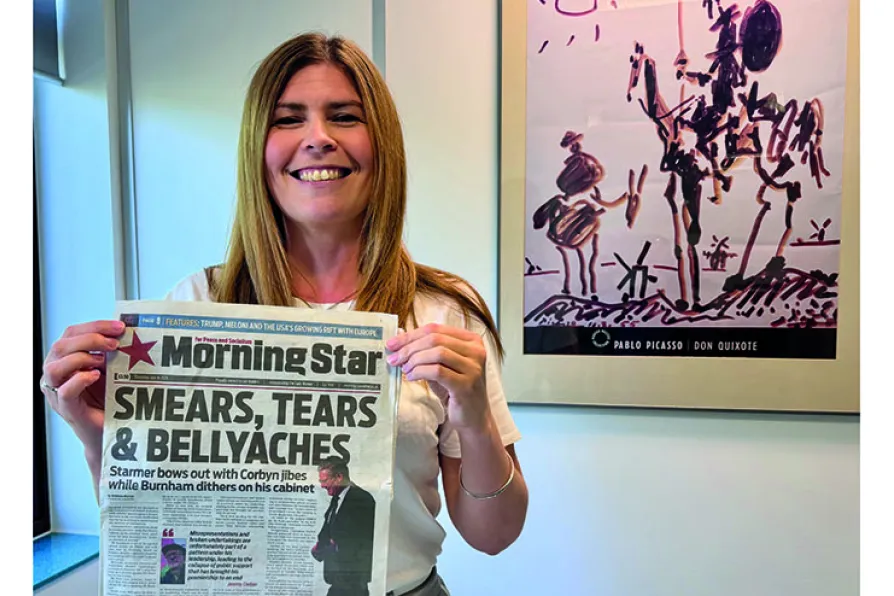
The new TUC Cymru general secretary speaks to Morning Star Wales reporter David Nicholson about her trade union background and ambitions for the movement
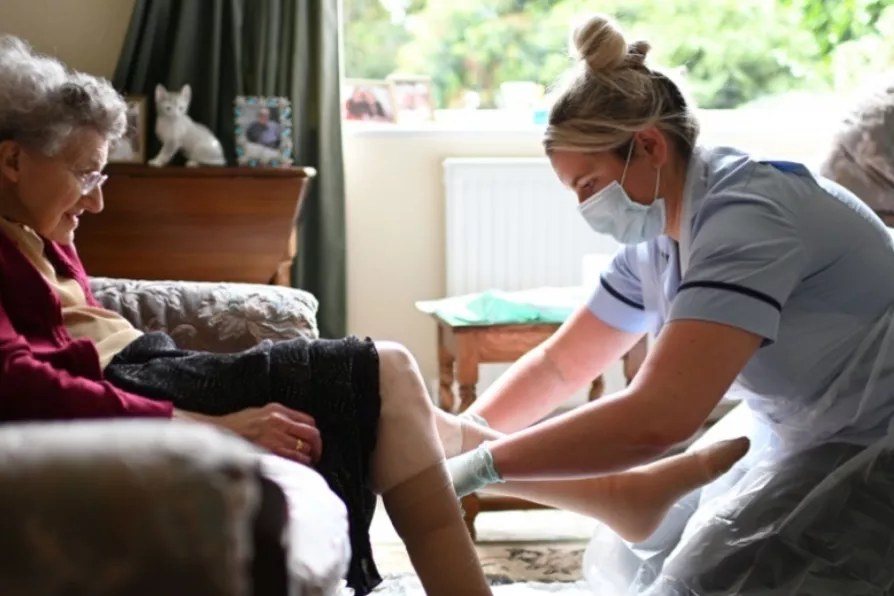
Only a publicly run, properly funded system that puts dignity before profit can end decades of market failure, says PAUL DONOVAN
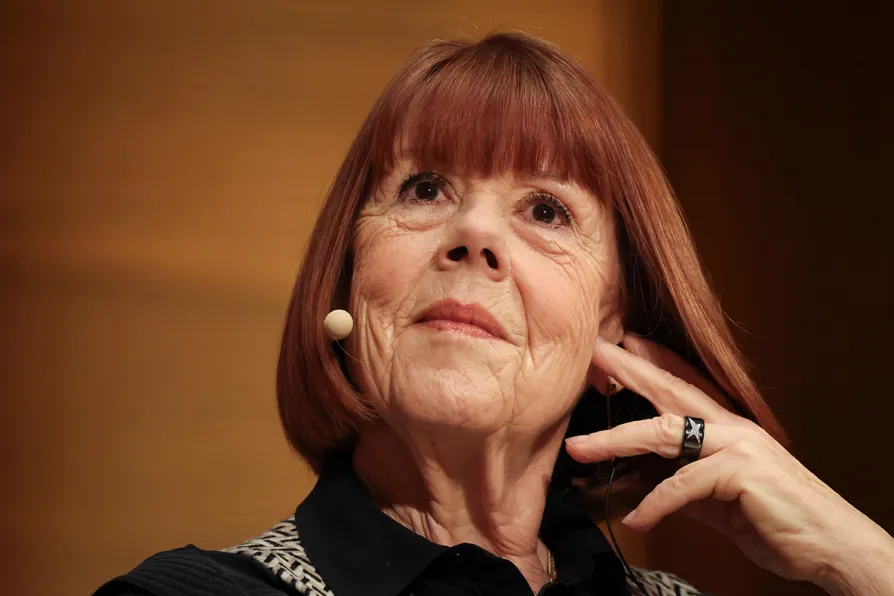
Gisele Pelicot said ‘shame must change sides.’ We may think we agree, but, argues LOUISE RAW, society still has some way to go
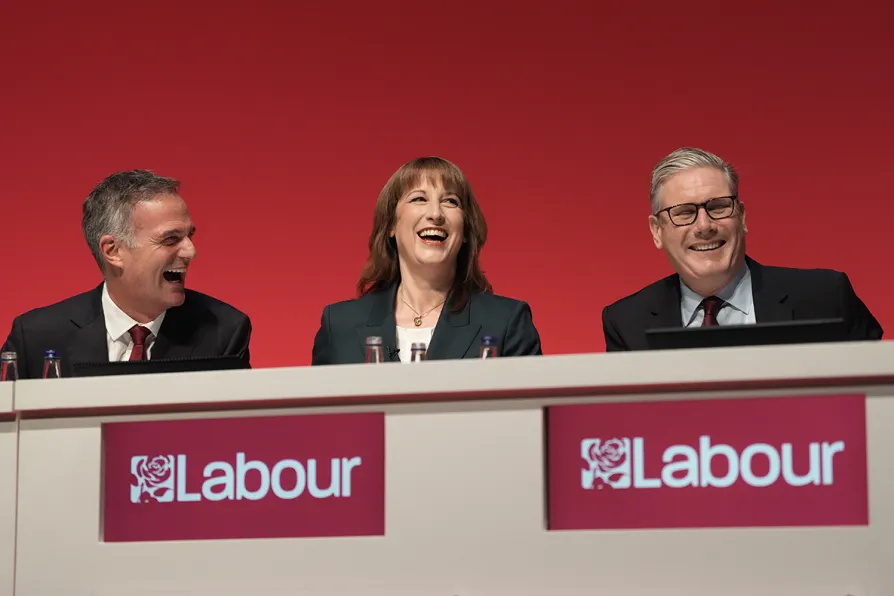
Labour will find increases in the state pension age are unacceptable, just as cuts to the Winter Fuel Allowance, personal independence payments and universal credit are — it needs to change direction immediately, writes PCS general secretary FRAN HEATHCOTE