Green Party deputy leader MOTHIN ALI, who will speak at the International Anti-War Conference in London on June 20, says Britain needs to rethink its priorities – and its allies


 Latest editorial
Oil strike spreads in Iran
Jane Green speaks to Union of Metalworkers and Mechanics of Iran (UMMI) national secretary MAYIZAR GILANI-NEJAD about the ongoing dispute and the current situation for Iranian workers
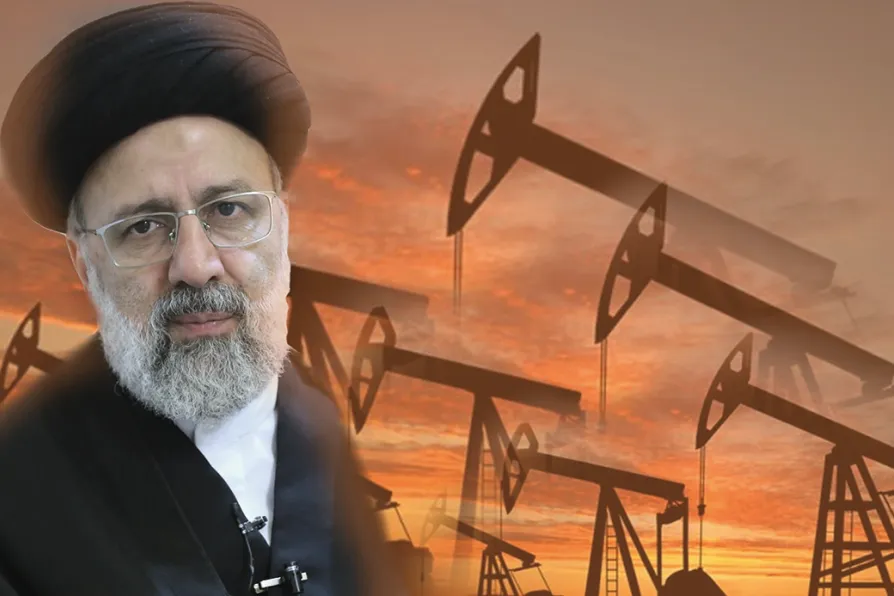 BAD NEWS: Newly elected Iranian President Ebrahim Raisi is a vocal supporter of the rights of the private sector as well as a conservative hardliner
From Global Counsel to Arden, SOLOMON HUGHES finds firms linked to discredited politicians are still calling the shots in Britain
KEVIN COURTNEY explains why Reform UK is no friend to workers or trade unions, but just another party of the super-rich
EMMA DENT COAD explains why she is stepping down from the council after 20 years and how the legacy of the fire still haunts the area
While international attention focuses on ceasefire frameworks, Israel is openly advancing plans for a permanent expansion of its control over Gaza, writes RAMZY BAROUD
Researchers PAUL HOLDEN and JESSICA MURRAY are calling for whistleblowers and documentary records to uncover how Labour Together helped build the parliamentary majority that now dominates the Labour Party





THE STRIKE by workers in the oil and petrochemical industries in Iran, which began on the June 19, has spread to numerous sites across the vast oil and gas exploration fields, as well as the oil industry in general.
According to a statement released by UMMI, 28,000 workers have downed tools and remain determined to stay out until their demands are met.
In response to being asked to outline the main goals and demands of the oil industry and contract workers in the recent strikes, national secretary Maziyar Gilani-Nejad was quite clear that the demands were within the strictures laid down in Iranian employment law, which in any case gives employers huge advantages.
“For example, the employment law states that the employer must pay a worker’s wage on a daily, weekly, or monthly basis,” says Gilani-Nejad. “Nowhere does it state that the employer can delay the worker’s wages for three months plus or suddenly disappear having made no payment.

Similar stories

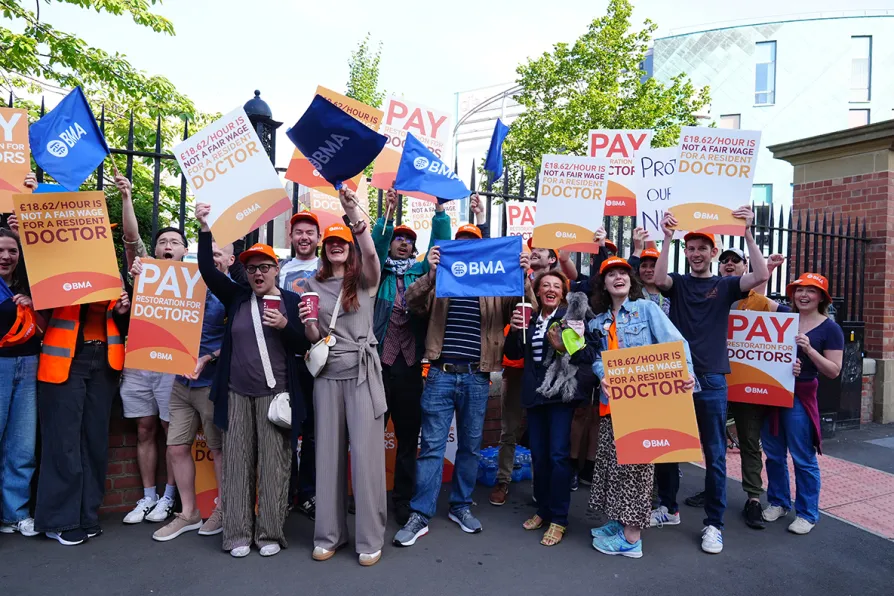
Labour’s watered-down legislation won’t protect us from unfair dismissal or ban some zero-hours contracts until 2027 — leaving millions of young people vulnerable to the populist right’s appeal, warns TUC young workers chair FRASER MCGUIRE
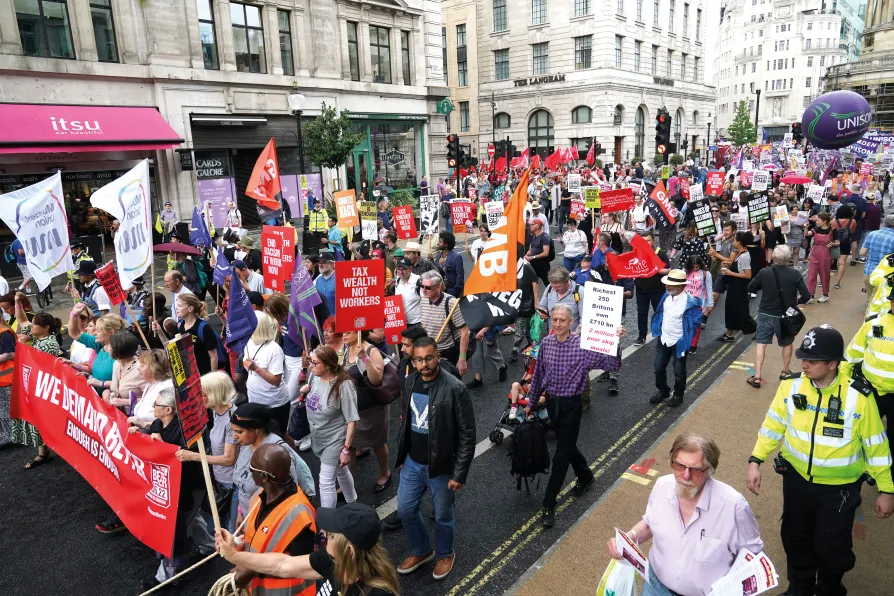
Labour must not allow unelected members of the upper house to erode a single provision of the Employment Rights Bill, argues ANDY MCDONALD MP
The Bill addresses some exploitation but leaves trade unions heavily regulated, most workers without collective bargaining coverage, and fails to tackle the balance of power that enables constant mutation of bad practice, write KEITH EWING and LORD JOHN HENDY KC