EWAN CAMERON picks out two fascinating music shows, fusing the Korean, and the Celtic, with the modern



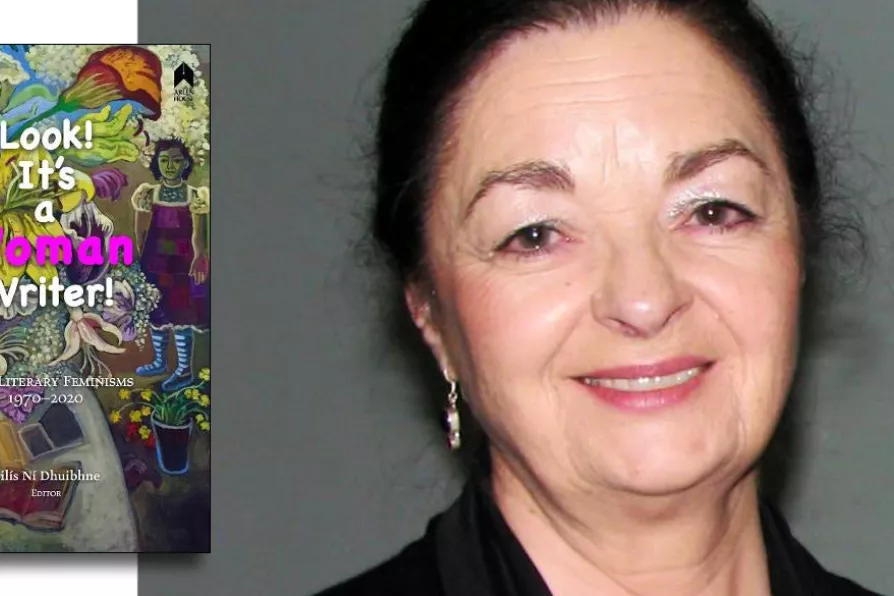
Look! It’s a Woman Writer: Irish Literary Feminisms, 1970-2020
Challenges to ongoing gender bias in Irish literary mainstream
 DEFYING EXPECTATIONS: Celia de Freine
BENJAMIN POTHIER suggests that Palaeolithic cave paintings in Spain point to the ceremonial use of hallucinogenic flora
The bard confirms that the right has a humour bypass, and replays the English Revolution on period instruments
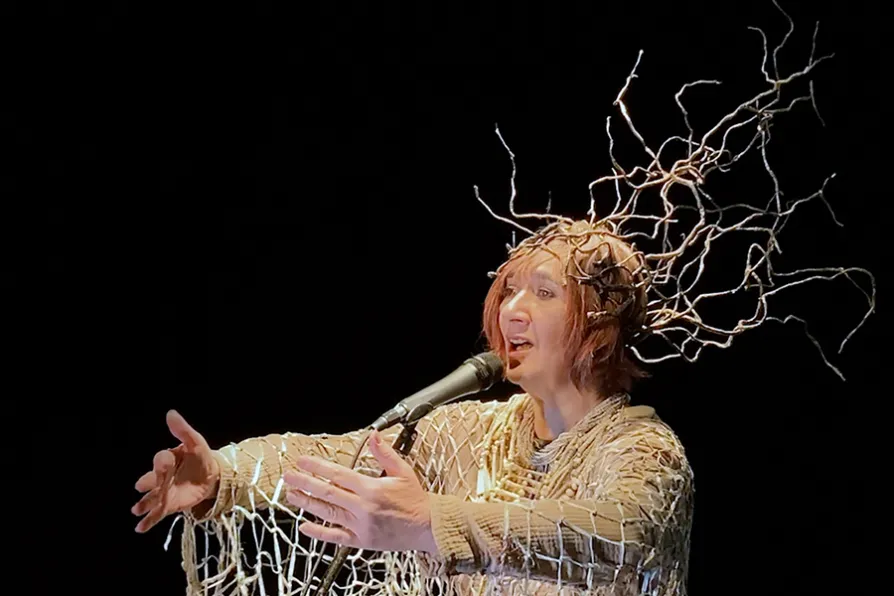
MARIA DUARTE and ANDY HEDGECOCK review Sunny Dancer, Tony, Songs of Forgotten Trees, and The End of Oak Street
JOHN GREEN relishes a powerful and moving drama that explores the lived realities of west London’s Punjabi community
MARTIN HALL welcomes a plea for greater compassion between believer and non-believer via the framework of philosophical enquiry





“AND PERHAPS, before literature dies, there will come a day when no-one notices an author’s gender or race but says only ‘I have just read an astonishing, unforgettable book by a fantastic human writer.’ I plan to live to see this.”
So writes Mary Dorcey in this collection of writings which reaches beyond the current experiences described to a future where such full equality of gender, race and class is achieved that they no longer spell marginalisation and exclusion from the cultural mainstream.
The 21 poets, fiction writers and playwrights in the book tell how they became the writers they are. Coming from the whole island of Ireland, they write in both Irish and English and are from a range of social backgrounds.

Similar stories

FIONA O’CONNOR questions the achievement of this year’s Orwell prize winner for political fiction
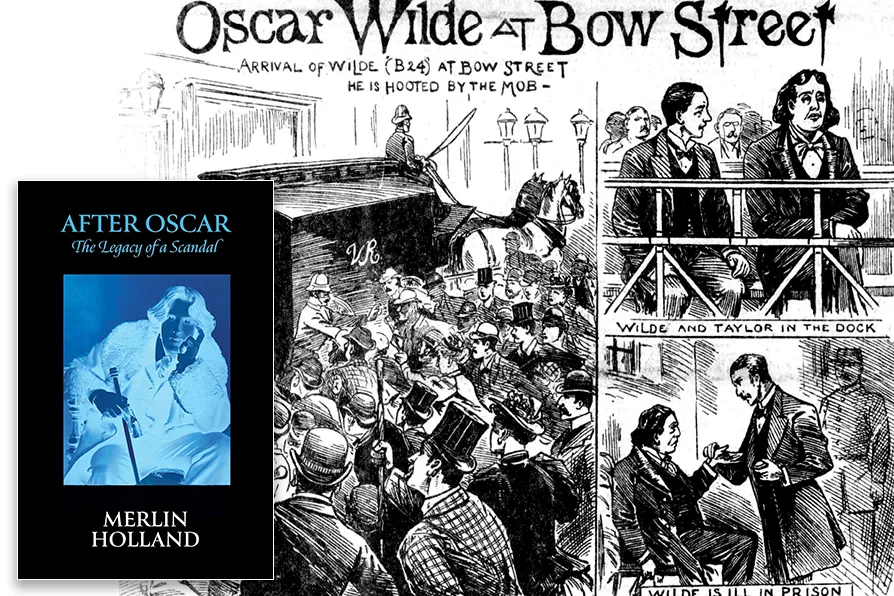
MARJORIE MAYO welcomes an account of family life after Oscar Wilde, a cathartic exercise, written by his grandson

As Saudi Arabia is hailed abroad for its ‘reforms,’ the reality for women inside the kingdom grows ever more repressive. On the International Day for the Elimination of Violence Against Women, MARYAM ALDOSSARI argues it is time to stop applauding the illusion – and start listening to the women the state works hardest to silence
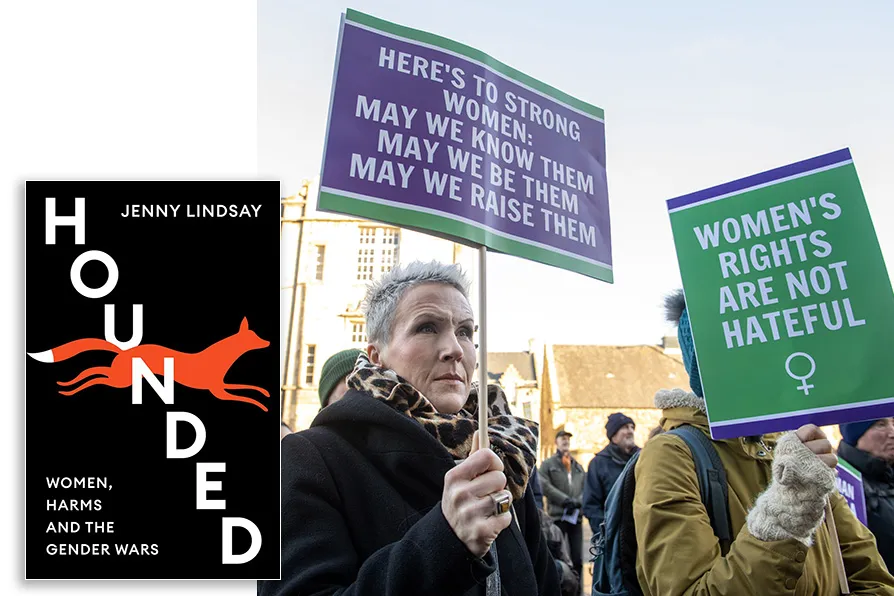
WILL PODMORE welcomes the case put by a feminist, disentangling the abusive rhetoric of the trans rights debate