
After months of uncertainty over printing and distribution, the first Scottish-printed edition of the Morning Star is soon to roll off the presses


Assange: the most important press freedom case of the 21st century
Punishment by process is the US policy on Julian Assange, just as the failure he predicted in Afghanistan comes true, writes JOHN REES

 Assange is now in his third year of detention in Belmarsh High Security prison. He has not been convicted of anything. His case has not yet staggered from the Magistrate’s Court, the lowest court in the land, to the Appeal Court. It has never and will never appear before a jury.

Some thinkers and authors on the right are openly discussing the possibility that the historically successful party of the British ruling class may be exhausted
Class struggle is the motor of history but the direction and detail of change at any time and place is the outcome of many factors, suggests the Marx Memorial Library and Workers’ School
Merseyside’s proud tradition of internationalism is being kept alive through events organised by trade unionists and allies in the region, writes ROBERT MACDONALD
JOHNNIE HUNTER reports from the German Communist Party’s (DKP) weekly Unsere Zeit (Our Newspaper)-organised Peace Days festival in Berlin last weekend
Les Preger was one of Manchester’s first volunteers to volunteer in support of republican Spain, writes his daughter JANEY PREGER
TONY BURKE surveys the shifting political landscape and the challenges Labour needs to address if it is to prevail in the 2028 federal elections





IN THE mirror-world which is the Julian Assange case, justice is neither transparent nor impartial. And it is certainly not swift.
Assange is now in his third year of detention in Belmarsh High Security prison. He has not been convicted of anything. His case has not yet staggered from the Magistrate’s Court, the lowest court in the land, to the Appeal Court. It has never and will never appear before a jury.
Last week two High Court judges, in a hearing about what will be allowed to be appealed by the United States government when the full appeal is heard on October 27-28 , decided that the previous High Court judge and the magistrate in the Magistrate’s Court were wrong to rule that the US could not raise, once again, questions about Assange’s mental condition and assurances that the US prison system is really a health spa in which Assange will be under no risk of suicide.

Similar stories

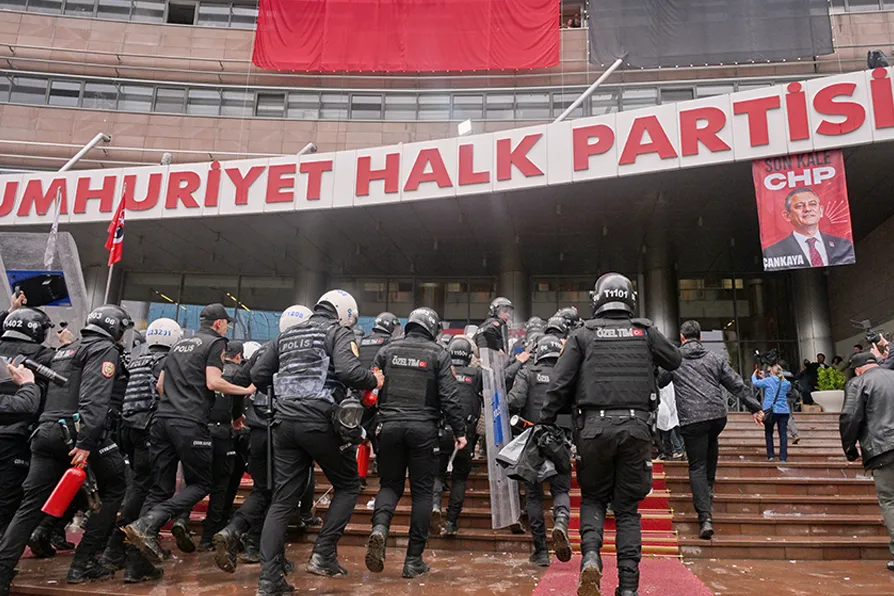
CLAUDIA WEBBE looks at how Britain’s Nato ally has upped the stakes in its effort to silence domestic dissenting voices

Former judge ANSELM ELDERGILL examines the details and controversy of Lucy Letby’s trial and appeal in the context of famous historical wrongful convictions that prove both the justice system and legal activists make errors