Preferable to Starmer he may be, but there is scant sign of a sharp political break in Burnham’s policies so far — while left challenges aren’t making much of a running either, finds ANDREW MURRAY. How can socialism be put back on the map?


 Latest editorial

Gypsies, Roma and other travellers are at risk from Covid too
PETER FROST finds travellers are even more at risk from the coronavirus than the rest of us — but not enough is being done to monitor and address the impact of Covid on their communities
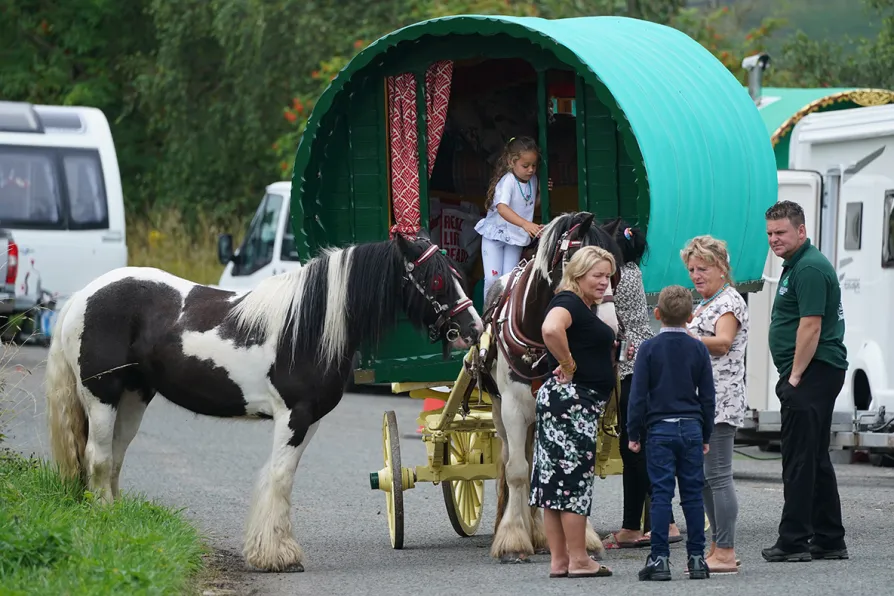 MISUNDERSTOOD: Travellers in Brough, Cumbria, make their way to Appleby, for the annual Horse Fair. Picture date: Wednesday August 11 2021

CHARLEY ALLAN reports from Clacton on Farage’s fears his by-election stunt has backfired
JEREMY CORBYN says we should never forget the horrific reality of nuclear weapons, or cease our efforts to rid the planet of them entirely
The new TUC Cymru general secretary speaks to Morning Star Wales reporter David Nicholson about her trade union background and ambitions for the movement
Internationalism is deeply embedded in socialist theory and practice. Examination illuminates its complexity asserts the Marx Memorial Library and Workers’ School
The Claudia Sheinbaum government is no pushover and is holding firm despite US abuses of the relationship, says DAVID RABY
As we approach the grim anniversaries of Hiroshima and Nagasaki, SIMON BARROW sounds the alarm over the dangerous and murderous direction our government is heading





TWENTY odd years ago, for about two decades I was the editor of the world’s largest circulation camping and caravanning magazine. One of the key issues of the time was the fact that more and more of what had been holiday static caravans were being used as low-cost permanent housing.
My wife Ann and I had a small canal boat at the time and our favourite weekend away was a trip along the Grand Union Canal from our home near Watford to Camden Market in London. On every trip we saw more and more permanently moored boats again being used as floating low-cost housing.
More recently I have watched as more and more people are using towed caravans, motorhomes and campers, not just as they used to, for holidays, but as permanent — if movable — places to live.

Similar stories
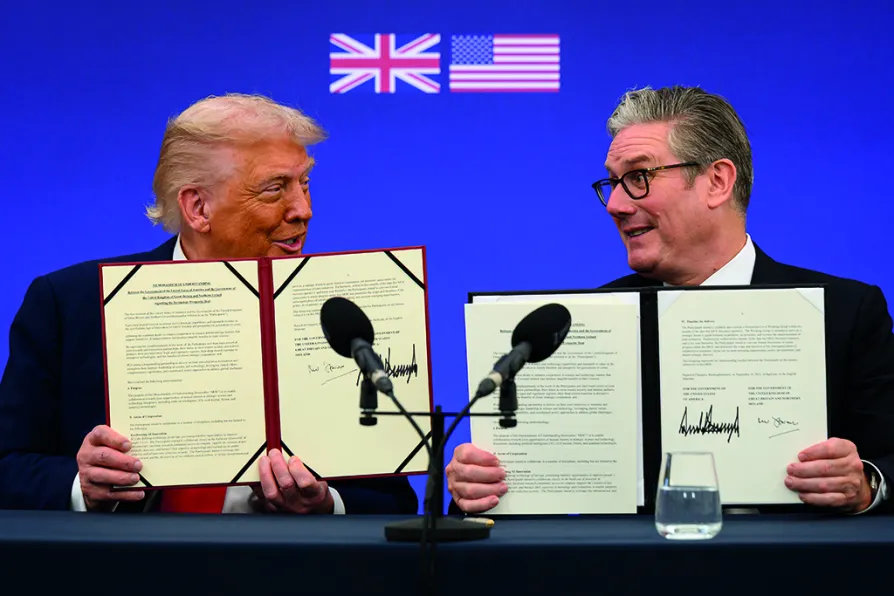
CLAUDIA WEBBE says the horrific price British patients will pay for this NHS deal is now clear — and there’s time to get out of it, if MPs will only force the issue
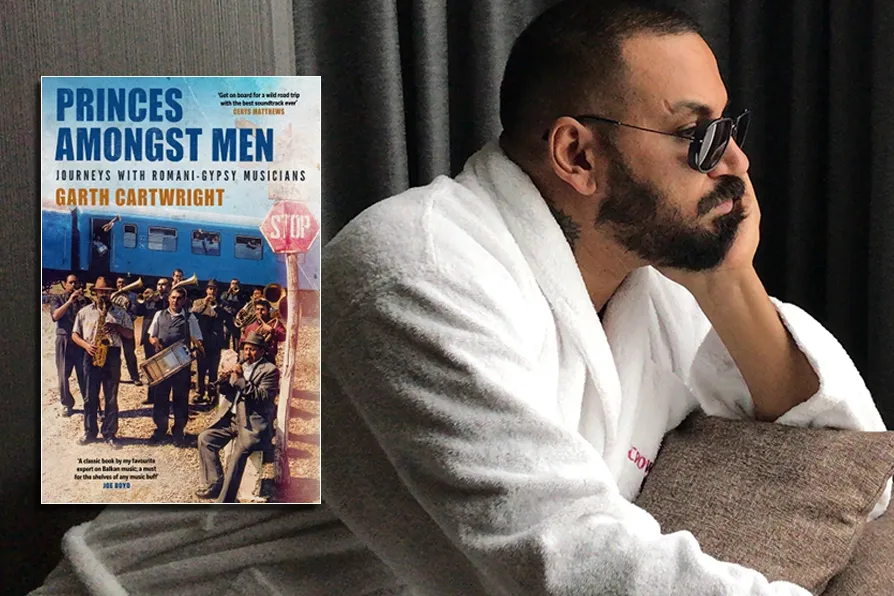
TONY BURKE talks to Garth Cartwright author of Princes Amongst Men — Journeys With Romani Gypsy Musicians
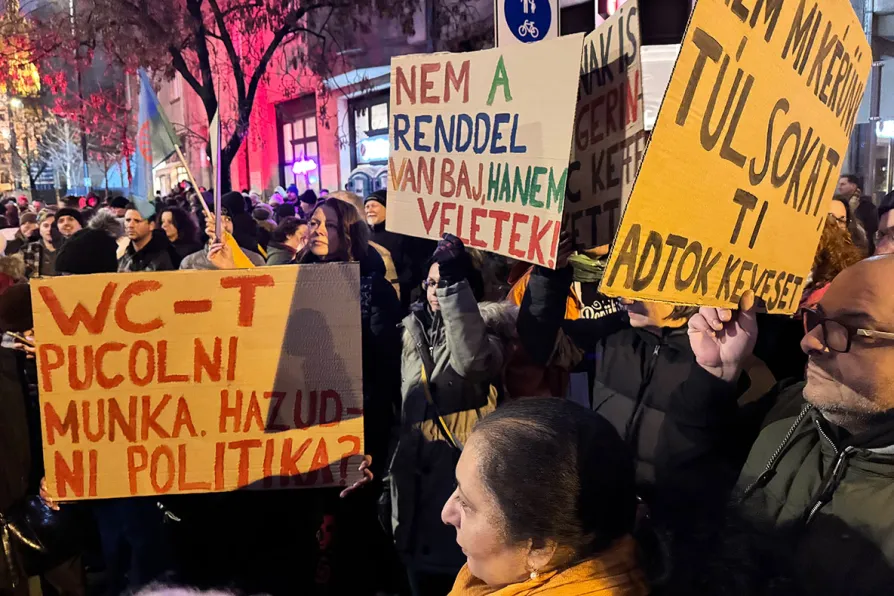
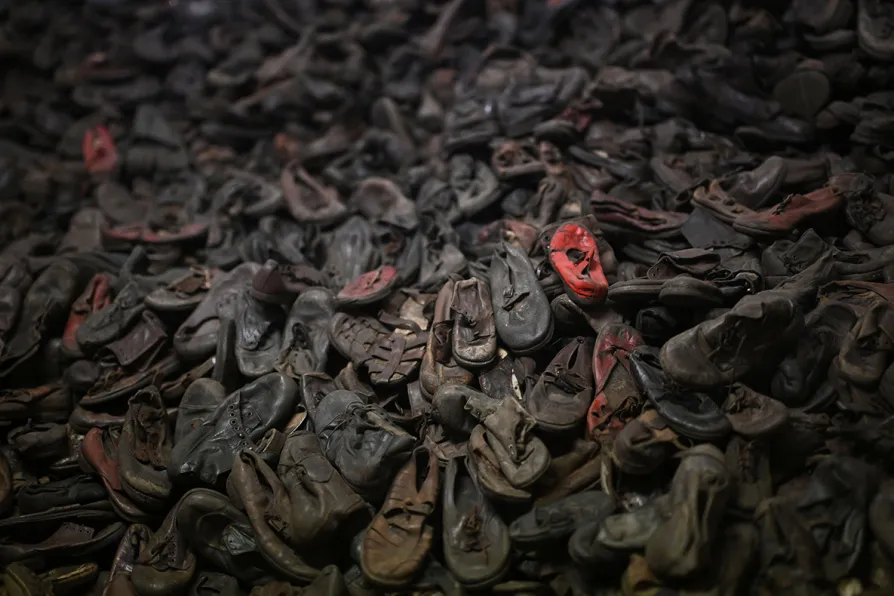
On May 16 1944, Romani families in Auschwitz-Birkenau armed themselves with stones, tools, and sheer collective will, forcing the SS to retreat – leaving a legacy of defiance that speaks directly to the fascisms of today, says VICTORIA HOLMES