Preferable to Starmer he may be, but there is scant sign of a sharp political break in Burnham’s policies so far — while left challenges aren’t making much of a running either, finds ANDREW MURRAY. How can socialism be put back on the map?


 Latest editorial

The countryside in 2021
Some good news and some bad news from the countryside. PETER FROST weighs up the last 12 months
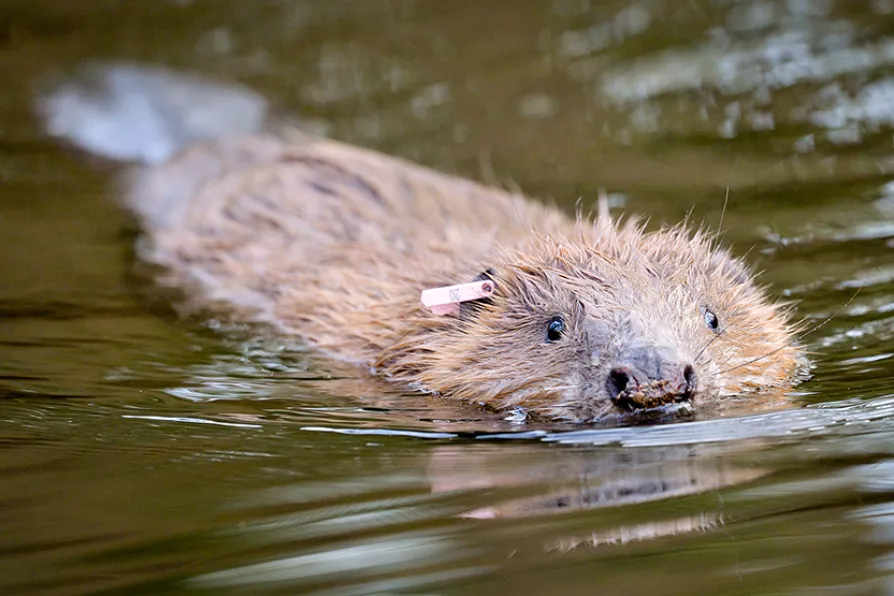 Beavers are one of the animals that had a good 2021

CHARLEY ALLAN reports from Clacton on Farage’s fears his by-election stunt has backfired
JEREMY CORBYN says we should never forget the horrific reality of nuclear weapons, or cease our efforts to rid the planet of them entirely
The new TUC Cymru general secretary speaks to Morning Star Wales reporter David Nicholson about her trade union background and ambitions for the movement
Internationalism is deeply embedded in socialist theory and practice. Examination illuminates its complexity asserts the Marx Memorial Library and Workers’ School
The Claudia Sheinbaum government is no pushover and is holding firm despite US abuses of the relationship, says DAVID RABY
As we approach the grim anniversaries of Hiroshima and Nagasaki, SIMON BARROW sounds the alarm over the dangerous and murderous direction our government is heading





FOR ALL of us the virus that the World Health Organisation officially names in the International Classification of Diseases (ICD) as “Severe acute respiratory syndrome coronavirus 2 (SARS-CoV-2)” has dominated the way we live.
Meanwhile the natural world around us has carried on with its own complicated life patterns, with a mix of good news stories and some disasters. I’ve mentioned many of them in my weekly Ramblings.
There is no doubt that our climate catastrophe has delivered challenges just as serious for the natural world as Covid is for us humans.

Similar stories
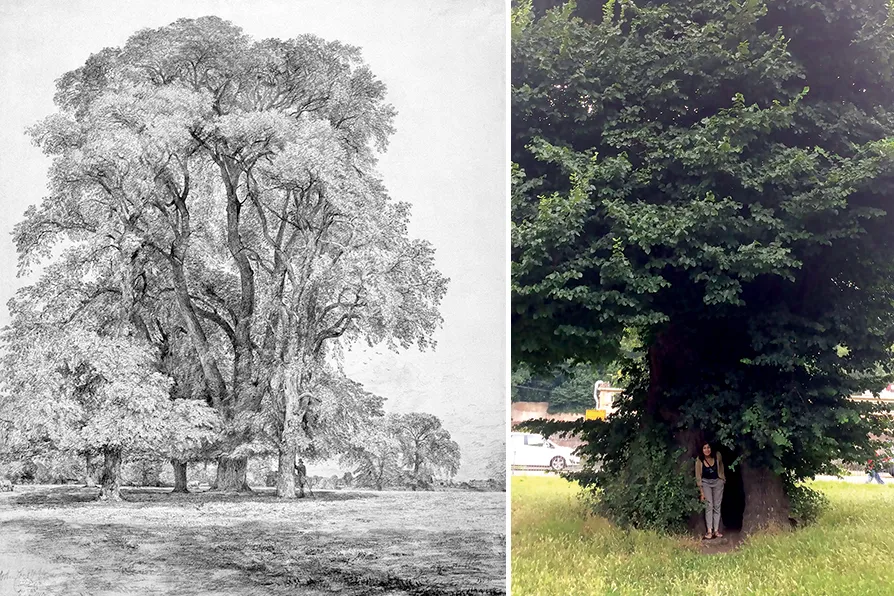
Millions of elms were wiped out by Dutch elm disease in the 20th century, transforming the landscape forever – yet pockets of hope are keeping this beloved tree alive. MARK SEDDON explains
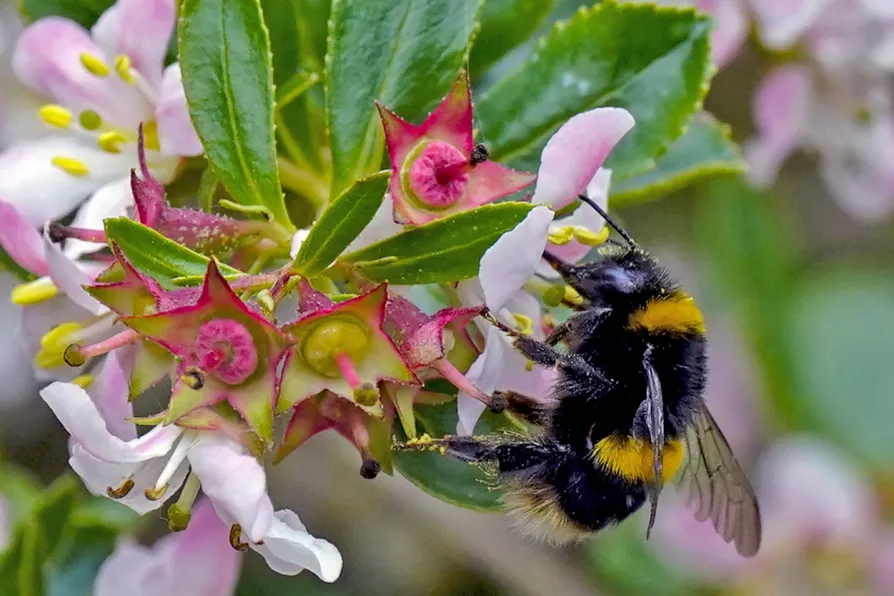
Rising temperatures and human activity are making life far harder for these vital pollinators. ALEX DITTRICH explains
One of the major criticisms of China’s breakneck development in recent decades has been the impact on nature — returning after 15 years away, BEN CHACKO assessed whether the government’s recent turn to environmentalism has yielded results