Preferable to Starmer he may be, but there is scant sign of a sharp political break in Burnham’s policies so far — while left challenges aren’t making much of a running either, finds ANDREW MURRAY. How can socialism be put back on the map?


 Latest editorial

A netful of silver darlings from Frosty
In more misogynistic times it was said ‘give a man a fish and he’ll eat for a day. Teach him to fish and he’ll eat for life’ — PETER FROST proposes a new version: teach a family to fish and they will eat well. At least until pollution, plastic debris, global warming, floods, droughts and overfishing end it all
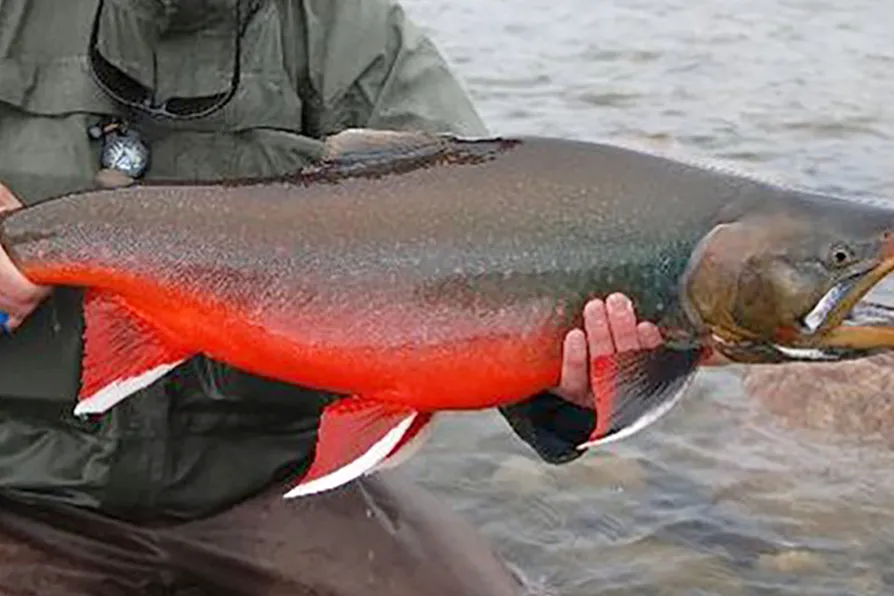 Salvelinus alpinus, better known as the Arctic char
[Nils Rinaldi/CC]
Salvelinus alpinus, better known as the Arctic char
[Nils Rinaldi/CC]


CHARLEY ALLAN reports from Clacton on Farage’s fears his by-election stunt has backfired
JEREMY CORBYN says we should never forget the horrific reality of nuclear weapons, or cease our efforts to rid the planet of them entirely
The new TUC Cymru general secretary speaks to Morning Star Wales reporter David Nicholson about her trade union background and ambitions for the movement
Internationalism is deeply embedded in socialist theory and practice. Examination illuminates its complexity asserts the Marx Memorial Library and Workers’ School
The Claudia Sheinbaum government is no pushover and is holding firm despite US abuses of the relationship, says DAVID RABY
As we approach the grim anniversaries of Hiroshima and Nagasaki, SIMON BARROW sounds the alarm over the dangerous and murderous direction our government is heading





LET’S start with some good news. I have written many times about the demise of our native white-clawed chalk stream crayfish (Austropotamobius pallipes). These had been forced out of their habitat by American Red Signal crayfish (Pacifastacus leniusculus). These invaders had escaped from commercial crayfish farms.
Worse, these unwelcome US critters also carried a fatal crayfish pox that killed our natives but to which they were immune.
Recent surveys and river counts however, have shown that populations of native white-claws are doing much better, whereas the numbers of non-native crayfish are falling fast.

Similar stories
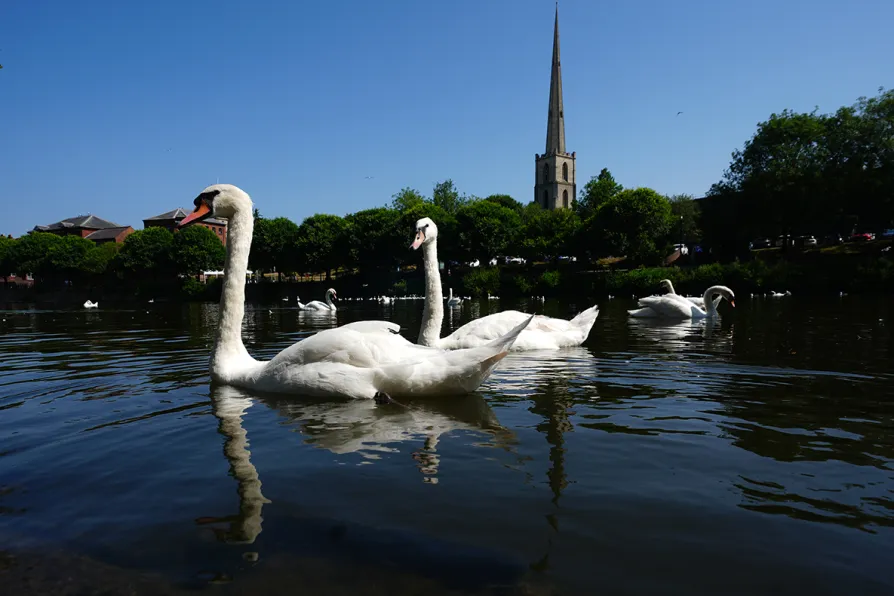
Capitalism has exploited — and polluted — our natural resources for too long, it’s time we treated our rivers as living beings, writes MIRIUM GAUNTLETT, LIAM SHAW and ROX MIDDLETON
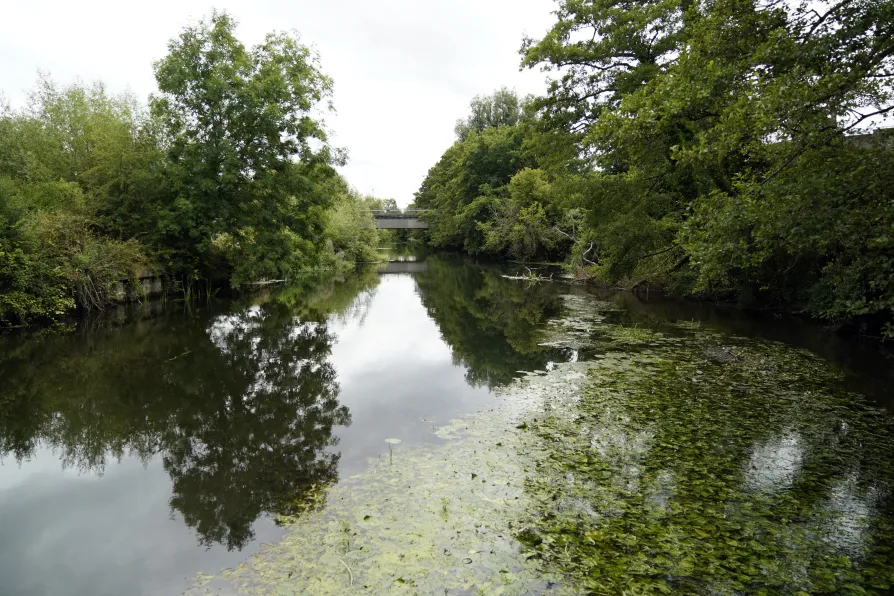
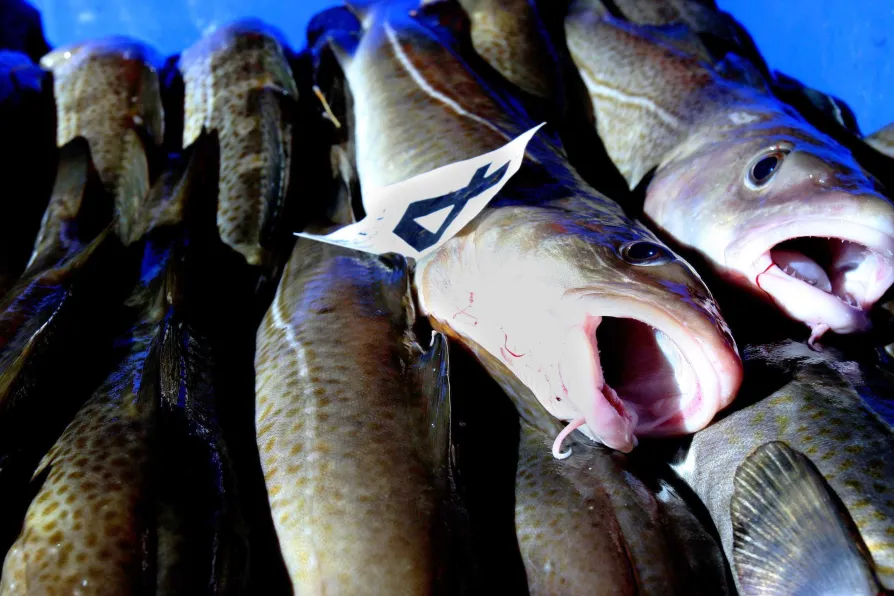
One of the major criticisms of China’s breakneck development in recent decades has been the impact on nature — returning after 15 years away, BEN CHACKO assessed whether the government’s recent turn to environmentalism has yielded results