
ROB WARZYNIAK wades knee deep through a pile of ‘dead canaries’ of Trumpist policies which exacerbated the horrors of US capitalism domestically


They are coming for us – we’d better have a plan
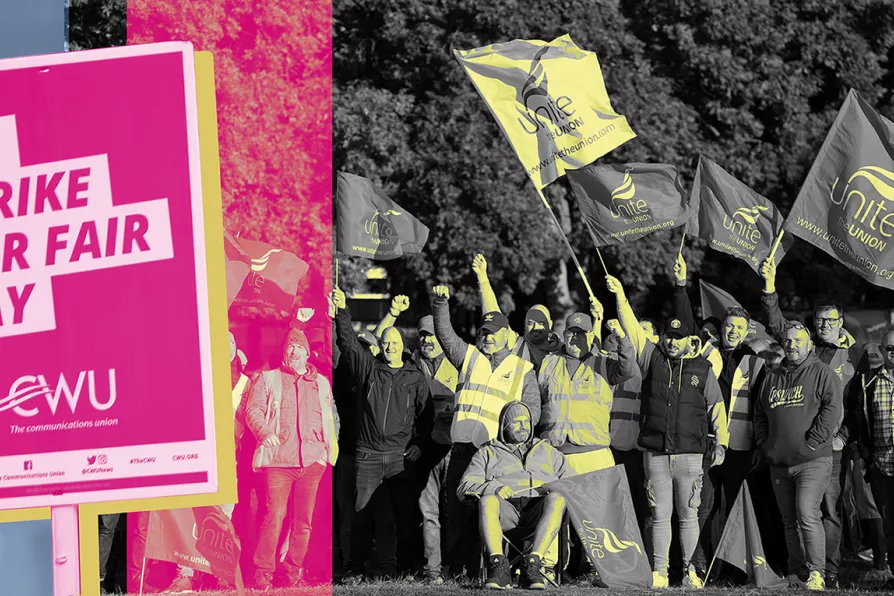
As living standards tumble, we mustn’t be fooled into thinking this is the natural order of things. By getting together we can fight back, writes BEN SELLERS


Without evidence or Nato consultations Berlin’s answer to the Leipzig incident is a rupture of relations. SEVIM DAGDELEN examines why
FRANCISCO DOMINGUEZ introduces the background to a conference on defending Latin America’s sovereignty
The glacier collapse in Nepal is yet another warning that a warming planet is making Himalayan disasters more frequent and destructive – but the countries facing the greatest risks are often those least responsible, says LI YANG
Nick Blair is set to benefit from a hugely lucrative contract to ‘virtually’ train the British army for its next war. Like father, like son, writes SOLOMON HUGHES
Even when tragedy strikes, Western media cannot resist the opportunity to turn it into a sordid propaganda opportunity, as the Nepal-China border tragedy shows, writes CARLOS MARTINEZ
Trade unions should be at the heart of the anti-racist push for reparations for the historic legacy and continuing impact of slavery, writes ROGER McKENZIE





THESE are extraordinary times. As the Tory government teeters from one crisis to another, and the markets tumble, the trade unions are on the move.
It feels like we are on the brink of a major struggle between the labour movement and those in power, but for many, it is simply a battle for survival.
The last six months have seen an intensification of industrial militancy across a number of sectors, notably on the railways and London Underground, among postal and telecom workers as well as dockers in Liverpool and Felixstowe. Without doubt, the unions are rediscovering their strength.

Similar stories
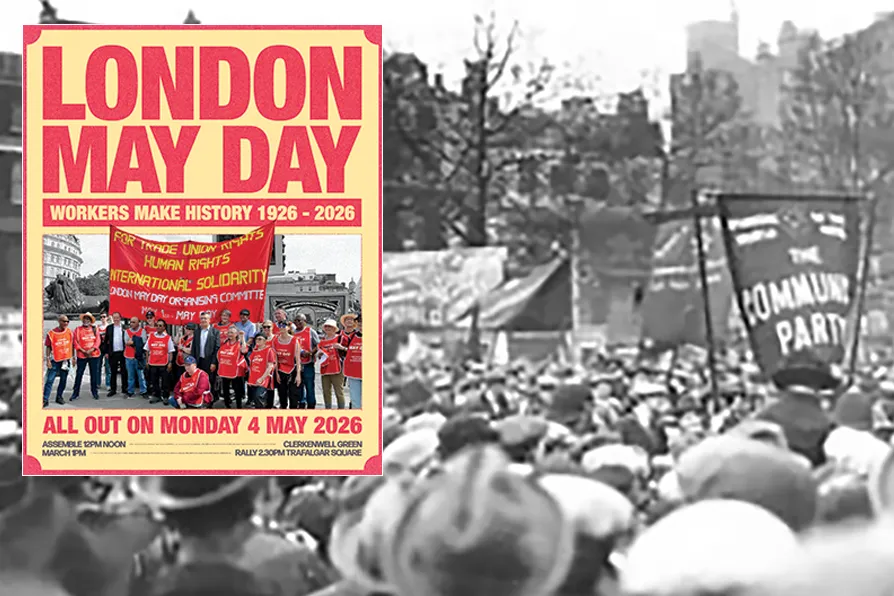
One hundred years after 1.7m workers shut the country down in defence of the miners, the struggles that sparked the 1926 General Strike are still with us – and will be honoured on London’s May Day march this year, writes MARY ADOSSIDES
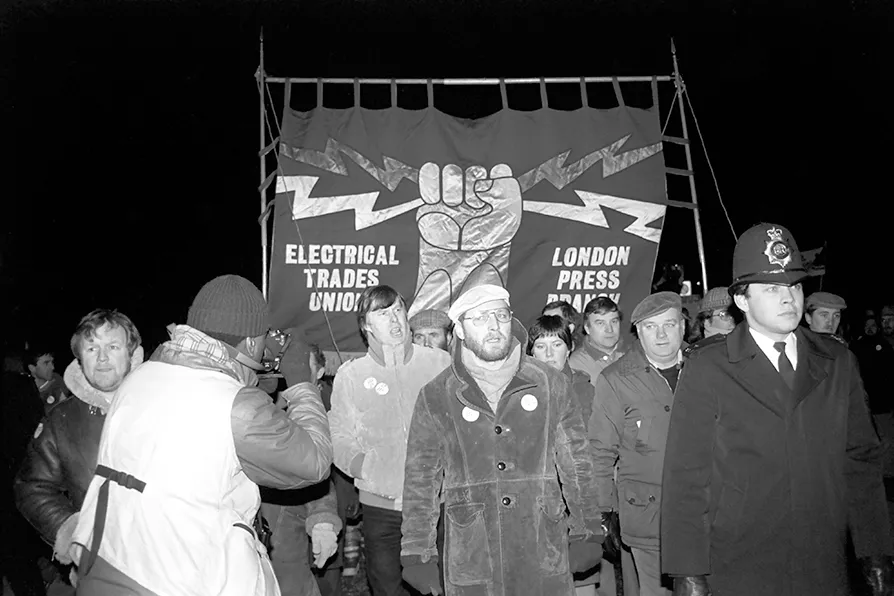
A past confrontation permanently shaped the methods the state will use to protect employers against any claims by their employees, writes MATT WRACK, but unions are readying to face the challenge

Trade unionists must raise our voices not only for justice and against occupation, but also to protect our fundamental right to protest, writes LOUISE REGAN, ahead of a not-to-be-missed PSC conference

Labour’s watered-down legislation won’t protect us from unfair dismissal or ban some zero-hours contracts until 2027 — leaving millions of young people vulnerable to the populist right’s appeal, warns TUC young workers chair FRASER MCGUIRE