Committee for the Defence of the Iranian People’s Rights general secretary GAWAIN LITTLE discusses the impact of the US-Israeli war on the Iranian people and economy


 Latest editorial

Proportional representation, power and class
Unsurprisingly, Keir Starmer has rejected reforming the first-past-the-post system out of hand. It is time to give up our lingering prejudices and recognise a step that would aid the left inside and outside of Labour, argues NICK WRIGHT
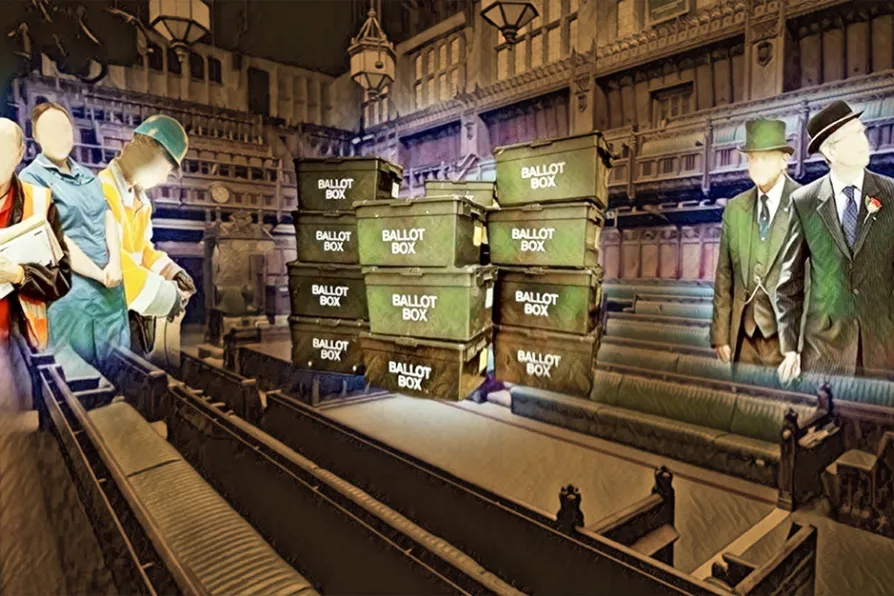

Capitalism has extracted itself from crisis before, argues PRABHAT PATNAIK – but through methods no longer available. So it is turning to authoritarianism, militarism and neocolonialism
The five young men killed in the A66 crash were responsible for a devastating tragedy — but the crash should force us to ask difficult questions about wider society, argues RENATA MEDEIROS MIRRA
Britain funds the policing of black culture 16 times better than the culture itself. The Diamond Jubilee is the moment to end that, argues CLAUDIA WEBBE
Despite Andy Burnham’s declaration defending the continued partition of the island, all major international and internal trends are converging to make Irish reunification inevitable
Humans are part of the ‘animal kingdom’ – and of nature in general – but also distinct from it and labour (work) is part of what makes us unique, declared Engels. His insights 150 years ago into how our species came to be and how we differ from the rest of nature, are as important today as they were then, says the MARX MEMORIAL LIBRARY





LAST week, opinion polls suggested that Labour would win 48 per cent of the vote and finish with 424 seats in the Commons in a general election. The Tories, on 21 per cent, would get 121 seats; the Lib Dems, on 10 per cent, 33 seats; the SNP, on 5 per cent, 49 seats and the Greens, on 7 per cent, just one seat.
This is even higher than the 40 per cent actually won in 2017 with Jeremy Corbyn’s radical manifesto.
Labour’s lead is the result when, in a first-past-the-post (FPTP) election regime, the Tories have become terminally unpopular. On this score, under proportional representation (PR), Labour should have 100 fewer seats; the Tories a handful more; the Lib Dems more than double and the Greens 44 new seats.

Similar stories
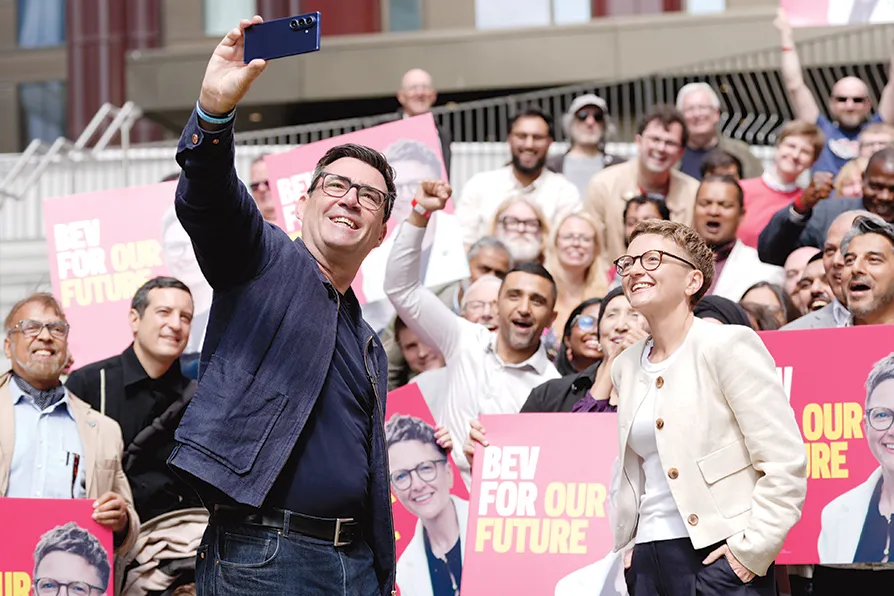
Preferable to Starmer he may be, but there is scant sign of a sharp political break in Burnham’s policies so far — while left challenges aren’t making much of a running either, finds ANDREW MURRAY. How can socialism be put back on the map?
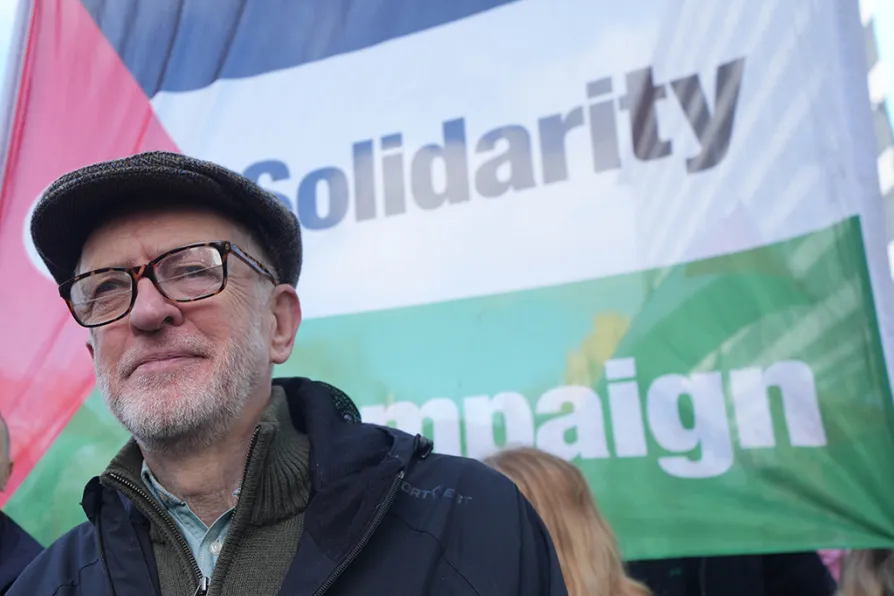
In a wide-ranging interview, JEREMY CORBYN talks to Ben Chacko about the difficulties the new Prime Minister faces and why he sees no future in Labour
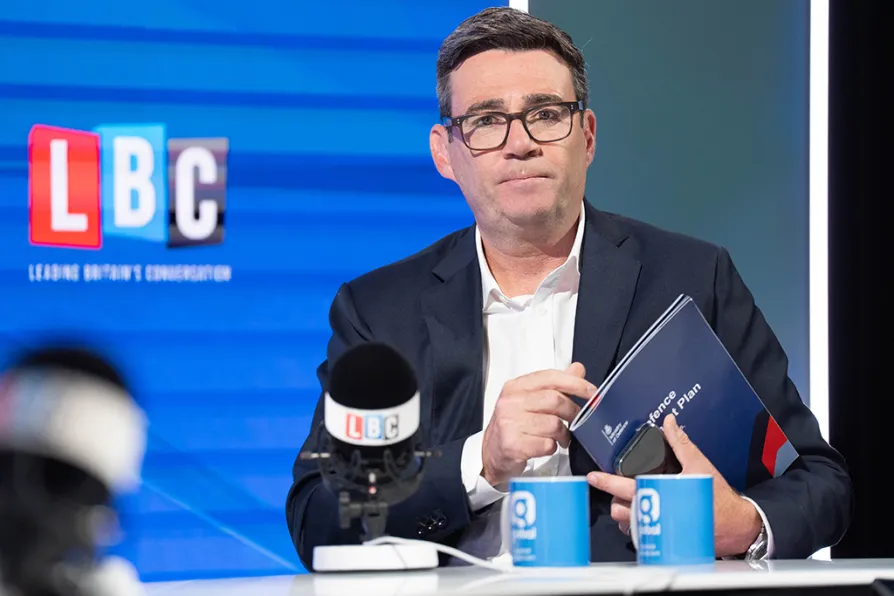
JOHN McINALLY sees little chance of change at Westminster, and calls on the left to get serious about building a real alternative
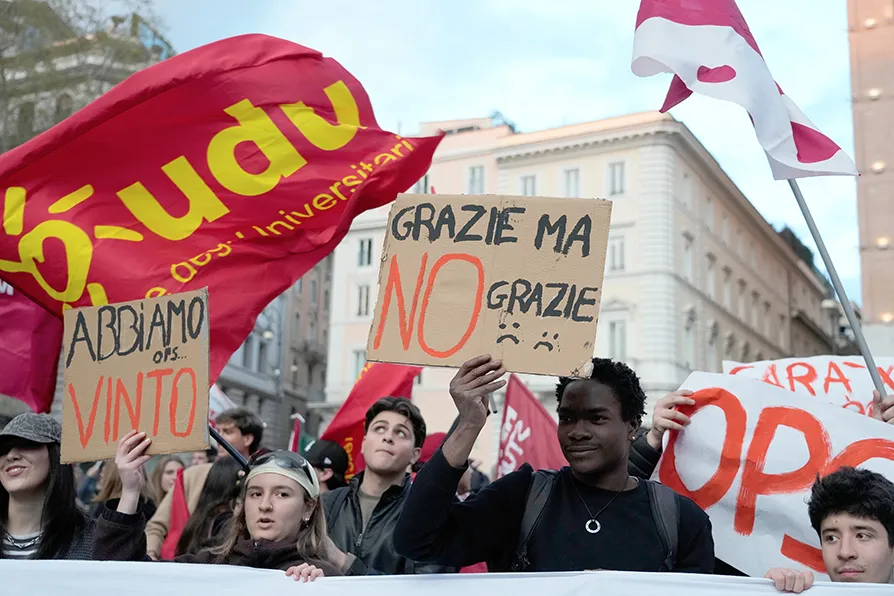
Italians reject controversial judiciary reforms in a referendum that boosts the left, reports NICK WRIGHT