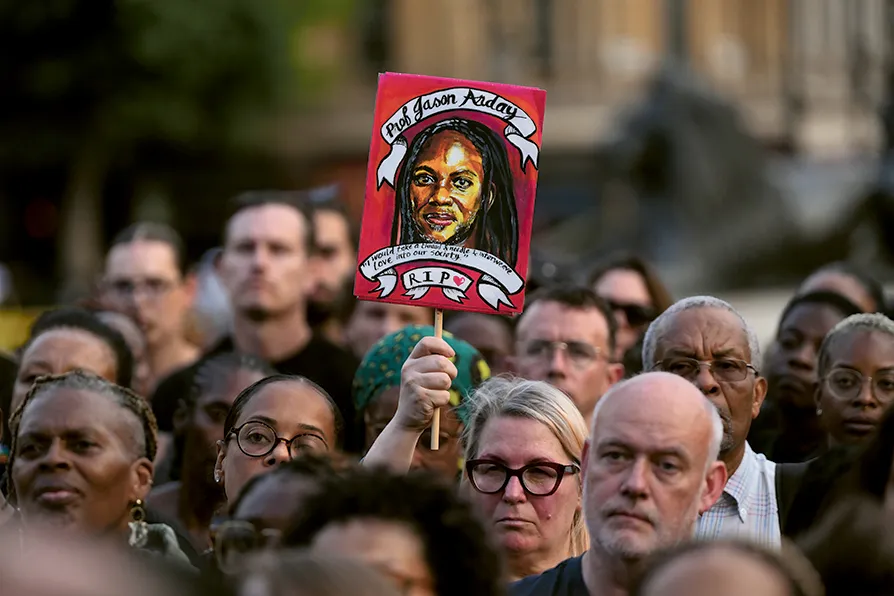
The attacks on black academics are well-funded and relentless, writes DIANE ABBOTT, and they need to be fearlessly resisted by all concerned



How will China build a ‘modern socialist state by 2049?’
Since the 20th CPC Congress, 'socialist modernisation with Chinese characteristics' is the goal — meaning the West now has few lessons to teach. In the third and final part of the series, JENNY CLEGG looks at how China will increasingly carve its own path

 Chinese astronauts Fei Junlong, Deng Qingming and Zhang Lu wave as they attend a send-off ceremony ahead of the Shenzhou-15 manned space mission at the Jiuquan Satellite Launch Center in northwest China on Tuesday, November 29, 2022
Extreme hot weather resulting from environmental change needs to be tackled through greater firefighting investment instead of fewer jobs and less resources, writes COLIN BROWN
There are many intricate details about the new Saudi, Turkish and Pakistani alliance we do not yet know, suggests ROGER McKENZIE, but its impact could be considerable
Holyrood incompetence has cost jobs and put the future of Clydeside’s Ferguson Marine shipyard into jeopardy. Its future should have been assured, argues KENNY MACASKILL
Hot and dry conditions are threatening British species unequipped for drought, explains PAUL ASHTON
The Baltic state is set to reverse its constitutional prohibition on nuclear weapons and foreign bases as part of accelerated Nato war preparations, warns TOM UNTERRAINER





ACCORDING to Walt Rostow’s infamous 1960s work, A Non-Communist Manifesto, society passes through five stages of development with technology, entrepreneurialism, individualism and competition as the key drivers.
China would appear now to be transitioning through Stage 4: the drive to maturity — a long period of sustained growth and structural change with modern technology extending across the economy, poverty falling, and an increasingly urbanised workforce. “Infrastructure and communications, education and the media, professionalism, progress to high levels with more effective leadership of a population realising new opportunities as they strive to make the most of their lives.”
Stage 5: the age of mass consumption then reaches the wealth levels of the West — citizens, hardly remembering the subsistence struggles of previous stages, live in comfort, and spend their days enjoying the arts and music.

Similar stories
China’s investment and commitment to scientific research is already paying off, pushing the country to the centre stage of global technological advance, writes S Krishnaswamy
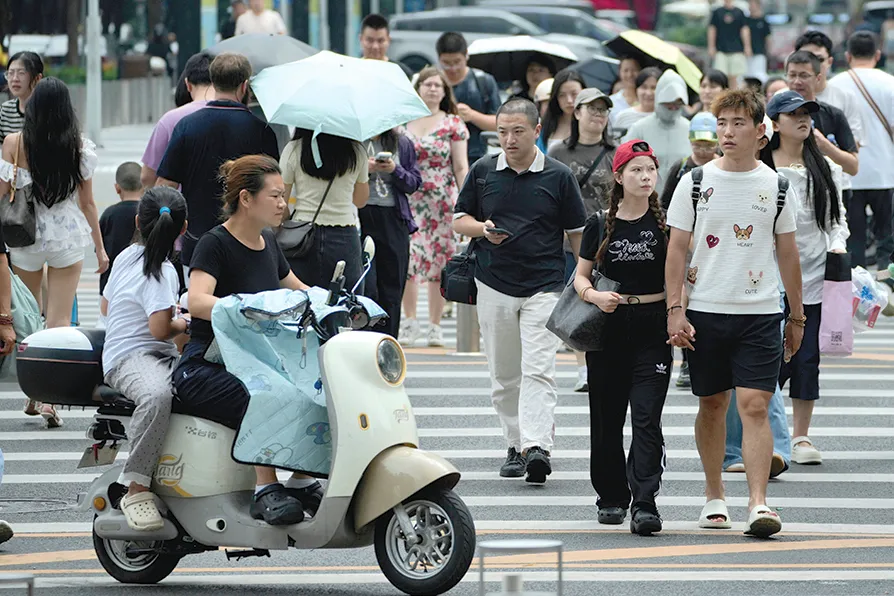
CARLOS MARTINEZ responds to liberal hawk Simon Tisdall’s evidence-free China-bashing and asks whose agenda it really serves
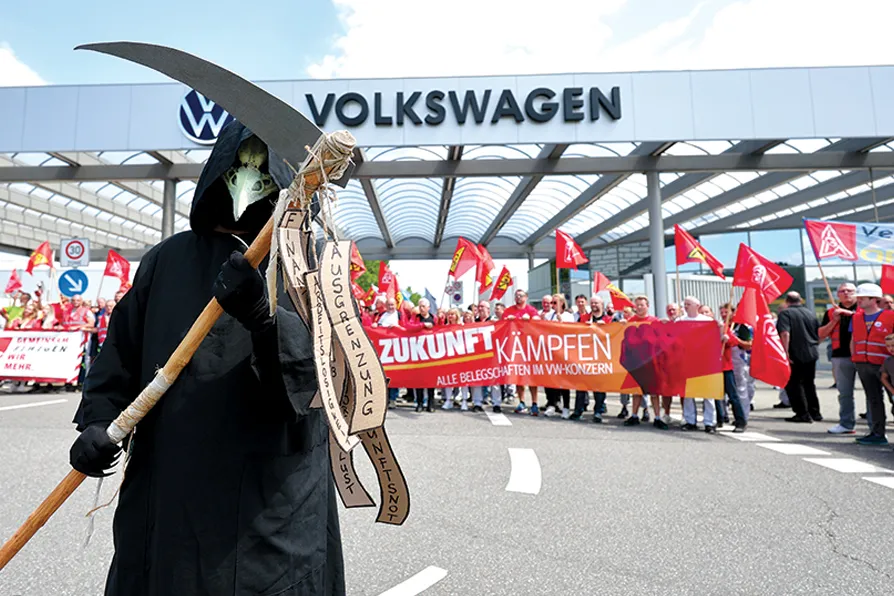
The future does not have to be climate chaos and social breakdown. MARC VANDEPITTE looks at the alternatives offered by the Global Justice Report, co-authored by Thomas Piketty
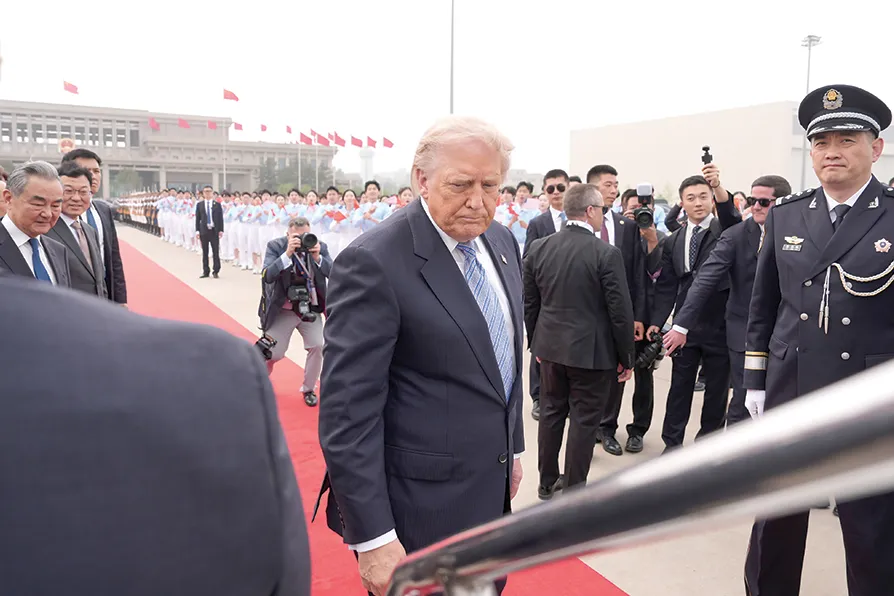
JENNY CLEGG looks at the key points that defined the China-US relationship, for now