TUC president and POA leader STEVE GILLAN speaks to Ben Chacko on the eve of Congress 2026


 Latest editorial
The travesty of liberal Christmas — from Ebenezer Scrooge to Simon Thompson
Despite being possibly the most popular Christmas story after Jesus's birthday, the political logic of A Christmas Carol — that poverty is not justified punishment for indolence — still escapes Britain's bosses, writes KEITH FLETT
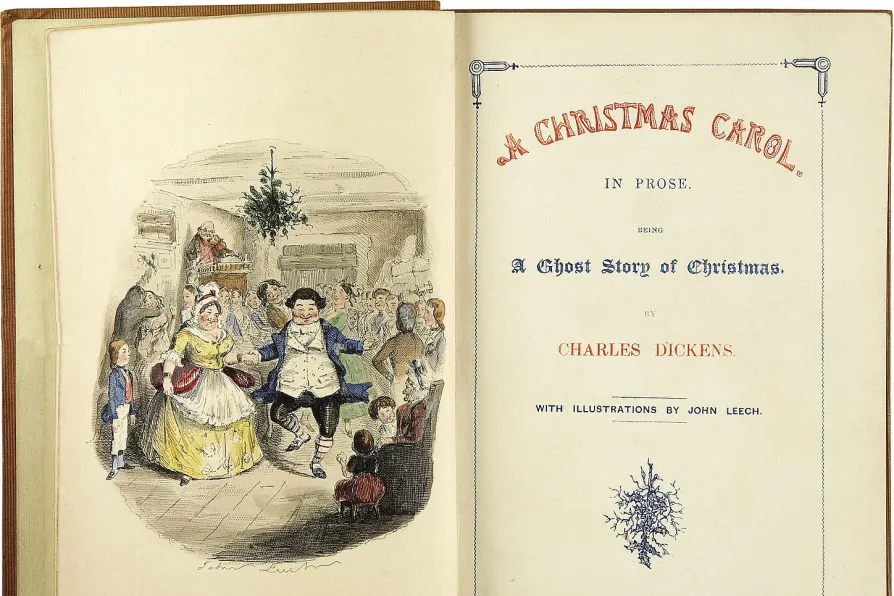 A TALE AGAINST THE RICH: Charles Dicken's most famous work in its first edition, 1843

DOUG NICHOLLS welcomes a turning point at this year’s Congress, where many motions call for a co-ordinated plan to revive British industry, a perspective outlined in his new book
HOPE VIRGO of campaign Dump the Scales warns MPs voting today they should be alert to the threat legalised assisted death poses to people with eating disorders
The Together Alliance is hosting two summits, North and South, to build power and plan action against the scourge of racism peddled by the right. DANIEL KEBEDE urges mass participation
The drift toward militarisation in Europe is not inevitable, left-wing and peace movements can preserve sovereignty and prevent war, says DÁIRE HUGHES MP
Whatever differences exist among international sympathisers of the Bolivarian revolution about its current trajectory, they should unite against the imperialist power that is the source of an enforced retreat, argues ROGER D HARRIS
Trade unions need to step up and force a turn in the policies of the labour movement to effectively confront the far-right threat, argues NICK WRIGHT





CHARLES DICKENS wrote A Christmas Carol at remarkable speed, and it was published on December 19 1843. It had already sold 5,000 copies before Christmas Day that year — in a decade that was known as the Hungry Forties. The similarities with modern “foodbank Britain” are striking.
In Dickens’s book, Ebenezer Scrooge runs a financial business off Cornhill in the heart of the City of London, and the author takes us to his counting house on Christmas Eve.
Scrooge is in one office and across the way is his clerk Bob Cratchit. The office is barely heated, Scrooge being frugal in most things.

Similar stories

Labour movement history in Britain shows workers secured reforms through collective pressure and political representation, rather than being gifted from above, writes KEITH FLETT

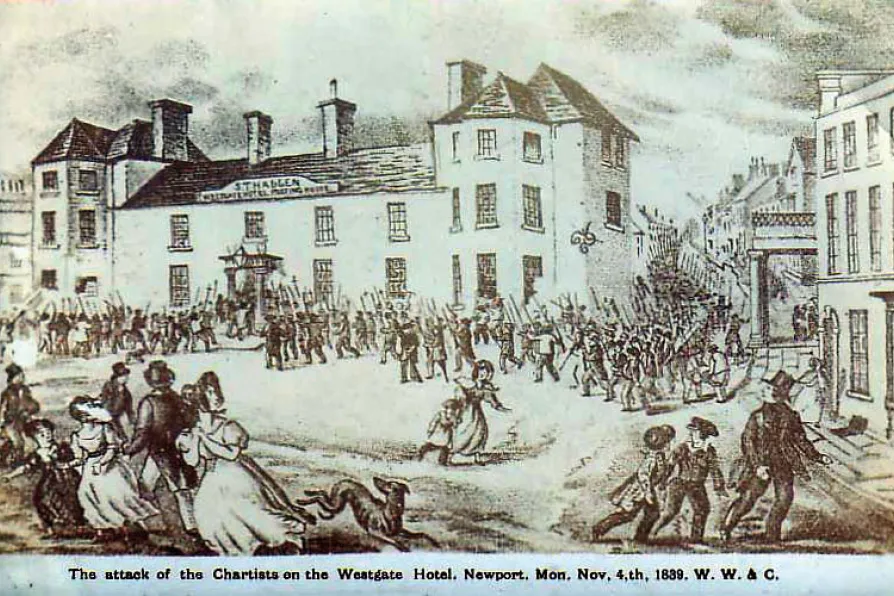
It’s not just the Starmer regime: the workers of Britain have always faced legal affronts on their right to assemble and dissent, and the Labour Party especially has meddled with our freedoms from its earliest days, writes KEITH FLETT

Royal Mail’s job quality has plummeted, with gruelling hours, two-tier pay, intense surveillance, and poor work-life balance for postal workers — but our union is fighting back, writes CWU branch secretary JOHN CARSON