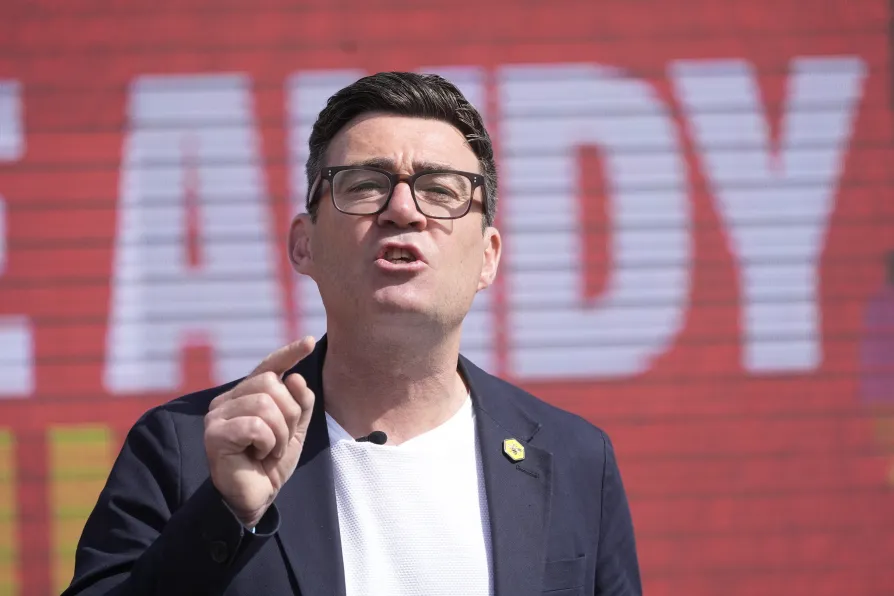
The Greater Manchester mayor has shifted left over the years — but his record still shows a tendency to wobble when pressure comes from the right, says SOLOMON HUGHES


 Latest editorial
Putting the class politics into union-building
MARTIN SMITH revisits some core organising principles that were to the fore in battles of the ’90s and which remain just as relevant today
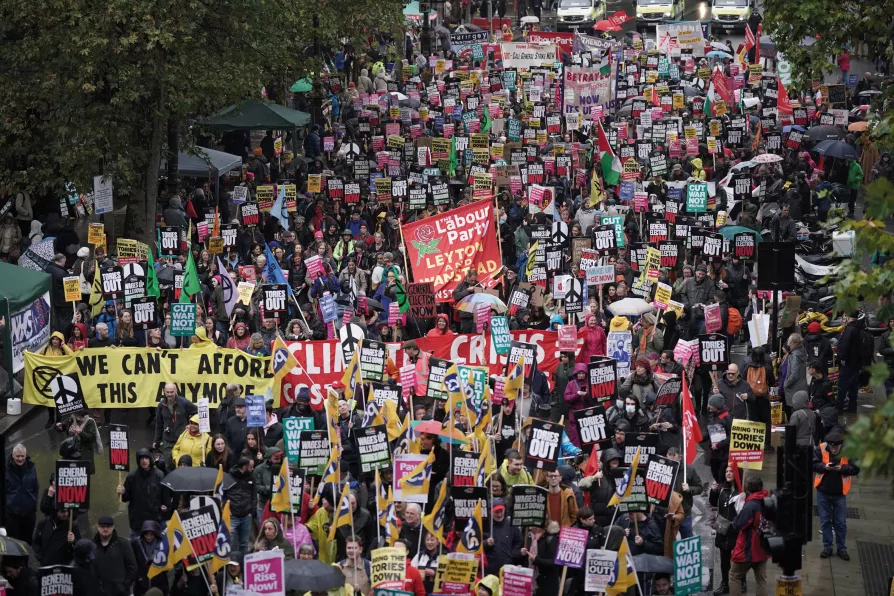 Trade unionists on a Britain is Broken march last year
RAMZY BAROUD explains why Israel’s political collapse cannot be separated from its war crimes
DAVID RABY charts the ever increasing US attempts at intervention in Mexico’s internal affairs
FRANCISCO DOMINGUEZ and ROGER D HARRIS highlight how the priority for internationalists should be defending Venezuela’s government against external aggression
Established as a landmark victory for the climate movement, the CCC promised to hold governments to account. Today, it is understating the danger of climate chaos and impeding the radical action needed, says IAN SINCLAIR
ROGER McKENZIE draws attention to the much-neglected oral traditions of the global South that define the identity – and therefore the liberation – of its custodians





OVER the last 30 years there has been a slow, patchy, inconsistent and faltering return to an organic bottom-up organising culture in British trade unions, based primarily on a renewed understanding of the dynamics of class conflict at work.
Truthfully, this evolution was not assisted in any major fashion by the Labour government of 1997 to 2010, whose focus was on individual rather than collective employment rights that could be organised around, enforced as they were on a case-by-case basis through employment tribunals.
With the prospect of another Labour government, unions must learn the lessons of our failure to capitalise on the last one to grow our organisations.

Similar stories
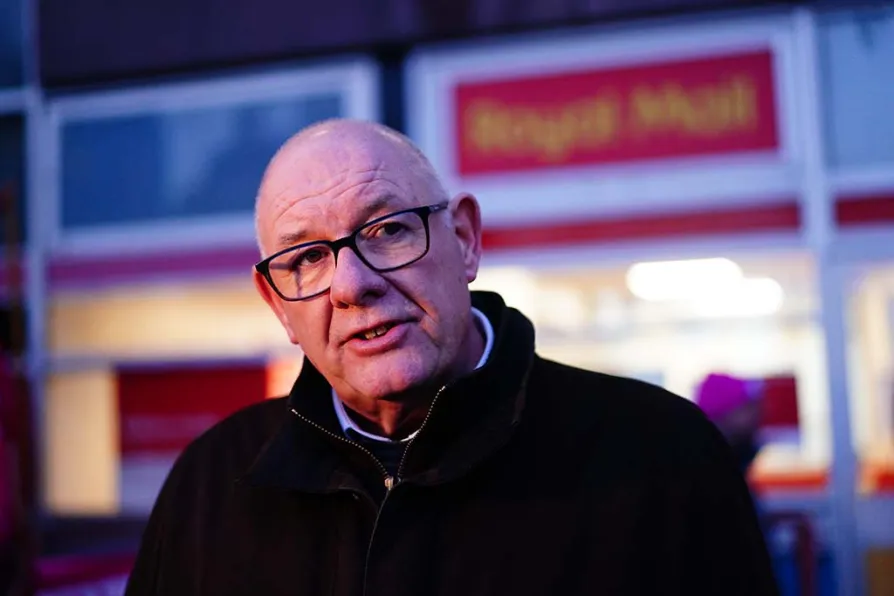
CWU leader DAVE WARD tells Ben Chacko a strategy to unite workers on class lines is needed – and sectoral collective bargaining must be at its heart
LAURA PIDCOCK and PAUL O’CONNELL introduces Rise, a political platform for working-class activism
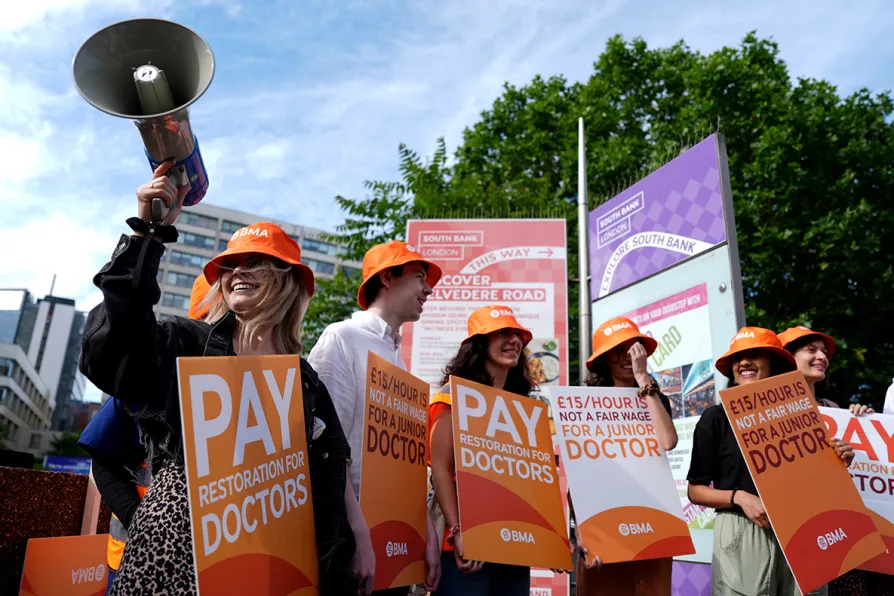
It is only trade union power at work that will materially improve the lot of working people as a class but without sector-wide collective bargaining and a right to take sympathetic strike action, we are hamstrung in the fight to tilt back the balance of power, argues ADRIAN WEIR

KEVAN NELSON reveals how, through its Organising to Win strategy, which has launched targeted campaigns like Pay Fair for Patient Care, Britain’s largest union bucked the trend of national decline by growing by 70,000 members in two years