Andy Burnham could learn a few lessons from a previous Labour government in the pre-privatisation era on how to tackle water shortages, writes KEITH FLETT


 Latest editorial

Lenin and trade unions
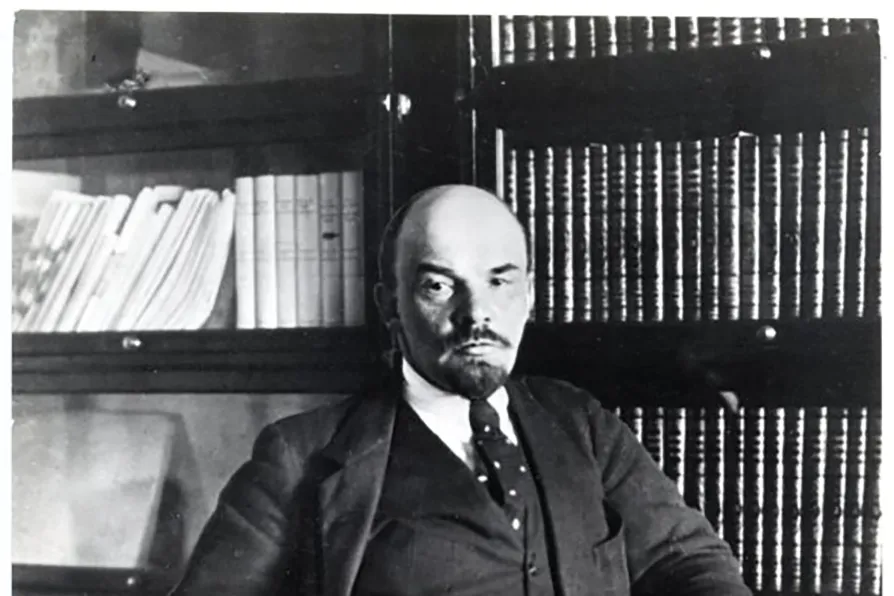
The economic struggle and how it relates to broader revolutionary struggle is a key part of Lenin’s thinking, writes ROBERT SMALL
 [Marx Memorial Library’s photo library]

North East Volunteers for Liberty plan to mark a double anniversary in October for local heroes who stood firm against tyranny, writes TONY FOX
India’s monsoon is running below normal overall, yet extreme rainfall has already caused deadly flooding in Kerala, explains LIGIN JOSEPH
Renewed illusions in social democratic reformism are sprouting as a result of Andy Burnham’s rhetoric, but material conditions are already intruding into the debate, argues NICK WRIGHT
The US is hell-bent on dismantling the International Criminal Court as part of its assault on global legal systems, but others also have valid reasons to seek its demise. BEN CHACKO provides the analysis





THIS weekend, Lenin, his life and legacy, will be celebrated right across the world. The leader of the first socialist state will be celebrated for his practical revolutionary role but also for his contribution to Marxist theory, particularly in the areas of imperialism and internationalism, the role of the party, the state and revolution, democracy and dictatorship, the struggle for peace.
However, he should also be celebrated for his contribution on the questions of trade unions, the role they play in class struggle, and the attitude that Marxists should take towards them and work alongside or within them. Lenin was the first Marxist to really concretise Marx and Engels’ views on the potential role that trade union struggle, and economic struggle more broadly, could play in the development of class consciousness and advancing proletarian revolution.
While Marx, and particularly Engels towards the end of his life, had begun to develop a detailed theory of the role of trade unions, and on the other hand were clear that the “constitution of the working class into a political party is indispensable,” they had not mapped out clearly the relationship between the two, or the role members of a revolutionary working-class party should play in relation to trade unions.

Similar stories

Dignity is important to all humans, argues the Marx Memorial Library and Workers’ School, but it does not come about automatically. In a less than perfect world, dignity can accompany suffering, but the collective dignity of working people is achieved through acting together to change the world.

Internationalism is deeply embedded in socialist theory and practice. Examination illuminates its complexity asserts the Marx Memorial Library and Workers’ School

Nature as well as society works dialectically, asserts the Marx Memorial Library and Workers’ School

JOHN REES replies to Claudia Webbe