Committee for the Defence of the Iranian People’s Rights general secretary GAWAIN LITTLE discusses the impact of the US-Israeli war on the Iranian people and economy


 Latest editorial

The shifting sands of war
The possibility of a renewed diplomatic solution in Ukraine could be opening up – but will a hawkish Labour front bench get the message, wonders NICK WRIGHT
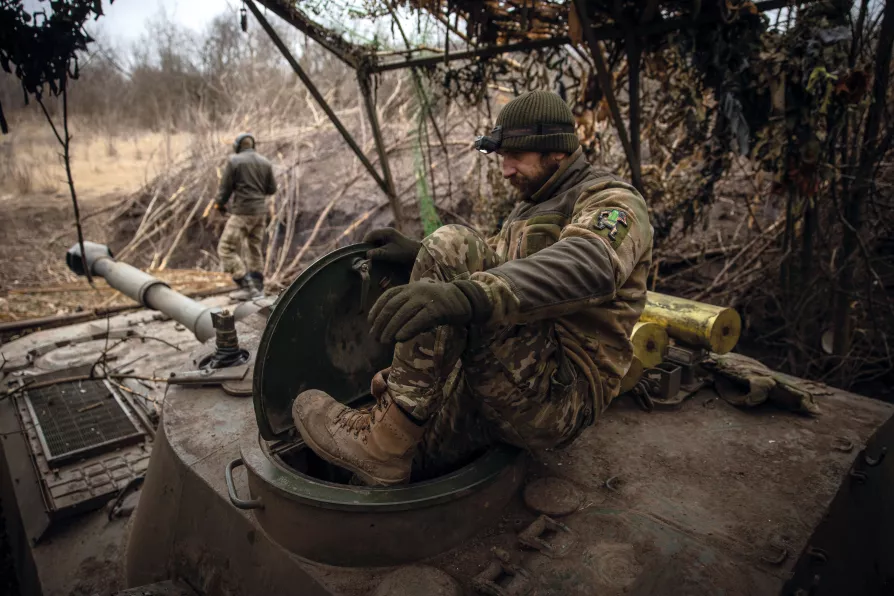 WAR MACHINE: Ukrainian soldiers prepare a self-propelled artillery vehicle Gvozdika to fire towards the Russian positions on the front line in the Donetsk region, Ukraine
Capitalism has extracted itself from crisis before, argues PRABHAT PATNAIK – but through methods no longer available. So it is turning to authoritarianism, militarism and neocolonialism
The five young men killed in the A66 crash were responsible for a devastating tragedy — but the crash should force us to ask difficult questions about wider society, argues RENATA MEDEIROS MIRRA
Britain funds the policing of black culture 16 times better than the culture itself. The Diamond Jubilee is the moment to end that, argues CLAUDIA WEBBE
Despite Andy Burnham’s declaration defending the continued partition of the island, all major international and internal trends are converging to make Irish reunification inevitable
Humans are part of the ‘animal kingdom’ – and of nature in general – but also distinct from it and labour (work) is part of what makes us unique, declared Engels. His insights 150 years ago into how our species came to be and how we differ from the rest of nature, are as important today as they were then, says the MARX MEMORIAL LIBRARY





ANY illusions that the European Union is a force for peace in the world, or even on its own doorstep, vanished on the final day of the Munich Security Conference.
Convened in great luxury in the Bayerische Hof Hotel, dozens of new cold warriors heard Estonian premier Kaja Kallas propose that the EU collectively buy artillery munitions for Ukraine and, in lockstep, EU foreign policy chief Josep Borrell gave it the imprimatur of the EU hierarchy.
The significance of this stand lies not in the talk about ramping up production — which is presently insufficient to meet Ukraine’s demands and the delivery of which is further threatened by the collapsing US consensus about supply — but in the fuller integration of the EU into the Nato war-fighting strategy.

Similar stories
Andy Burnham offers unconditional support for Zelensky but no solutions to the underlying conflict between the Nato/EU bloc and Russia, says NICK WRIGHT
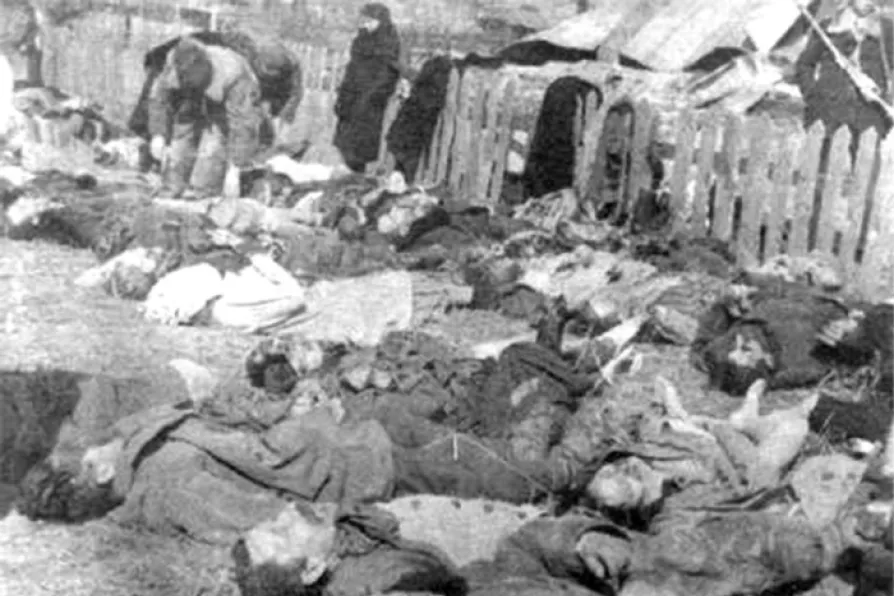
Poland’s anger over Ukraine’s celebration of the Nazi collaborationist UPA reflects more than historical grievance, says KENNY COYLE
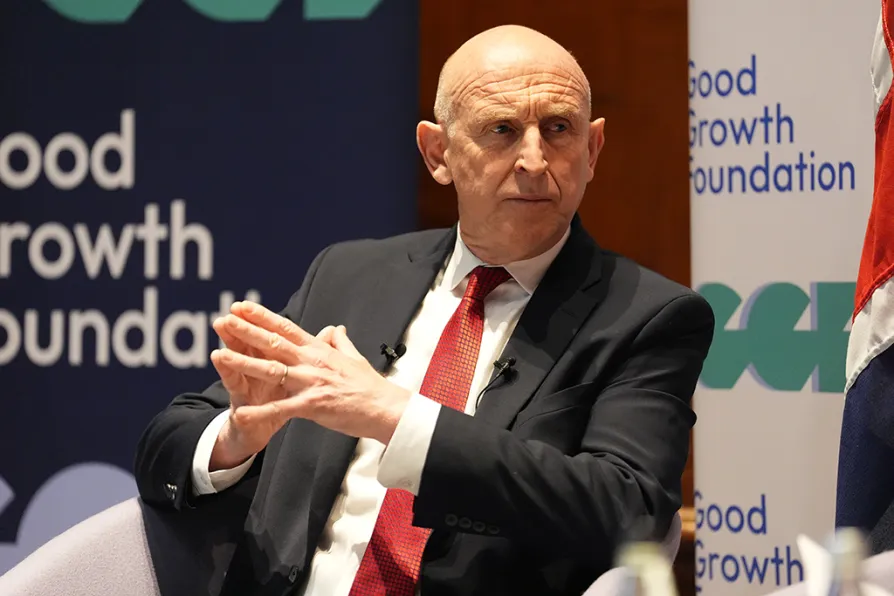
The defence secretary’s resignation reveals not a split over principle but a dispute over pace of military spending, as Britain’s political Establishment unites behind deeper Nato commitments, argues NICK WRIGHT