ROB WARZYNIAK recalls the emblematic 1906 book, The Jungle, in its analysis of the crisis presently engulfing the US Food and Drug Administration


 Latest editorial

Ukraine needs a peace deal, not tanks
LIZ PAYNE explains that the only valid political demand over the conflict in Ukraine is that it is brought to an end as quickly as possible
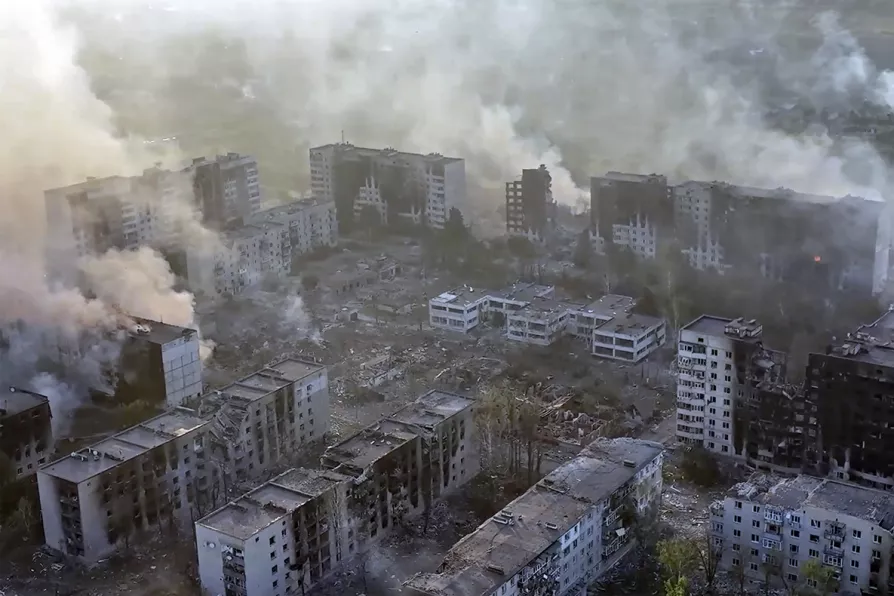 This image taken from a video released by the Ukrainian Tsunami Assault Regiment, Liut Brigade, shows the northeastern frontline town of Vovchansk, Ukraine, during heavy bombardment by Russian forces, May 28, 2024

Welsh wanderings showcase fiery destruction, alternative water ways and revive memories of a local mining legend, writes MARK SEDDON
As thousands die in the eastern DRC, a global health emergency is being starved of funds, says S KRISHNASWAMY
MAT COWARD explains how in the 17th century a row over whether to kneel at communion became a battle over religion, class and royal power
Renewed illusions in social democratic reformism are sprouting as a result of Andy Burnham’s rhetoric, but material conditions are already intruding into the debate, argues NICK WRIGHT
Andy Burnham could learn a few lessons from a previous Labour government in the pre-privatisation era on how to tackle water shortages, writes KEITH FLETT





BEFORE it even began, it was clear that the recent two-day summit in Stansstad, Switzerland, on “peace in Ukraine” would not — and could not — succeed in moving towards a settlement that would end the decade-long conflict, even if that had ever been a serious intention.
Sixty-eight of the countries invited, including China, declined to attend, leaving the US, Britain, the EU, Nato and their allies to dominate proceedings. Russia, one of the two protagonists, was excluded. Of those present, 12 refused to sign the final communique.
Significantly, these included Brazil, the Vatican City, South Africa and a number of developing countries. In the end, none of the Brics countries, neither the original five nor subsequent members, signed the final document.

Similar stories
SOPHIE BOLT argues that spending more on military will harm rather than benefit Britain by diverting vital resources away from essential public services

British military spending is among the highest in the world, diverts scarce resources from far better causes and fuels international conflict. It’s time we made different choices, argues LIZ PAYNE
While 69 per cent of Ukrainians want negotiated peace, Western leaders are cynically prolonging the war for their own strategic and economic goals, to the immense detriment of Ukraine and Europe, write BOB ORAM and MAGGIE SIMPSON