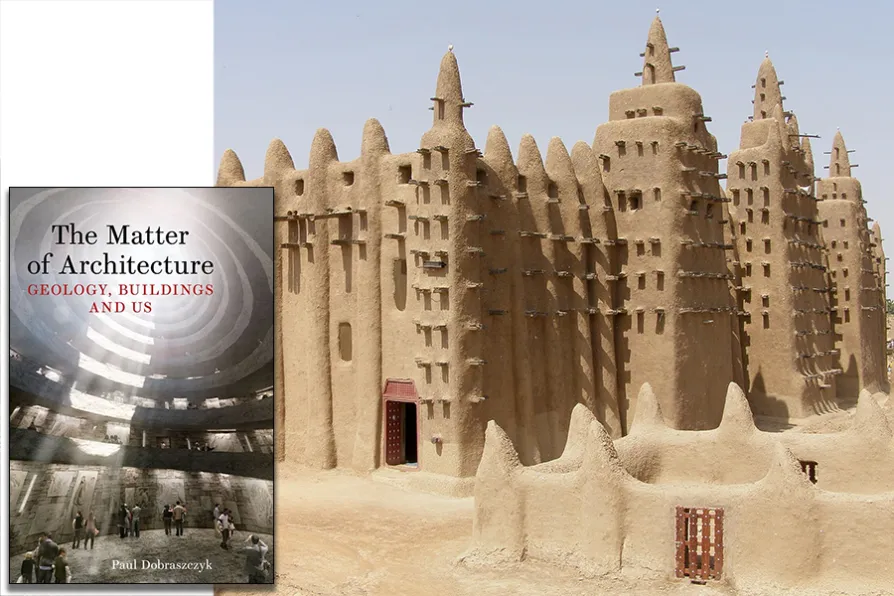
JAMES WALSH is moved by a provocative and original take on the relationship between ecology and architecture, and a plea to work with, not against, the materials and minerals of our world


 Latest editorial

The spirit in the mass
ANGUS REID celebrates the achievement of Frank Auerbach, and the decisive influence of his teacher, David Bomberg
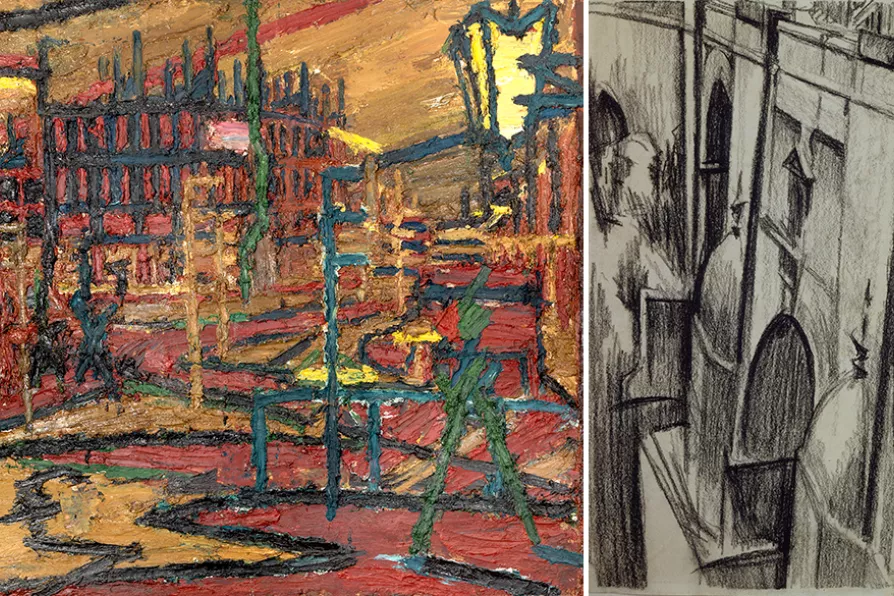 (L) Frank Auerbach, Mornington Crescent with the Statue of Sickert’s father in law, Cobden (1966); David Bomberg, The Bridge At Ronda
[Pics: Copyright Daniel Katz Gallery London]
(L) Frank Auerbach, Mornington Crescent with the Statue of Sickert’s father in law, Cobden (1966); David Bomberg, The Bridge At Ronda
[Pics: Copyright Daniel Katz Gallery London]
An immersive, participatory display by a queer Australian Aboriginal performer, and a rebellious unravelling of traditional Scottish dance
EWAN CAMERON witnesses a political farce that lacks a clear message
EWAN CAMERON picks out two fascinating music shows, fusing the Korean, and the Celtic, with the modern
BENJAMIN POTHIER suggests that Palaeolithic cave paintings in Spain point to the ceremonial use of hallucinogenic flora
The bard confirms that the right has a humour bypass, and replays the English Revolution on period instruments





THE sad news that the artist Frank Auerbach died this week invites the occasion to examine the way he, and a few others, dedicated themselves as a revolutionary cell within British art to a remarkable initiative that was lead by David Bomberg, the artist turned part-time teacher, at the Borough Polytechnic in the immediate aftermath of WW2.
Auerbach himself, the orphaned child of German Jews who perished in the Holocaust, was just 17 when he joined Bomberg’s classes. He hadn’t seen his parents since April 1939 and had been raised in the “liberated, puritanical” (as he put it) atmosphere of Bunce Court, a private school that had offered a haven for a limited number of Jewish child refugees. He aspired to be an actor or painter, and was desperately poor.
He had a place at St Martin’s, a “proper” art school, but the course didn’t start until the autumn and the Borough, in the form of Bomberg’s part-time classes offered the chance for life-drawing.

Similar stories
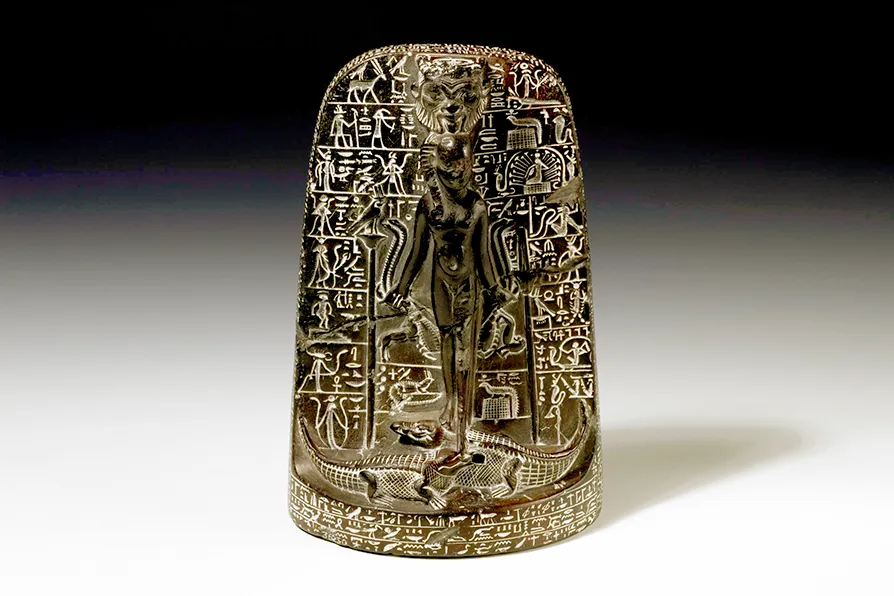
CHRISTIAN KNOBLAUCH is thrilled by the response of children to the presence of artefacts from the British Museum in their classrooms
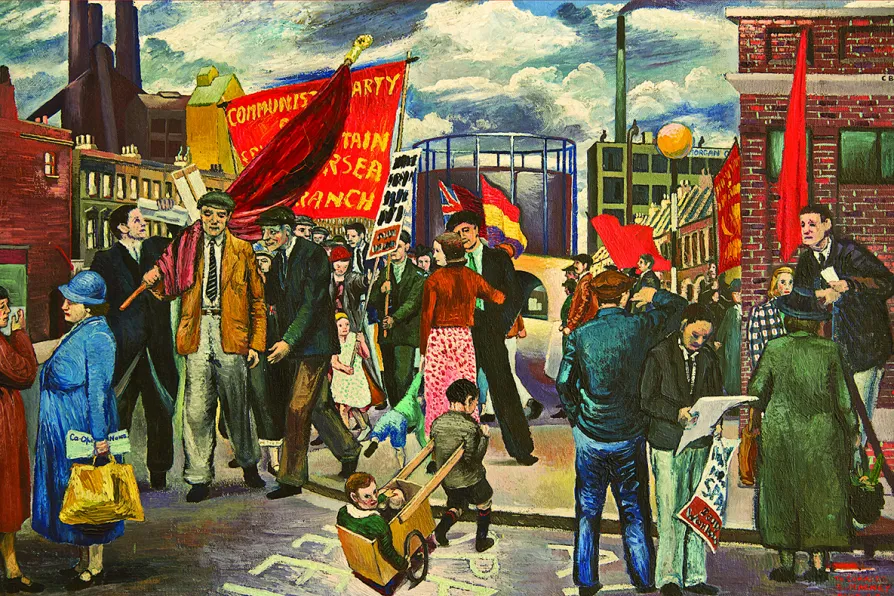
JIM JUMP describes how artists in Britain rallied to the anti-fascist cause
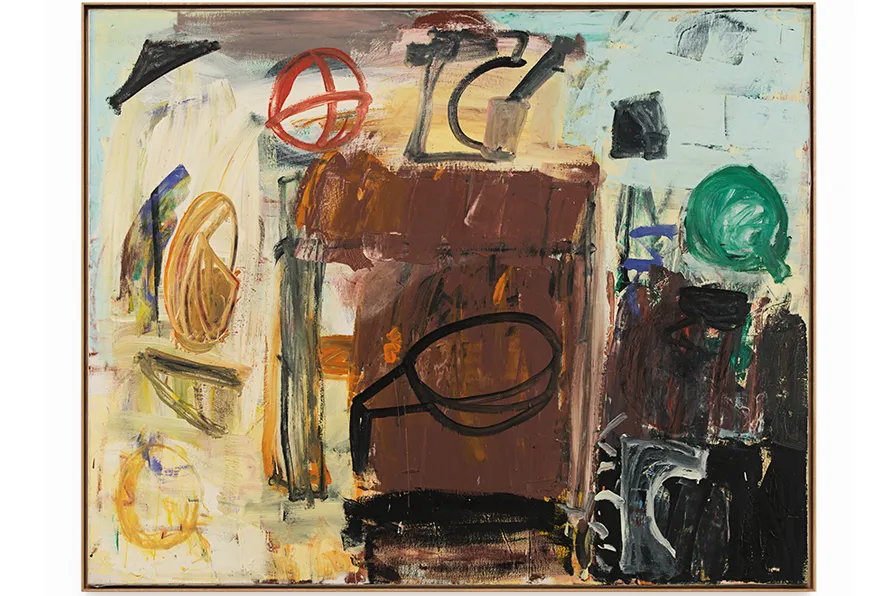
MIRANDA RICHMOND relishes the gloriously liberated art of Roy Oxlade, and traces his method back to the thinking of David Bomberg, his acknowledged teacher
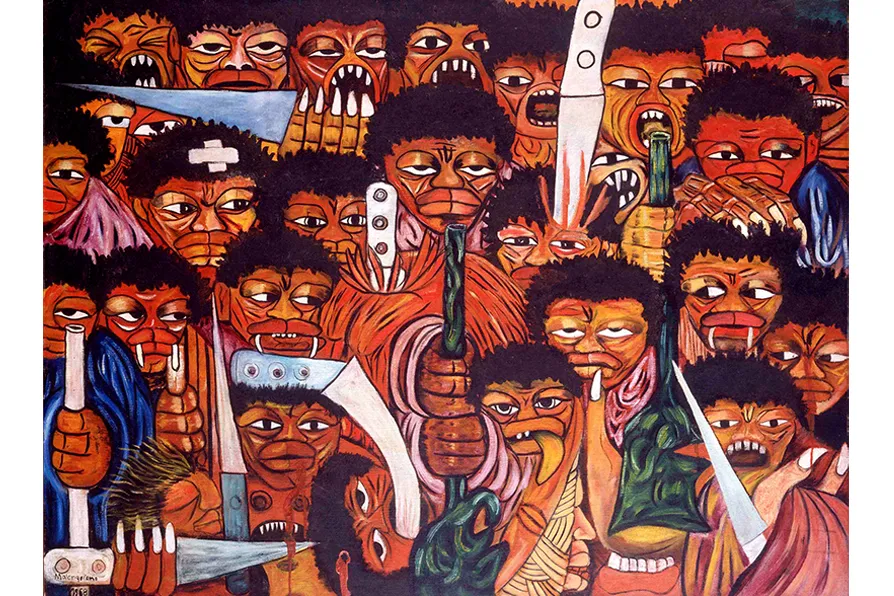
JOHN GREEN welcomes a remarkable study of Mozambique’s most renowned contemporary artist