

 Latest editorial

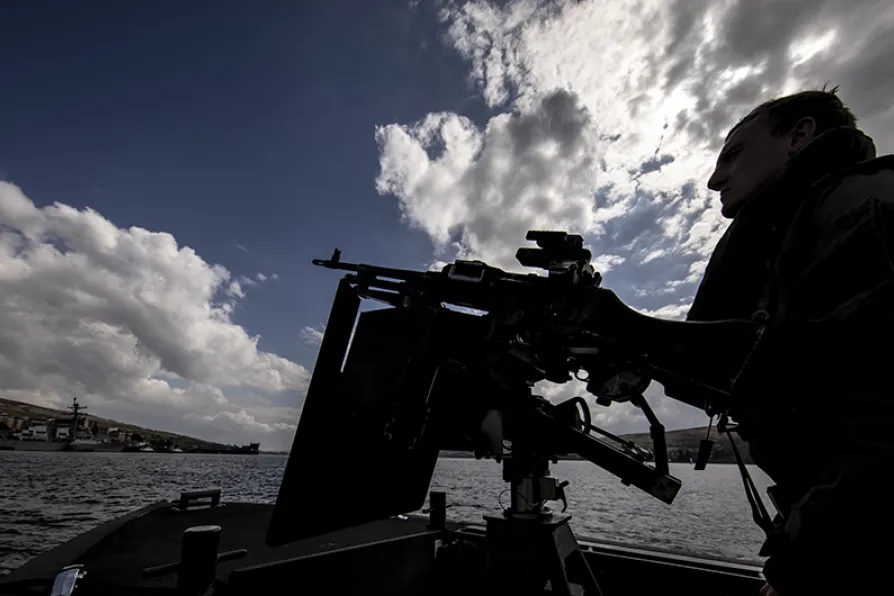 A Royal Marine patrols the waters at HMNB Clyde, which is the home of HMS Vigilant, the Vanguard-class submarine carries the UK's Trident nuclear deterrent





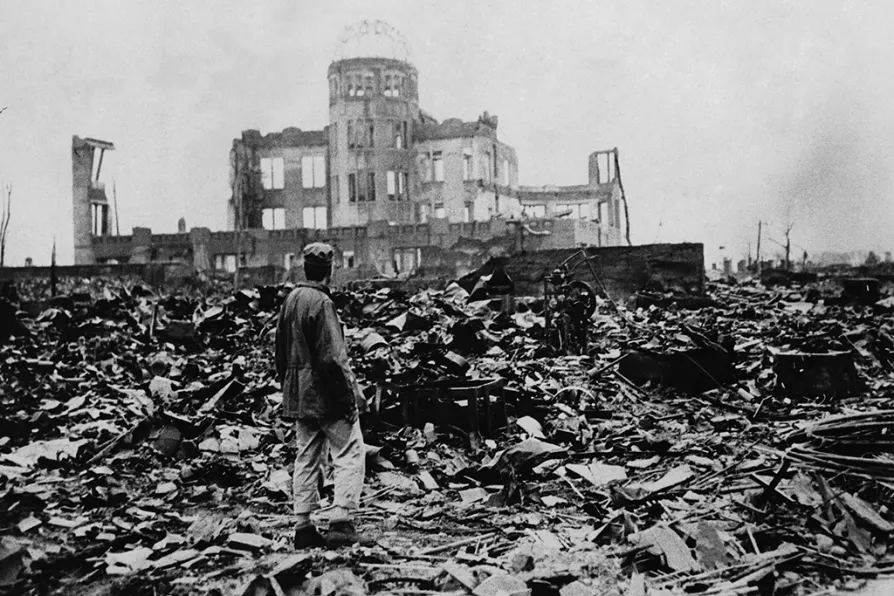
HIROSHIMA DAY commemorates the atomic bombing of the Japanese city by the United States 81 years ago.
The atrocity not only killed hundreds of thousands instantly and condemned many more to painful, lingering deaths. It took the world into the atomic age: one in which wars, already hugely more destructive than in previous eras thanks to industrialisation, could plausibly spell the end of human civilisation itself.
Three days after Hiroshima the US dropped a second atom bomb on Nagasaki.
That remains the last time a nuclear weapon was used in conflict. Decades of testing followed, many of which would claim their own victims through radiation poisoning and the resulting cancers, in some cases over multiple generations. But the horror of nuclear war that grew from the radioactive ruins of Hiroshima and Nagasaki has proved strong enough to prevent a repeat performance — so far.
That situation is changing. There is no room for complacency — the Doomsday Clock, standing at its closest ever, 85 seconds, to midnight, accurately reflects a world in which nuclear weapons are closer to being used than at any time since 1945.
Even avoiding nuclear war to date has been a chancier thing than most accounts recognise. When rival camps are armed to the teeth, suspicion and misinterpretation can be the path to catastrophe.
World War III was avoided during the Cuban Missile Crisis not just because the Soviet and US governments agreed an off-ramp, but because a Soviet submarine officer, Vasili Arkhipov, defied the vessel’s captain and political officer, who believed depth charges dropped on it by US warships signalled the outbreak of war, and refused permission to launch a nuclear torpedo in retaliation.
Two decades later, the caution of another Soviet officer, Stanislav Petrov, again prevented war when the country’s early warning system malfunctioned, indicating incoming US missiles that could have prompted retaliatory strikes.
Both incidents show how close to the edge we have been.
Today, nuclear weapons stockpiles are not so large as in the cold war — but still easily large enough to kill a majority of human beings and precipitate the collapse of global agriculture and trade.
More countries possess them. Even if every nuclear-armed government were led by level-headed and responsible politicians, this would increase the number of potential flashpoints where a miscalculation could ignite the world.
In fact some are led by leaders without these qualities. India’s Narendra Modi repeatedly threatens to cut off Pakistan’s water supply, a genocidal policy. Israel’s Benjamin Netanyahu is already waging a genocidal war against the Palestinian people and attacking countries across the region, from Iran to Lebanon and Syria. US President Donald Trump threatens war on multiple continents simultaneously; has openly threatened to destroy an entire civilisation (Iran) in one of those wars; and clearly begins wars without clear goals or an exit strategy, all risk factors for escalation. These are reckless people.
Cold War decision-makers could remember World War II, the scale of death and destruction entailed by total war between great powers. So too could their populations, who through mobilisations like the Aldermaston marches or at Greenham Common demonstrated their opposition to war.
Today’s Western leaders are casually confrontational, seizing ships on the high seas from nuclear-armed rivals, holding Nato competitions on how to disable targets inside Russia, the country with the world’s biggest nuclear arsenal.
Either a generation in which war is something that can be comfortably inflicted, without serious risk, on weaker countries like Yugoslavia or Iraq has bred a false sense of security — or they are as bloodthirsty as their generals’ demands that we “sacrifice our children” to the next great war suggest.
There is no leadership from our leaders, so it must come from below. We must re-learn the fear of nuclear war that previous generations understood — and we must use it to build a powerful movement for peace and disarmament.

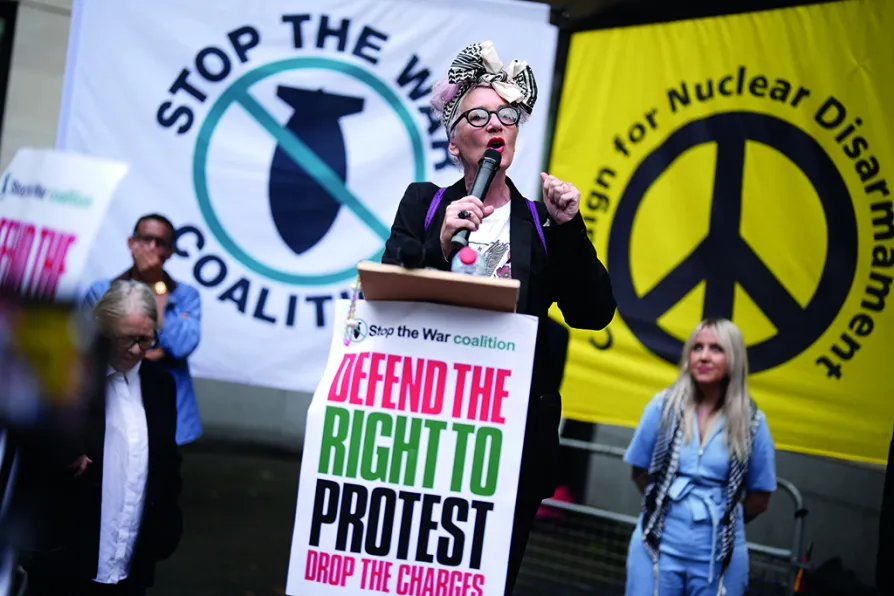
On Hiroshima Day, Campaign for Nuclear Disarmament general secretary SOPHIE BOLT explains why the danger of nuclear conflict is growing daily
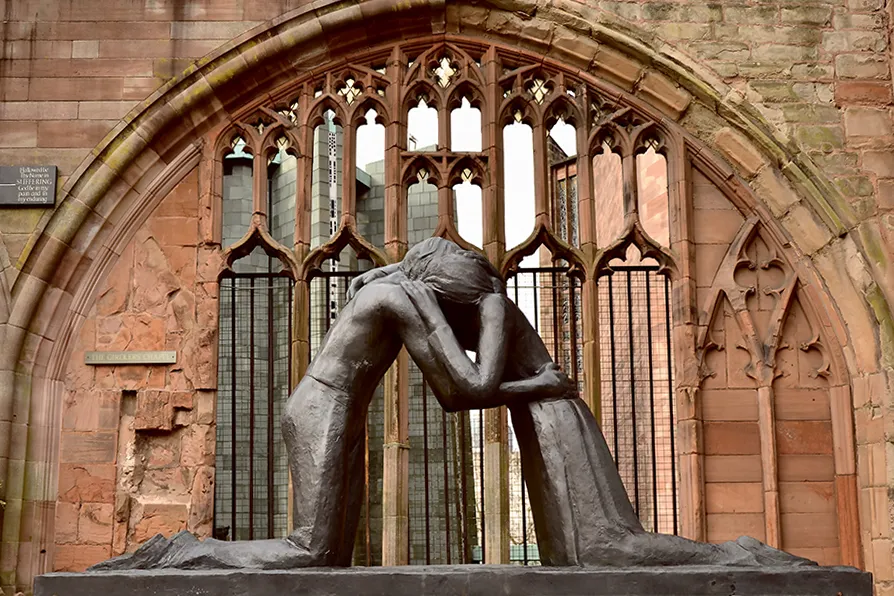
On Hiroshima Day, we print a statement by Coventry Lord Mayor’s Committee of Peace and Reconciliation