

 Latest editorial

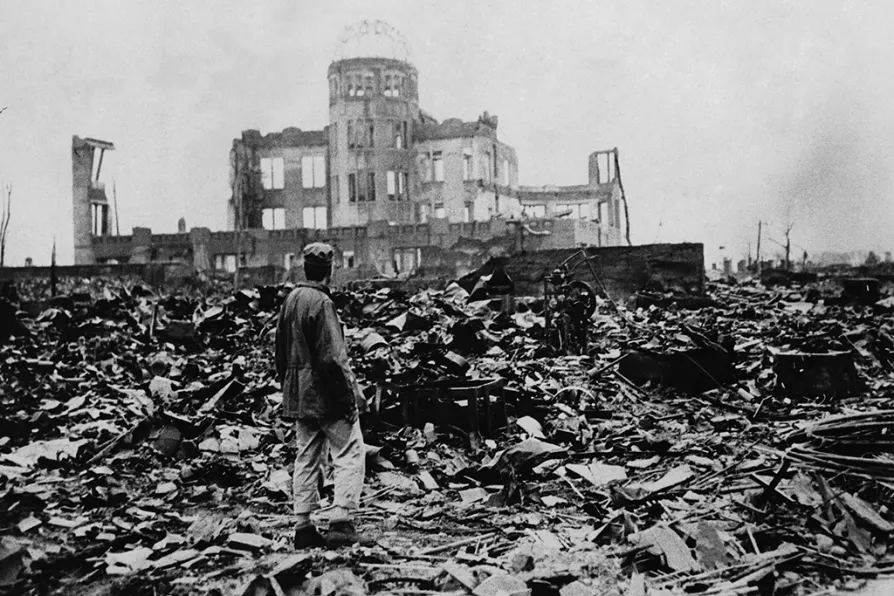 The aftermath of the Hiroshima bombing






HIROSHIMA today marked the 81st anniversary of the United States atomic bombing of the western Japanese city.
The US is still the only nation to have used nuclear weapons.
The bombing of Hiroshima on August 6 1945 destroyed the city and killed 140,000 people. A second bomb dropped three days later on Nagasaki killed 70,000.
Japan surrendered on August 15, ending World War II and Japan’s nearly half-century of aggression in Asia.
Hiroshima’s mayor, Kazumi Matsui, slammed major powers for waging wars and urged them to stop justifying the possession of nuclear weapons as a method of deterrence.
Mayor Matsui said: “Downplaying the inhumanity of nuclear weapons and accepting the use of force to pursue one’s own prosperity risks cycles of violent retaliation that could ultimately result in another Hiroshima or Nagasaki.”
Too many political leaders still consider nuclear deterrence a realistic approach and legitimise violence, which “simply pushes a world without nuclear weapons further into the distance,” Mayor Matsui said in his peace declaration at the ceremony at the Hiroshima Peace Memorial Park.
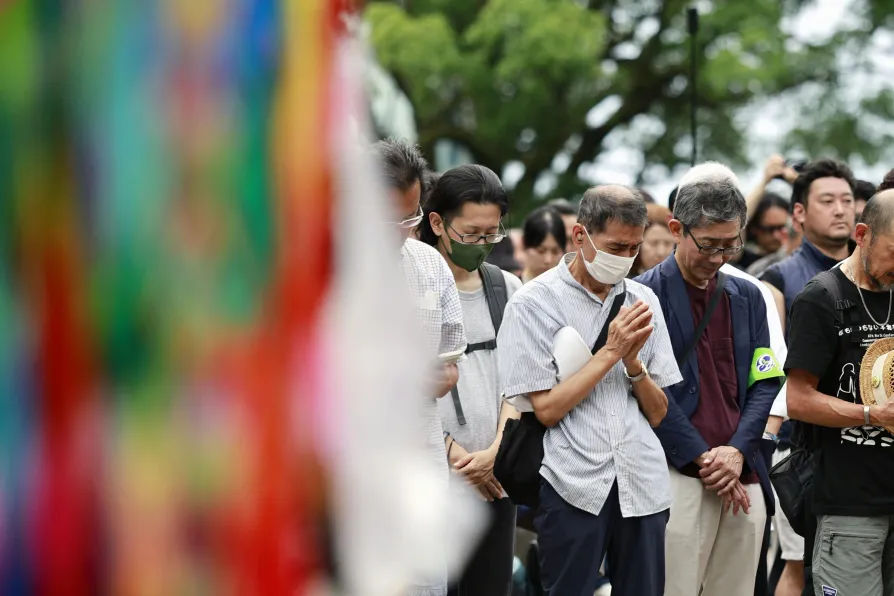
About 50,000 people, including representatives from some 120 countries and regions including the US and Iran, attended the ceremony. A minute of silence was held while a peace bell rang out at 8.15am, the time when US B-29 Enola Gay dropped the bomb on the city.
Sanae Takaichi, who attended the memorial for the first time as Prime Minister, said she will take “a realistic approach” toward achieving a world where nuclear weapons are never used, within the framework of the United Nations’ treaty to prevent the spread of nuclear weapons.
This year’s ceremony comes at a time of looming speculation that Ms Takaichi’s right-wing government, which states support for the concept of nuclear deterrence, may ease Japan’s postwar three non-nuclear principles when it compiles new security and defence documents later this year.
Ms Takaichi has advocated a review of the possibility of dropping the principle of not permitting nuclear weapons to be brought into the country.
Ms Takaichi said Japan has maintained its postwar three non-nuclear principles, but fell short of expressing commitment for sticking with that policy into the future.
The number of survivors has fallen to 91,105, about a quarter of the original number, with their average age exceeding 86. Survivors worry about fading memories, as the youngest of the survivors were too young to clearly recall the attack.


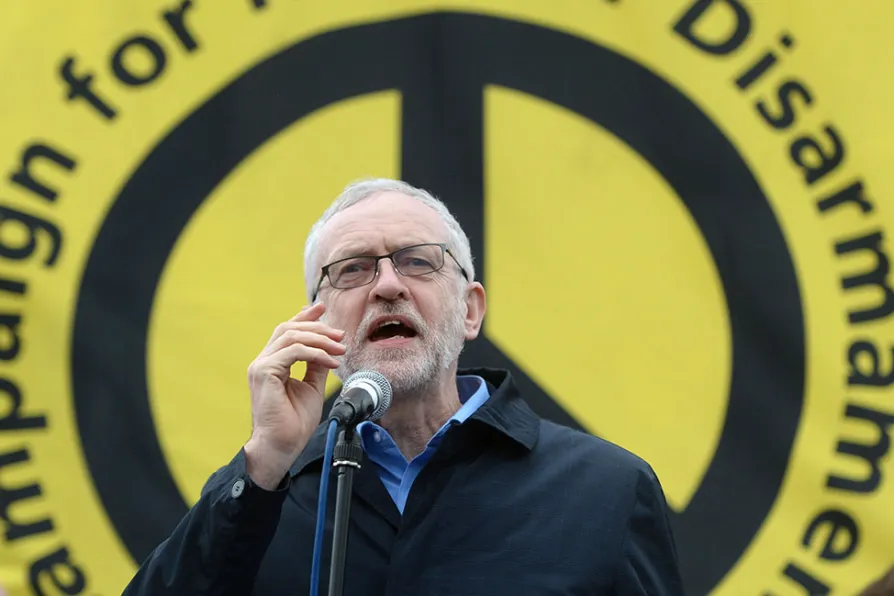
JEREMY CORBYN says we should never forget the horrific reality of nuclear weapons, or cease our efforts to rid the planet of them entirely