Latest editorial

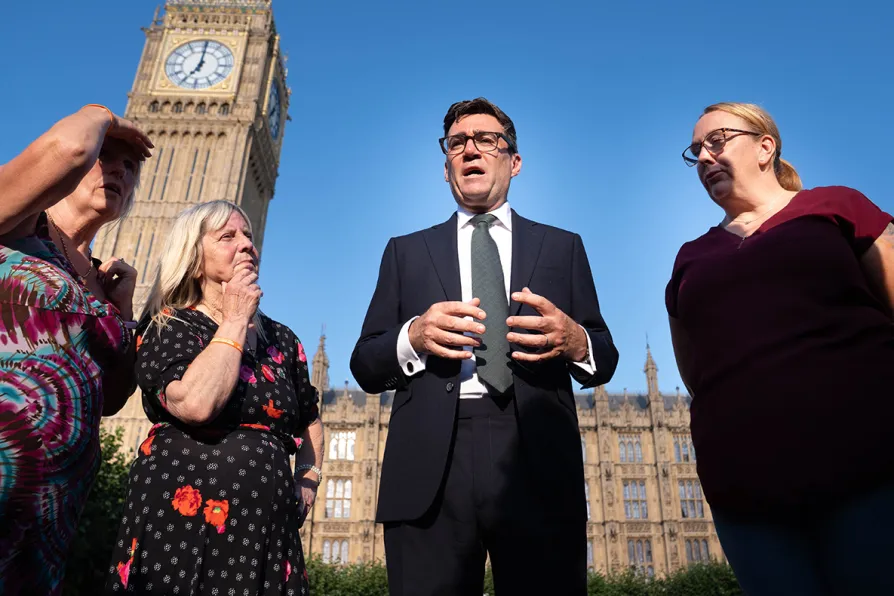
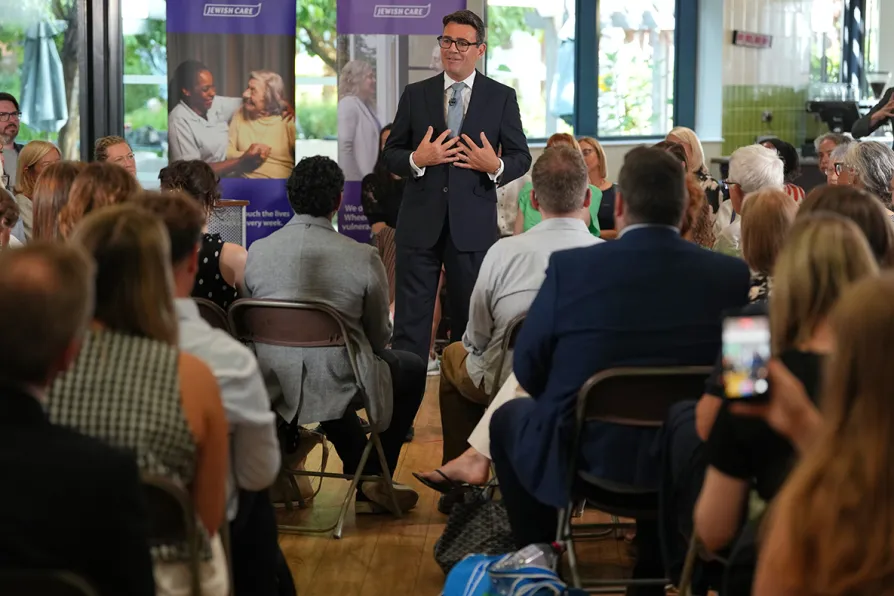
 Prime Minister Andy Burnham delivers a speech during a visit to the Jewish Care, Maurice and Vivienne Wohl Campus care home in north London, on adult social care reform, July 29, 2026





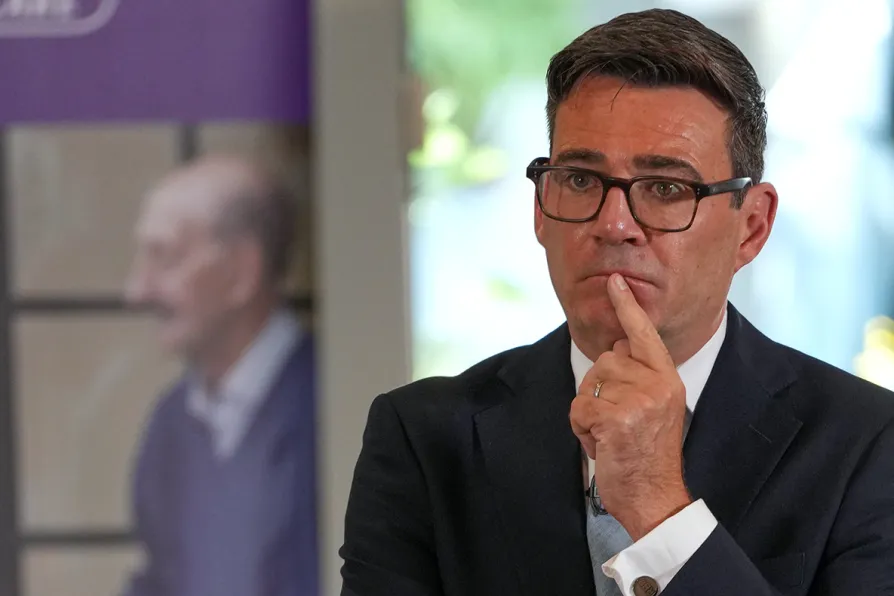
ANDY BURNHAM’S social care speech gets a lot right.
Fixing social care is a worthy mission: the largely privatised sector is a mess, imposing huge costs on vulnerable people and their families, wildly inconsistent in quality and resting heavily on the exploitation of an undervalued and underpaid workforce.
Governments have recognised the need for reform for nearly two decades, while refusing to recognise the level of investment needed. This is a devolved matter, so the Labour PM’s plans will apply only to England — but it’s a burning issue in Scotland and Wales as well, and the approach taken in one nation is likely to influence the others.
Burnham highlights the role of care workers: saying they should be the “best paid people in society, not the worst” and explicitly recognising the contribution of foreign-born care workers in caring for his father.
Such rhetoric matters: challenging the Home Office’s absurd definitions of skilled and “unskilled” work and acknowledging the hundreds of thousands of migrant workers without whom our care sector would fall apart.
Burnham also rightly specifies the role of the Fair Pay Agreement for social care brought in with the Employment Rights Act, and the Adult Social Care Negotiating Body it establishes, for unions to negotiate minimum pay, conditions and standards with employers. This body still falls short of a true collective bargaining structure, since the government sets its remit and can overrule it, but is an important step in that direction.
He should face pressure to go further than votes of thanks on migrant workers too. Before entering No 10 he expressed support for Shabana Mahmood’s changes to immigration policy, which include lengthening the qualifying period for workers to settle here — in the case of many care workers, tripling it from five to 15 years.
This retrospectively changes the terms on which workers first came to the country, a breach of trust which will make it harder to recruit the workers we need, besides entrenching a two-tier workforce that undermines standards and safety.
Burnham’s suggestion of better career pathways, and promotion opportunities into the NHS, are not irrelevant to attracting workers to the sector but treating those we have fairly is an obvious starting point. He should overrule Mahmood and address the demands migrant workers make through Unison’s Fair Visas campaign.
Still bigger ambiguities loom over his plans. This is not a field where no prior work has been done, where everything must await consultations and cross-party discussion.
Indeed, if Burnham wants his promise of breaking with 40 years of neoliberalism to be taken seriously, trying to find consensus on social care policy with the market-mad Tories is a recipe for disaster. Labour has a huge majority: it should be used, as it once was to create the NHS — against Conservative opposition.
In Scotland, plans for a national care service were dropped after losing the confidence of care workers — for proposing a state-commissioning service that would leave care privatised.
In Wales, the last five years have seen a 34 per cent fall in not-for-profit care provision while private equity is buying up care homes, pushing costs up and quality down.
Huge sums currently diverted to profits and rents across Britain should be reinvested: a real national care service needs to bring it in-house.
Burnham recognises that doing so will entail “difficult choices.” The Health Foundation suggests that universal, free-at-the-point-of-use access to social care on the model of the NHS — the most expensive of the options it considers — would cost £18.5 billion extra annually by 2035.
That’s roughly equivalent to what Keir Starmer’s Defence Investment Plan would add to annual spending much sooner, by 2030 — and to fill the pockets of the arms dealers and bloat what is already one of the biggest military budgets on Earth, rather than address a pressing social problem.

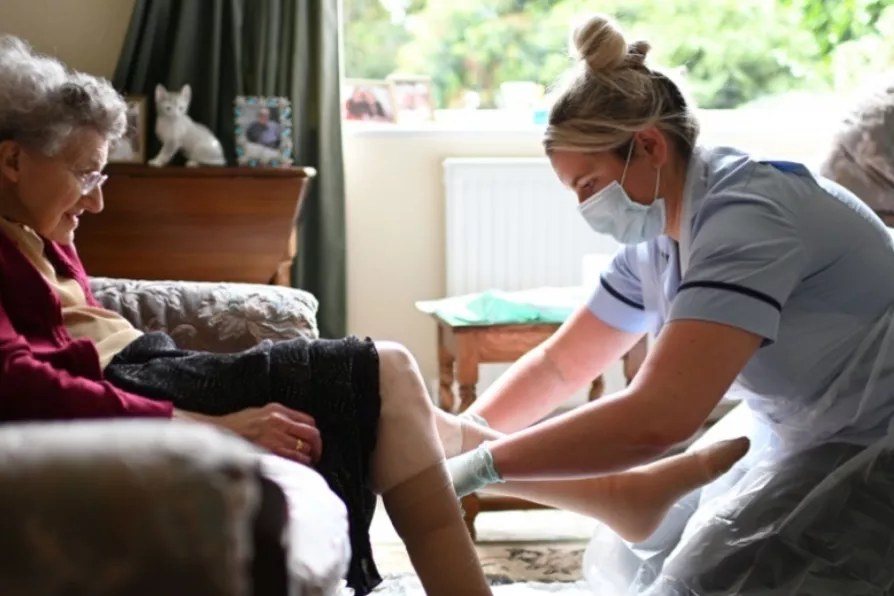
Only a publicly run, properly funded system that puts dignity before profit can end decades of market failure, says PAUL DONOVAN
Unison national officer CLARE WILLIAMS spoke to the Morning Star about the union’s priority campaigns and why they will not let up just because the Prime Minister has changed