


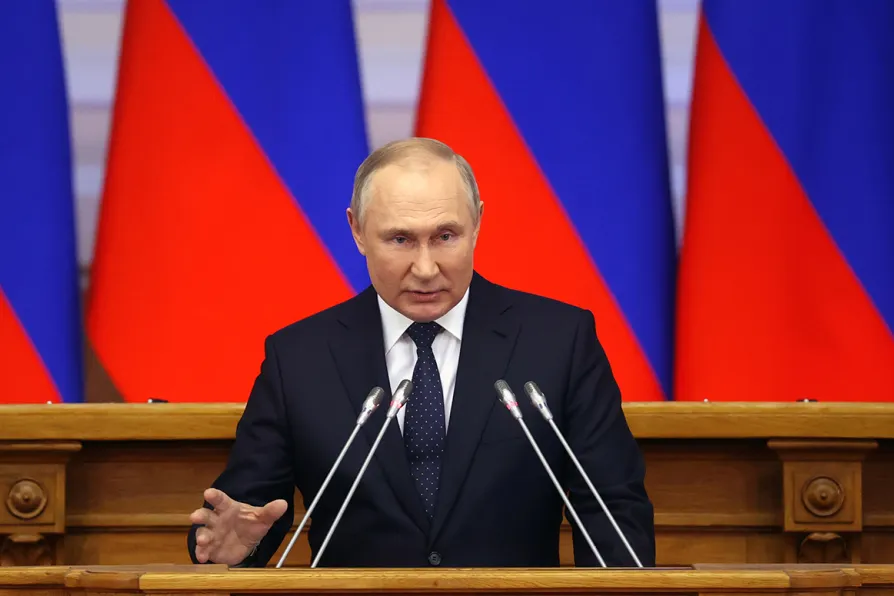
 Russian President Vladimir Putin addresses a meeting of the Council of Legislators under the Russian Federal Assembly at the Tauride Palace, in St Petersburg, Russia, Wednesday, April 27, 2022
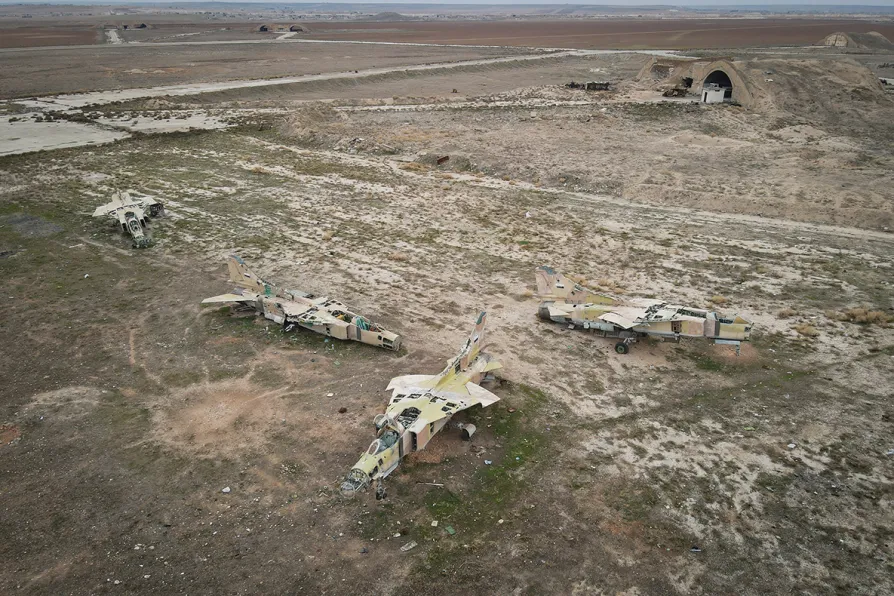





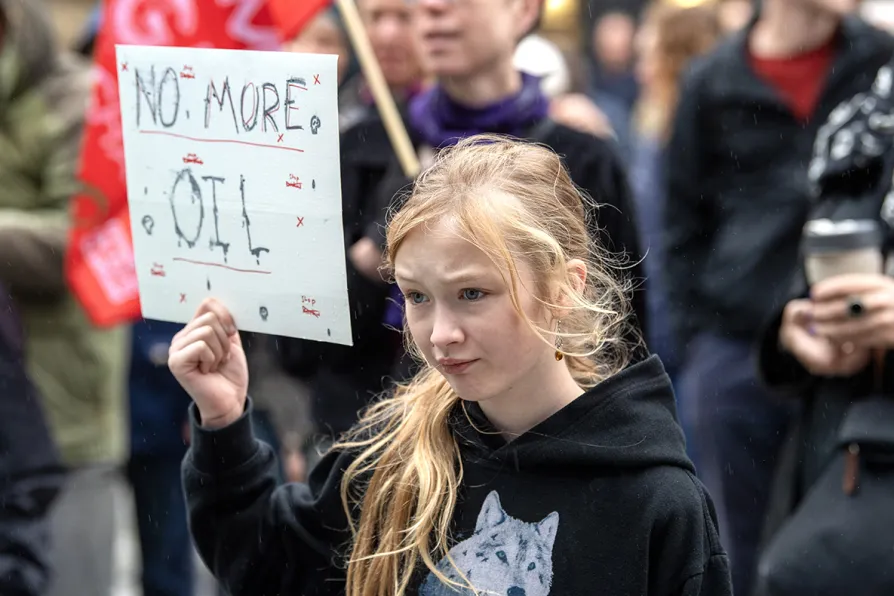
ENVIRONMENTALISTS urged European governments to free themselves from the grip of the climate-wrecking fossil fuel industry today after Russia stopped supplying gas to Poland and Bulgaria.
Gazprom, Russia’s state-controlled gas company, announced that it was turning off the taps because the Polish and Bulgarian governments had refused to pay for the fossil fuel in roubles as President Vladimir Putin had demanded following Western sanctions that have cut off Russian access to about half its foreign currency reserves.
Though both nations are reliant on Russian gas, which makes up 45 per cent of Poland’s supplies and 90 per cent of Bulgaria’s, their governments insisted that there would be no immediate shortage.

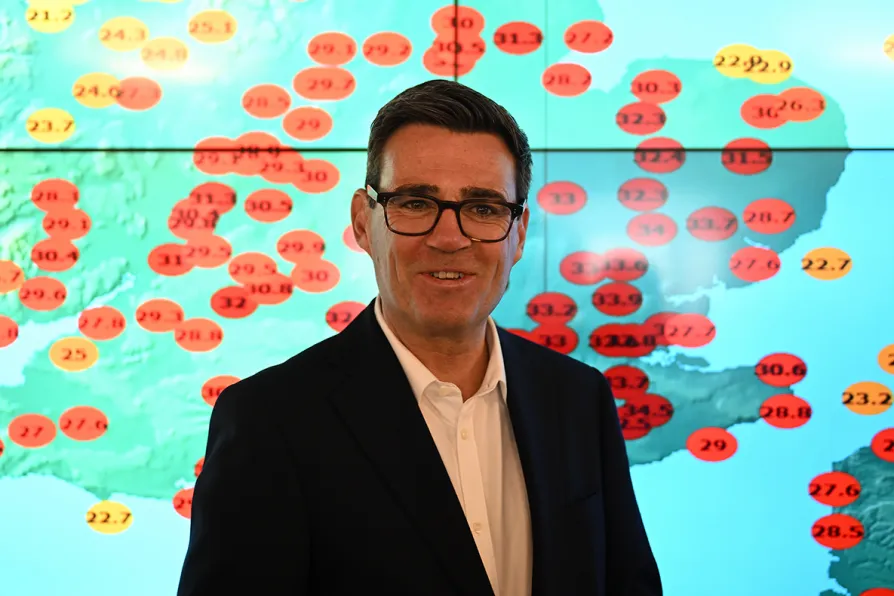
Burnham urged to stand up to the fossil fuel giants and reject plans to drill Britain’s largest untapped oil fields
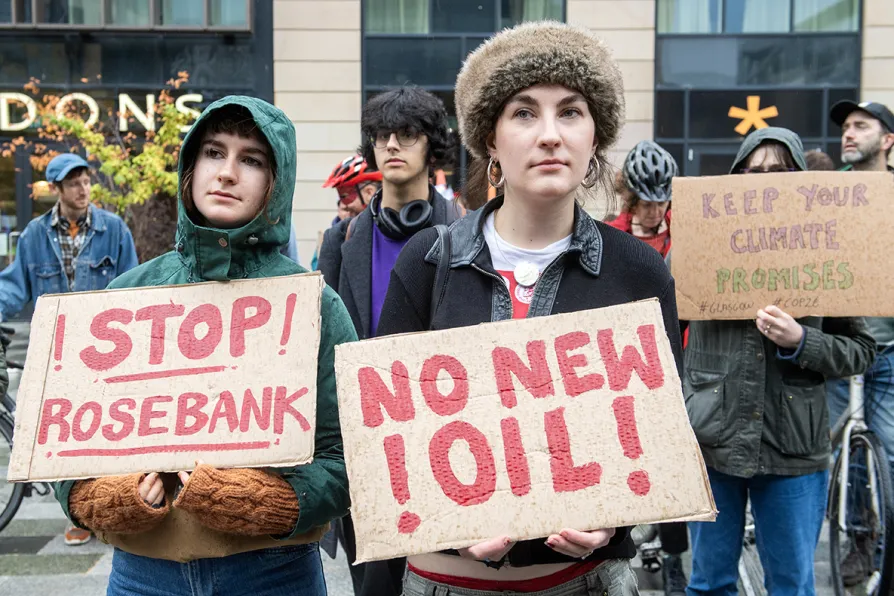
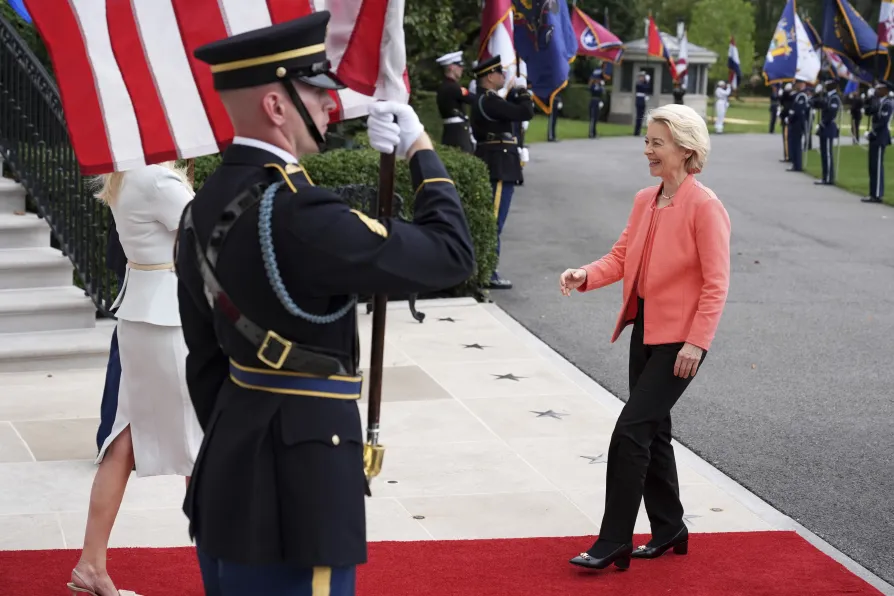
US tariffs have had Von der Leyen bowing in submission, while comments from the former European Central Bank leader call for more European political integration and less individual state sovereignty. All this adds up to more pain and austerity ahead, argues NICK WRIGHT