The question is not simply how much we spend on defence, but what we understand defence and security to mean, says SIMON BRIGNELL



Is the Trump-Netanyahu ‘unthinkable’ about to erupt over Iran?
Once able to defy a US president before Congress, Netanyahu now finds himself weakened by military setbacks and facing a populist Trump who may yet put ‘America first’ instead of Israel, writes RAMZY BAROUD
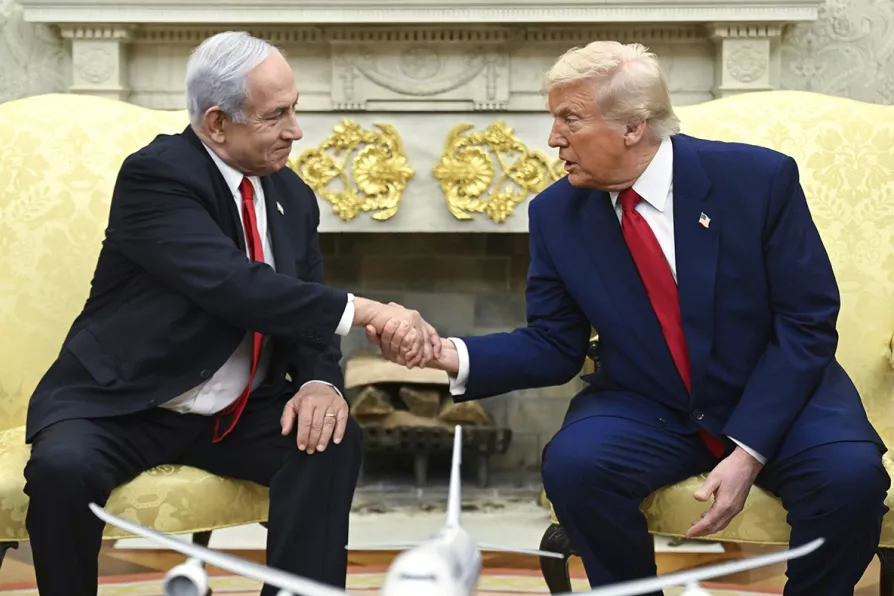
 US President Donald Trump (right) shakes the hand of Israel's Prime Minister Benjamin Netanyahu in the Oval Office of the White House, April 7, 2025

Given the recent rejection of peace proposals by Israel the world must provide an immediate and resolute response to force accountability on Gaza, argues RAMZY BAROUD
MARK SEDDON tries to cool off in the countryside to avoid the heatwaves but the greed and incompetence of the privatised water industry is now at boiling point
The disputed election of a far-right president, who is also a US citizen, signals further consolidation of Washington’s regional power and represents a threat to the country’s democracy and sovereignty, writes WT WHITNEY JNR
by Her Excellency Ismara Mercedes Vargas Walter, Ambassador of the Republic of Cuba to the United Kingdom
DR STEPHEN WILKINSON assesses the life and legacy of a revolutionary giant





ISRAELI Prime Minister Benjamin Netanyahu’s recent visit to Washington was no ordinary trip. The consensus among Israeli analysts, barring a few remaining loyalists, is that Netanyahu was not invited but, rather, summoned by US President Donald Trump.
All evidence supports this assertion. Netanyahu rarely travels to the US without extensive Israeli media fanfare, leveraging his touted relationships with various US administrations as a “hasbara” opportunity to reinforce his image as Israel’s strongman.
This time, there was no room for such campaigns. Netanyahu was informed of Trump’s summons while on an official trip to Hungary. There, he was received by Hungarian President Viktor Orban with exaggerated diplomatic accolades, signalling defiance against international condemnation of Netanyahu, an accused war criminal wanted by the International Criminal Court (ICC), and portraying him as anything but an isolated leader of an increasingly pariah state.

Similar stories
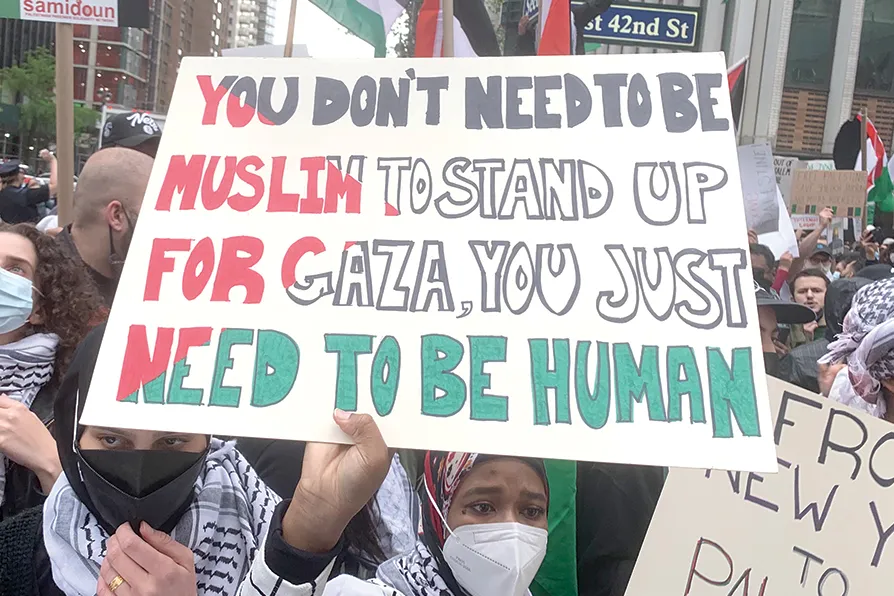
The US relationship with Israel has evolved into a strategic liability, argues RAMZY BAROUD

While international attention focuses on ceasefire frameworks, Israel is openly advancing plans for a permanent expansion of its control over Gaza, writes RAMZY BAROUD
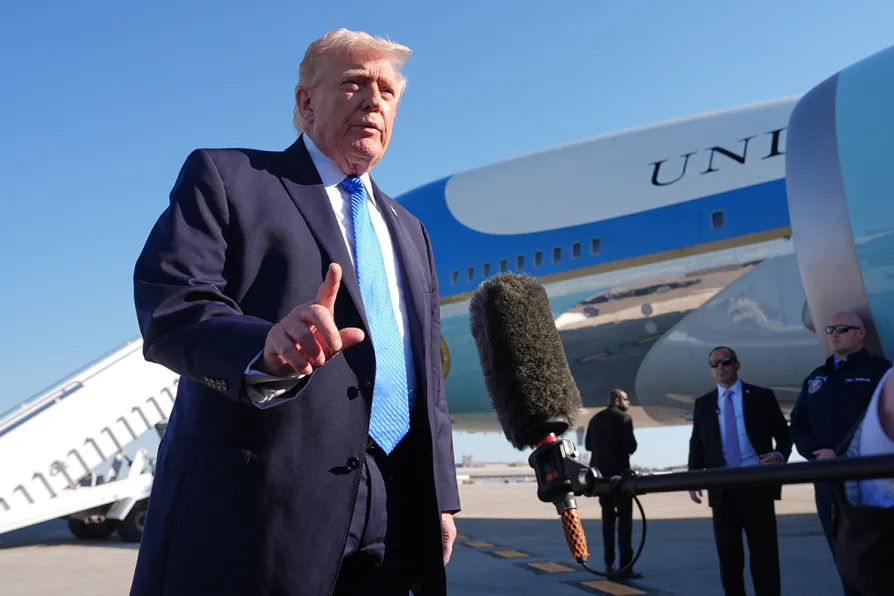
RAMZY BAROUD and ROMANA RUBEO analyse how the US has consistently negotiated in bad faith to secure the element of surprise in military attack
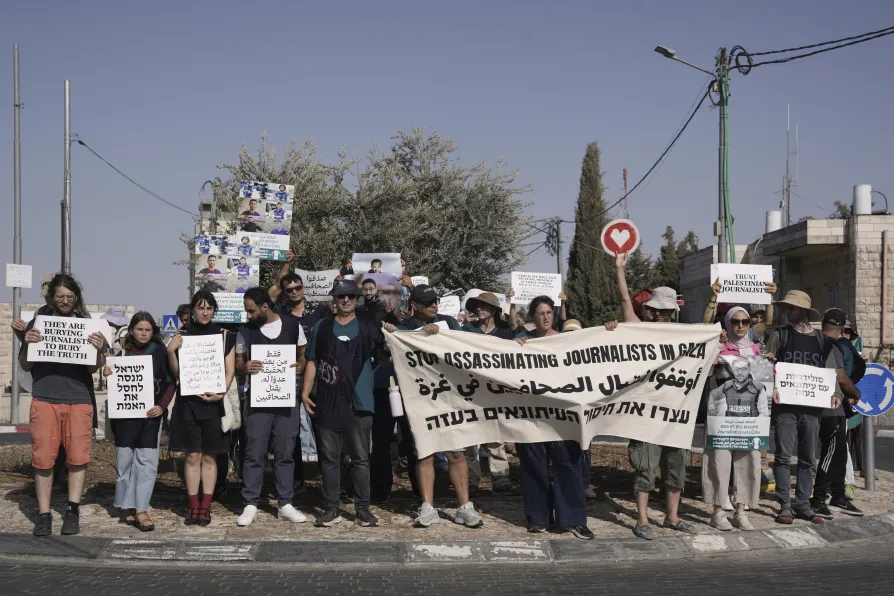
With foreign media banned from Gaza, Palestinians themselves have reversed most of zionism’s century-long propaganda gains in just two years — this is why Israel has killed 270 journalists since October 2023, explains RAMZY BAROUD