Committee for the Defence of the Iranian People’s Rights general secretary GAWAIN LITTLE discusses the impact of the US-Israeli war on the Iranian people and economy


 Latest editorial

Time to get your parsnips in a row
Commiserations if you failed this year, MAT COWARD offers six points which, if followed religiously, will ensure you succeed next year
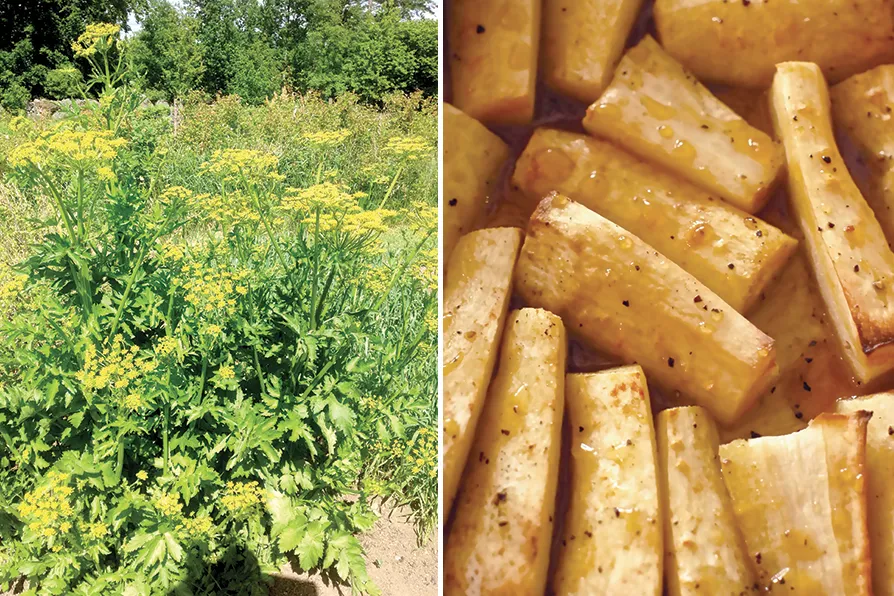 (L to R) Flowering parsnip in its second year; Oven baked parsnip with honey and mustard / Pics (L to R): Pic: Skogkatten/CC Takeaway/CC

Capitalism has extracted itself from crisis before, argues PRABHAT PATNAIK – but through methods no longer available. So it is turning to authoritarianism, militarism and neocolonialism
The five young men killed in the A66 crash were responsible for a devastating tragedy — but the crash should force us to ask difficult questions about wider society, argues RENATA MEDEIROS MIRRA
Britain funds the policing of black culture 16 times better than the culture itself. The Diamond Jubilee is the moment to end that, argues CLAUDIA WEBBE
Despite Andy Burnham’s declaration defending the continued partition of the island, all major international and internal trends are converging to make Irish reunification inevitable
Humans are part of the ‘animal kingdom’ – and of nature in general – but also distinct from it and labour (work) is part of what makes us unique, declared Engels. His insights 150 years ago into how our species came to be and how we differ from the rest of nature, are as important today as they were then, says the MARX MEMORIAL LIBRARY





Gardening
IF THE parsnips you grew for Christmas werent too good this year, here’s some suggestions that might give you better results in 2026.
1. Buy a new packet of seeds. Many vegetable seeds will last for years, but snips can lose their viability very quickly even in an unopened packet. I’ve learned my lesson over the years and now I buy new seed every time.
And take your time choosing the right variety for your conditions — there are some recommended for heavier and lighter soils, for general or particular disease resistance, and for reliability.
When a vegetable cultivar is described in a catalogue as “reliable,” it often means that it’s not necessarily the tastiest or the biggest, but that it’s probably the simplest to grow.
2. Don’t begin too early. It’s long been traditional to sow parsnip early in the year but I suspect this has more to do with growing roots for the local produce show than for the dinner table.
I never sow mine before mid-April, and even then only if the weather suits. In some years I’ve started them off as late as June, and still had roots of an edible size by December.
As with almost all the annual vegetables we grow in this country, the best idea is to wait until the soil has warmed up.
3. Start them in modules. Gardening books still tell you that snips can’t be transplanted, and it’s just not true any more. That advice might have been right years ago, when it referred to transplanting seedlings from a nursery row or seed tray to their final position.
But today we have the advantage of sowing seeds into cellular trays, root-trainers and the like, so that when you transfer the young plant you’re doing so without disturbing the ball of soil gathered around its roots.
By starting off under cover, for instance in an unheated greenhouse, you avoid the worst of the weather and of the slugs. Parsnips seeds can notoriously be very slow to show, and that’s the other advantage of this method: you’re not wasting garden space on sowings that might never germinate.
4. Buy plants! There are one or two nurseries now that sell parsnip seedlings online from late spring. I’ve tried them, and they worked really well.
They arrive as plug plants, and you simply plant them out at the usual spacing. A bit costly, of course, compared to seeds, but a good back-up in the event of failed germination.
5. Let the snips do their own thing. Bit radical, but worth experimenting with; last year I left an overlooked plant in the ground and its foliage eventually reached my height. It’s now surrounded by seedlings. If I was to thin them out, might they produce next year’s crop?
6. Above all, remember that when your Christmas guests claim not to like parsnips, it’s only because they haven’t yet tasted yours — so be sure to whack a double helping onto their plates.

Similar stories

MAT COWARD says the heatwave is a testing time for gardeners — but he has some tips
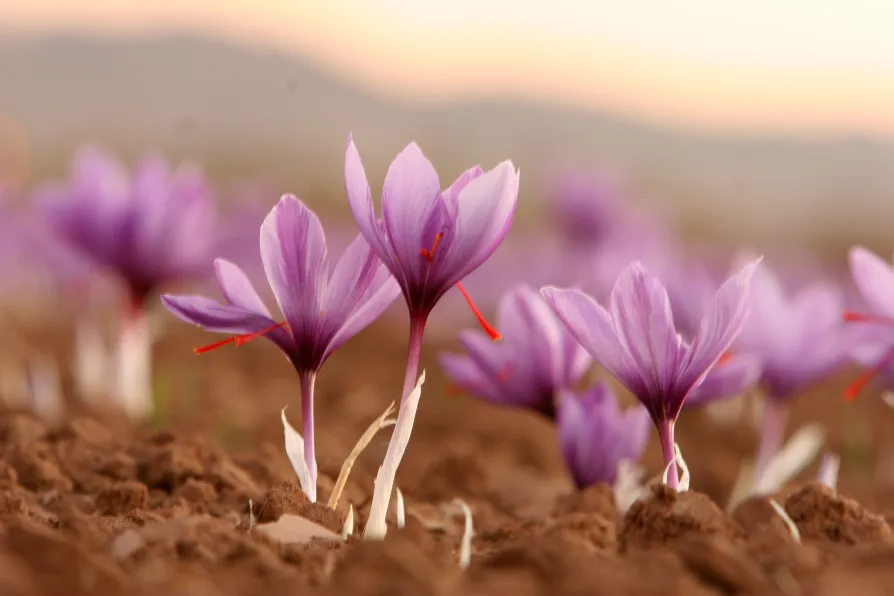
More expensive by weight than gold, saffron is surprisingly simple to grow. MAT COWARD explains
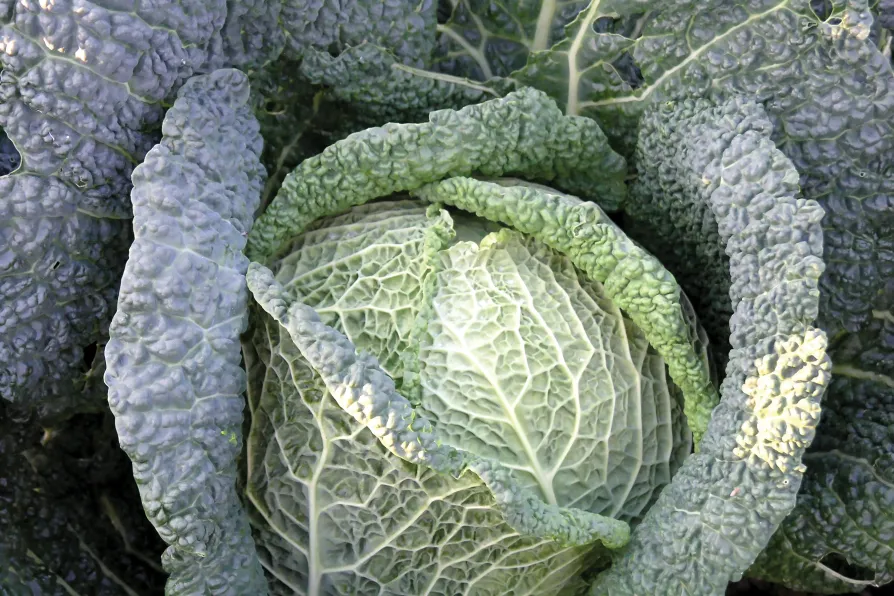
MAT COWARD takes a look at some of the options for keen gardeners as we enter 2026
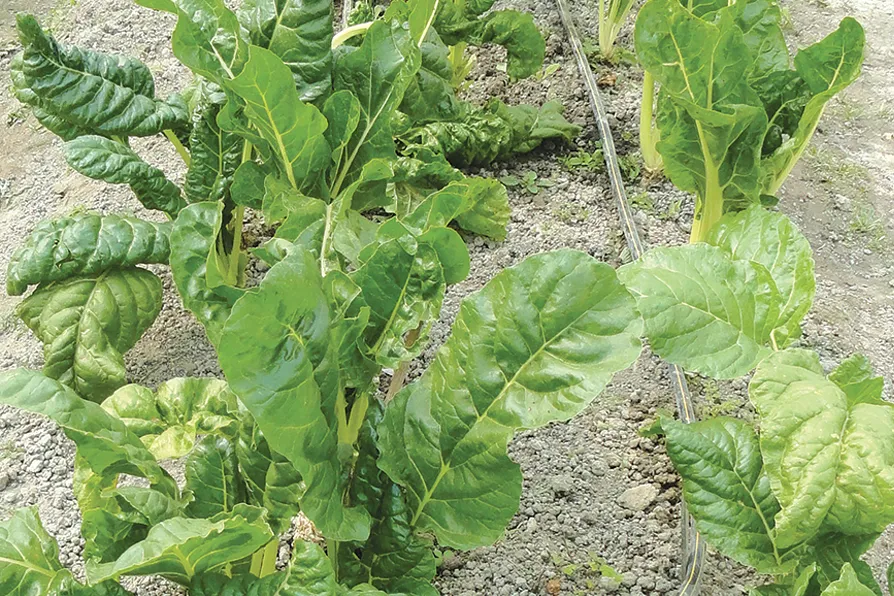
MAT COWARD sings the praises of the Giant Winter’s full-depth, earthy and ferrous flavour perfect for rich meals in the dark months