
The US administration is endangering lives by reversing environmental protection laws, CHAUNCEY K ROBINSON argues

Strategic autonomy or Stockholm syndrome: whither Europe?
CARLOS MARTINEZ condemns Europe’s failure to develop genuine autonomy from US hegemony, as leaders like Starmer and Macron cling to a declining imperial order rather than building good relations with the emerging powers
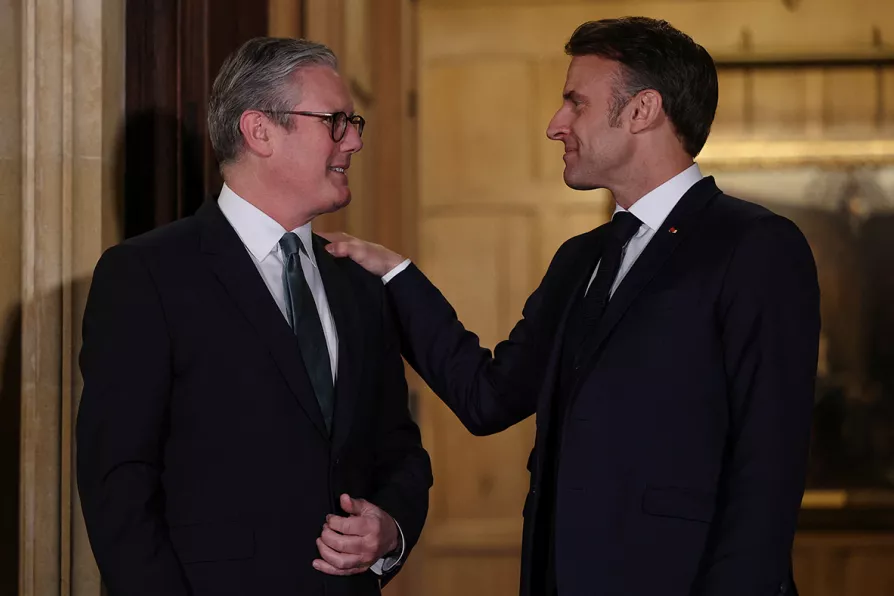
 Prime Minister Sir Keir Starmer with French President Emmanuel Macron during his visit to Chequers, the country house of the serving British Prime Minister, near Aylesbury, Buckinghamshire, January 9, 2025

It’s time to stop retreating and go on the offensive to promote working-class interests, argues DOUG NICHOLLS
Marco Rubio wants to defeat socialism in Nicaragua, not restore ‘democracy,’ writes JOHN PERRY
Believe it or not, there was a time when the US government built beautiful homes for working‑class Americans to deal with a housing shortage, writes ERAN BEN-JOSEPH
DIANE ABBOTT provides an analysis of the reasons for EU and British voters’ dramatic swing to the right
Train drivers’ union Aslef general secretary DAVE CALFE speaks to Ben Chacko about his hopes that Burnham’s devolution agenda will include the importance of the railway





POLITICAL leaders in western Europe occasionally like to talk up the need for “strategic autonomy” from the US. Emmanuel Macron in particular placed it at the centre of his foreign policy platform at the start of his presidency eight years ago, and has raised the issue several times since.
The idea of Europe exercising strategic autonomy rather than simply outsourcing its foreign policy to Washington is not new, but rather a reiteration of Charles de Gaulle’s ideas on international relations from the 1950s.
There have been a handful of noteworthy examples of its deployment in the 21st century. France, under president Jacques Chirac, and Germany, under Chancellor Gerhard Schroder, refused to participate in the 2003 invasion of Iraq.

Similar stories
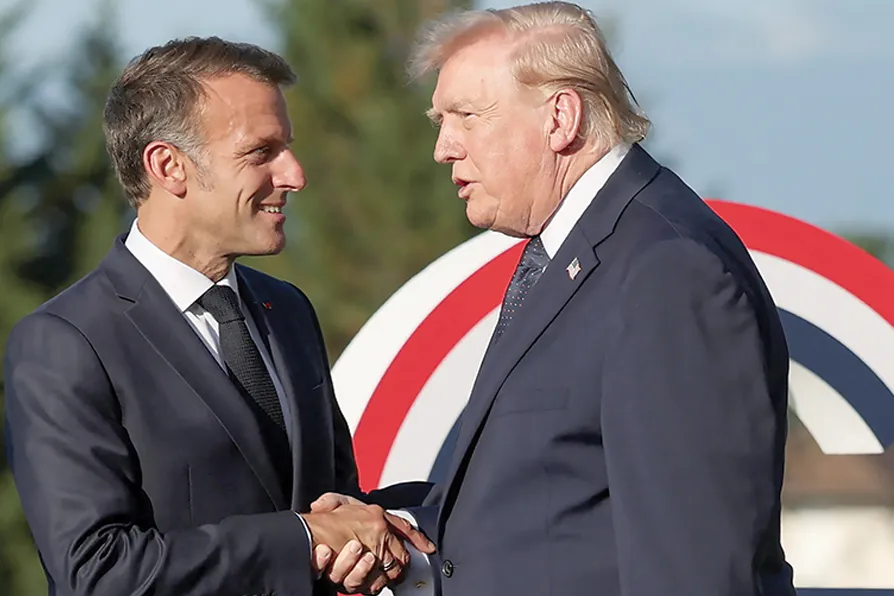
While millions face poverty and public services are squeezed, France is committing billions to defence spending and weapons production, in a dangerous shift towards permanent preparation for war, says CONOR BOLLINS

Friedrich Merz’s call for a new Plaza Accord ignores how Washington’s 1985 currency ambush destroyed Japan without fixing US deficits — China, a sovereign socialist state with 1.4 billion consumers, cannot be bullied the same way, writes CARLOS MARTINEZ
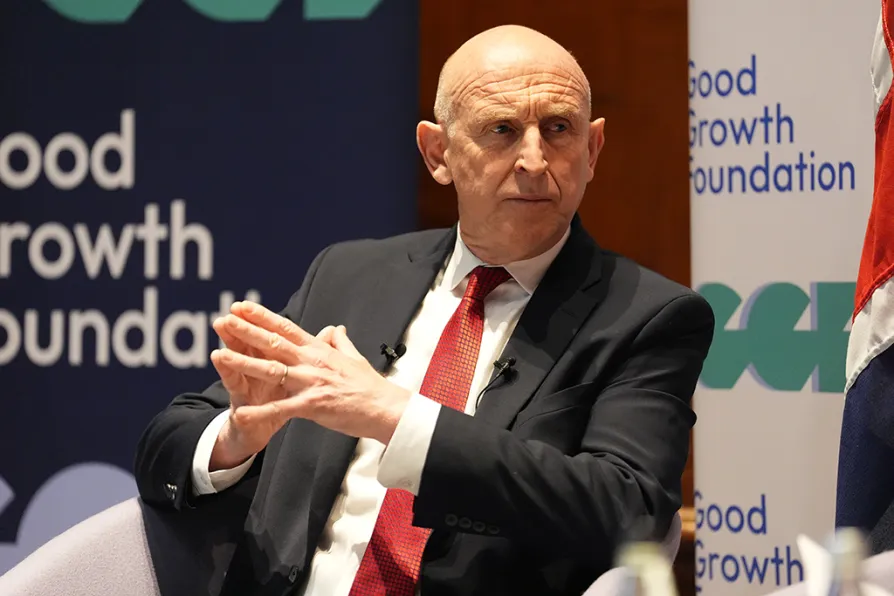
The defence secretary’s resignation reveals not a split over principle but a dispute over pace of military spending, as Britain’s political Establishment unites behind deeper Nato commitments, argues NICK WRIGHT

Western nations’ increasingly aggressive stance is not prompted by any increase in security threats against these countries — rather, it is caused by a desire to bring about regime changes against governments that pose a threat to the hegemony of imperialism, writes PRABHAT PATNAIK