
Washington’s inability to subjugate Iran is an example of how it is trying to preserve a regional order that no longer exists, argues RAMZY BAROUD


Real power for the people of Wales: a vision for a fair, green and socialist future
DAVID MORGAN profiles the Communist Party’s manifesto for the Senedd elections 2026
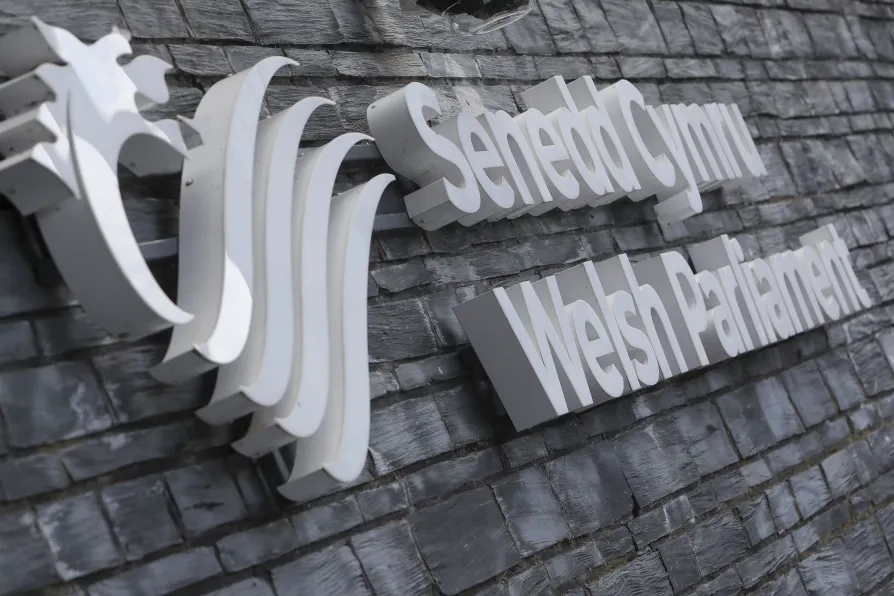
 The sign for the Senedd, the Welsh parliament building in Cardiff

US financial instability is exposing the limits of a dollar-dominated global economy — and giving the Global South a historic chance to build an alternative, says MURAD QURESHI
DOUG NICHOLLS says the parasitic finance markets must be challenged or another British government could be toppled
The late country singer’s Imagination Library has put hundreds of millions of books into children’s hands. We should build on that legacy by defending the libraries at the heart of our communities, says BRENDA AITCHISON
Deprivation is a fundamental factor in criminal behaviour that must be addressed but, KENNY MacASKILL argues, there needs to a major rethink in sentencing to tackle overcrowding
MML director MEIRIAN JUMP outlines the recently refreshed library’s busy autumn schedule that ranges from book sales, archival exploration, community work with online education and the ever popular site tours
TONY BURKE surveys the shifting political landscape and the challenges Labour needs to address if it is to prevail in the 2028 federal elections





IN THIS Senedd election the people of Wales require more than simply opposition to the hate and division peddled by Reform UK.
Recognition of the failure of the current system is essential. People want and deserve real and fundamental change.
The Communist Party, contesting the two seats of Caerdydd Penarth and Bangor, Conwy Mon, aren’t about to form the next Welsh government. We are hoping to articulate the socialist truths shared by so much of our population, and to inspire the left across all progressive parties.
Wales stands at a crossroads. For too long, economic power and political influence have been concentrated in the hands of a privileged few, while ordinary people face rising living costs, insecure employment, inadequate housing, and overstretched public services. The need for meaningful change has never been more urgent. A new vision is required — one rooted in fairness, sustainability and genuine democracy.
At the heart of this vision is a simple but transformative idea: power should belong to the people. This means going beyond the limited form of democracy that only allows citizens to vote every few years. Instead, it calls for a system in which people have real influence over the decisions that shape their daily lives — whether in the workplace, their communities or at the national level.
Extending democracy into the workplace is a key part of this transformation. Workers must be enabled to exercise their collective power in decisions about pay, conditions, investment and restructuring. Strengthening trade union rights is essential to achieving this, ensuring that workers can organise, negotiate and act in solidarity without fear of legal interference. At the same time, local communities and authorities must be empowered with greater control over services and development, enabling decisions to be made closer to the people they affect.
This vision also recognises the importance of strengthening Welsh self-government. While devolution has brought some important gains, such as free prescriptions and protections against privatisation, it remains limited. There is a growing need to defend and expand the powers of the Senedd, ensuring that decisions affecting Wales are made in Wales, in the interests of its people.
Economic transformation is another central pillar. Decades of deindustrialisation and reliance on market forces have left many communities behind. A new approach is needed, one based on democratic planning and public ownership.
This includes protecting jobs, preventing exploitative practices such as mass redundancies and “fire and rehire,” and taking strategic industries into public ownership when necessary. Establishing a national economic authority could help guide investment and ensure that both public and private resources serve the common good.
Alongside economic reform, tackling the climate crisis is an urgent priority. Wales has the opportunity to lead the way in building a greener future, but this must be done through a “just transition” that protects workers and communities. Investing in renewable energy, bringing key services like transport and energy into public ownership, and expanding affordable public transport are all essential steps. Environmental policies must also prioritise food security, sustainable land use, and protection against climate-related risks such as flooding.
Public health and care systems are equally vital. The experience of recent years has highlighted the dangers of privatisation and fragmented services. A strong, fully public healthcare system is essential, alongside a comprehensive, publicly funded care service that is free at the point of need. Improving health outcomes also requires addressing the social factors that contribute to illness, including poor housing, pollution, and low incomes.
Central to a fair society is the recognition and valuing of care work. Much of this work, both paid and unpaid, is carried out by women and remains undervalued. Providing better pay, secure contracts and stronger rights for care workers is crucial, as is offering greater support for unpaid carers through measures such as improved parental leave, childcare provision and pension protections.
Housing is another fundamental issue. A secure, affordable home should be a basic right, not a source of profit. Addressing the housing crisis will require a major programme of social house building, stronger tenant protections, and action to bring empty properties back into use. Ending homelessness and overcrowding must be treated as an urgent national priority.
Education also plays a vital role in shaping the future. A fair system should nurture potential rather than reinforce inequality. This includes reforming assessment methods, investing in public education, expanding access to Welsh-medium learning, and ensuring that further and higher education are free and accessible. Young people in particular need support through secure employment opportunities, affordable housing, and accessible public services.
Cultural and linguistic development must not be overlooked. The Welsh language and cultural industries are integral to national identity and should be actively supported through co-ordinated policies, investment in media and the arts, and stronger integration into education and community life.
To fund these ambitions, a fairer economic system is required. This means scrapping the Barnet formula and replacing it with a needs-based funding system. It also means reforming taxation to ensure that wealth is distributed more equitably, increasing taxes on corporate profits and wealth, and giving Welsh institutions greater powers to borrow and invest. Public spending should also prioritise local jobs and industries, strengthening communities from within.
Finally, this vision extends beyond Wales itself. It is grounded in principles of international solidarity, peace and co-operation. Opposing war and exploitation and standing alongside working people globally are essential components of a just and humane society.
The challenges facing Wales are significant, but so too is the potential for change. By embracing a model based on socialism, democracy, equality and sustainability, it is possible to build a society where wealth is shared, communities are empowered, and human needs come before profit. Real power, ultimately, lies in collective action — and it is through this that a better future for Wales can be achieved.
You can download the manifesto at welshcommunists.org/senedd-elections-2026.
