
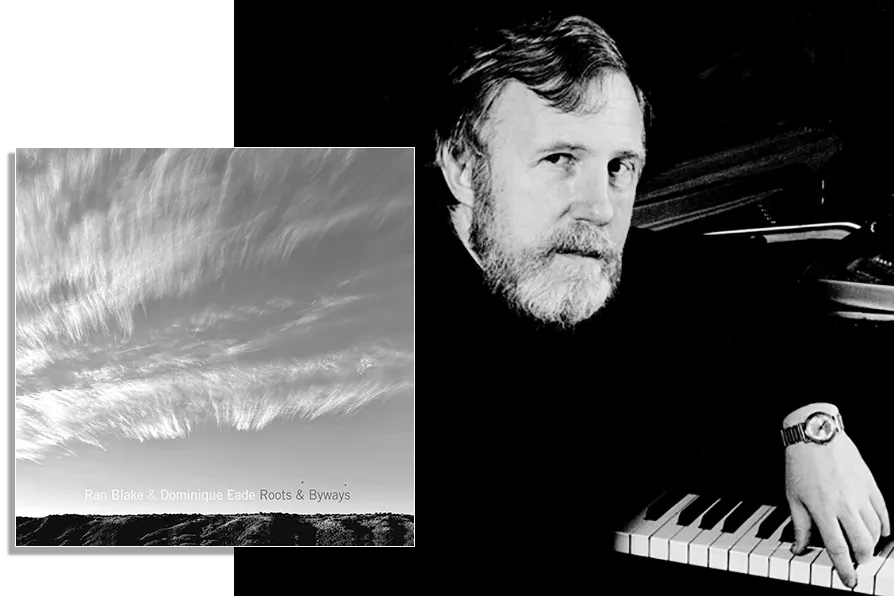
Chris Searle speaks to US pianist RAN BLAKE


A man for all seasons
WILL PODMORE recommends an excellent and useful introduction to a lesser-known giant of the scientific revolution in Britain
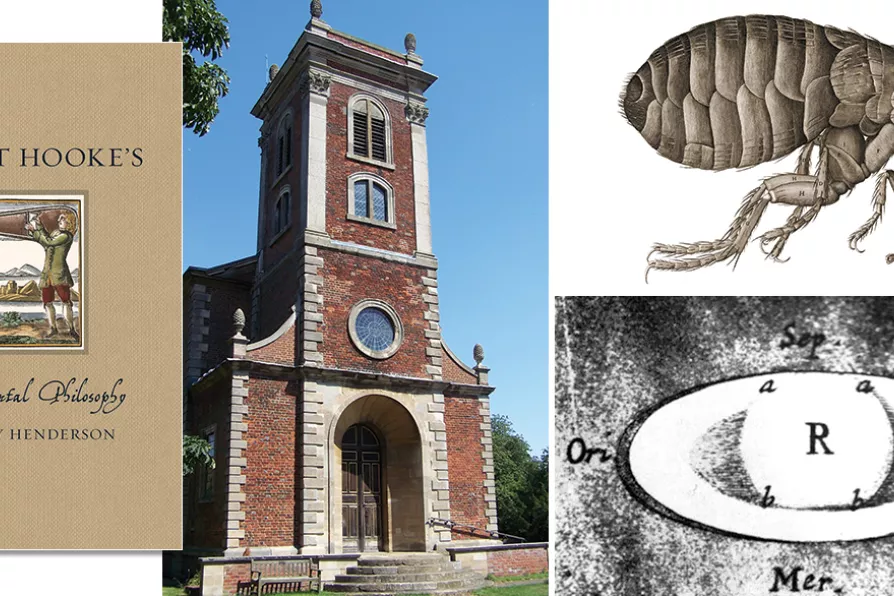
 A MAN FOR ALL SEASONS: (L to R) Church of St Mary Magdalene at Willen, Milton Keynes, designed by Hooke; An illustration of a flea “made by magnifying glasses with observations and inquiries thereupon, 1665”; a drawing of Saturn by Robert Hooke, 1666
[Chris Nyborg/CC; Public Domain]
A MAN FOR ALL SEASONS: (L to R) Church of St Mary Magdalene at Willen, Milton Keynes, designed by Hooke; An illustration of a flea “made by magnifying glasses with observations and inquiries thereupon, 1665”; a drawing of Saturn by Robert Hooke, 1666
[Chris Nyborg/CC; Public Domain]
EWAN CAMERON trawls the Edinburgh fringe for new political drama
In a season of Greek mythology NIAMH THORNTON looks at an intriguing relocation of Medea to contemporary Mexico
By chance, RENATA MEDEIROS MIRRA comes across a fine new two hander about the enduring legacy of the Miners' strike
Rescue care from the realm of sentimentality: what happens when we replace the vertical relationship between benefactor and victim with interdependence, collective organisation and struggle?
New releases by Interpol, Phoebe Bridgers, Lambchop





Robert Hooke’s experimental philosophy
Felicity Henderson, Reaktion Books, £17.95
ROBERT HOOKE (1635-1703) was one of the key figures in the development of science in Britain. This excellent study, illustrated with Hooke’s own drawings and diagrams, and with pictures of instruments he designed, expounds Hooke’s approach to science.
He was one of the first to see that the new experimental philosophy – what we today call science – had the potential to improve human life beyond recognition.

Similar stories
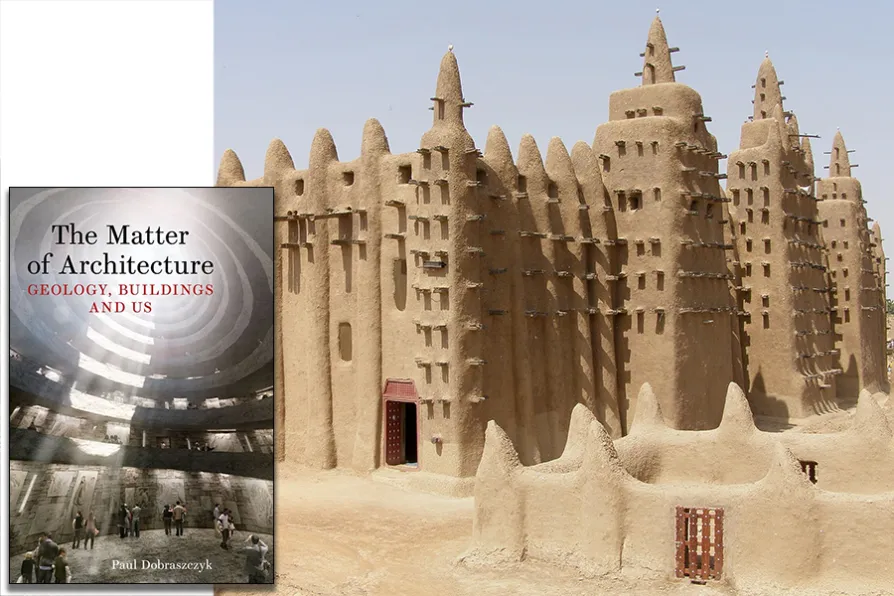
JAMES WALSH is moved by a provocative and original take on the relationship between ecology and architecture, and a plea to work with, not against, the materials and minerals of our world
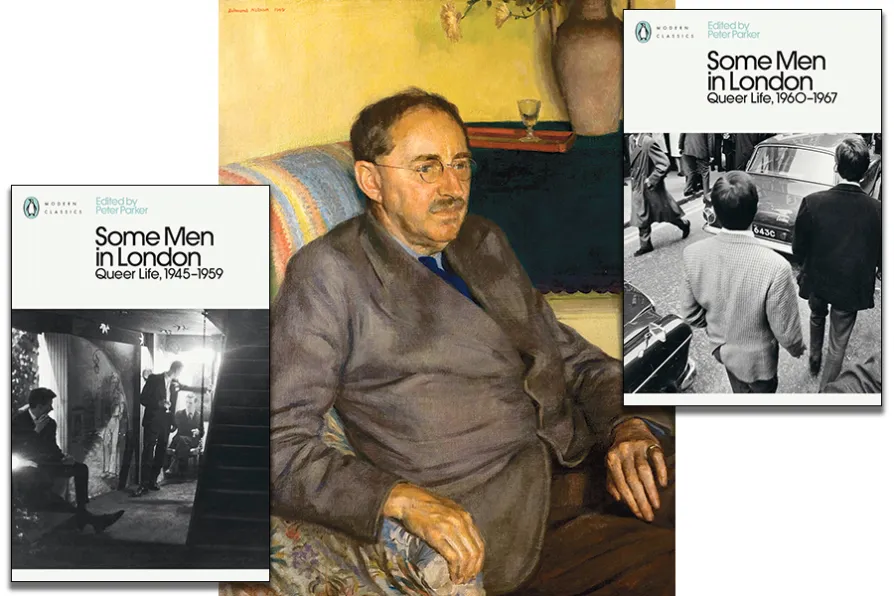
MATTHEW HAWKINS welcomes an engaging and nourishing account of the queer subculture that flourished in London between WWII and partial decriminalisation
BEN CHACKO unpicks the significance of the discovery, in 2015, of ancient texts about Confucius. Was he simply a teacher, or a philosopher, statesman and saint?
JOHN GREEN’s palate is tickled by useful information leavened by amusing and unusual anecdotes, incidental gossip and scare stories