
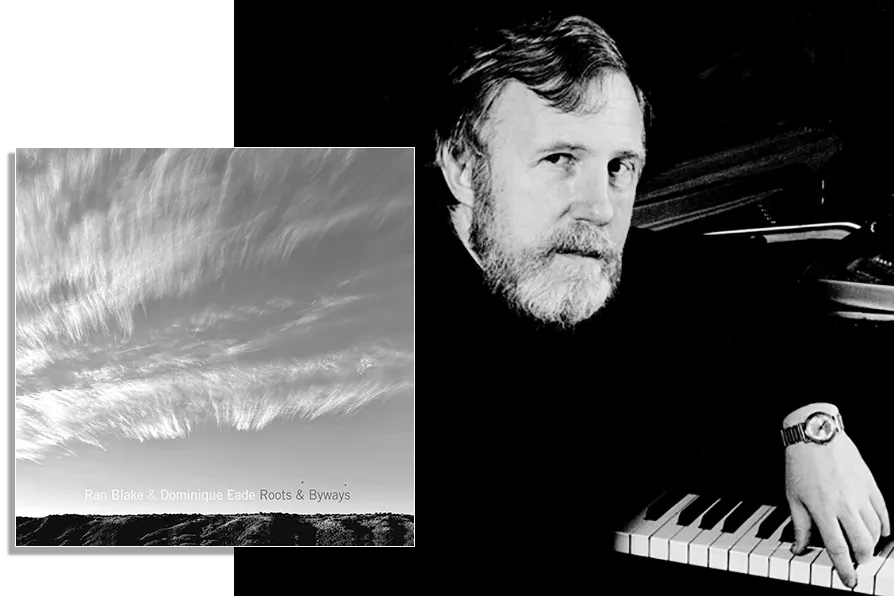
Chris Searle speaks to US pianist RAN BLAKE


The long reach of the medieval Islamic workforce
WILL PODMORE is enthralled by the convincing case that guilds of Islamic craftsmen were responsible for the European gothic style
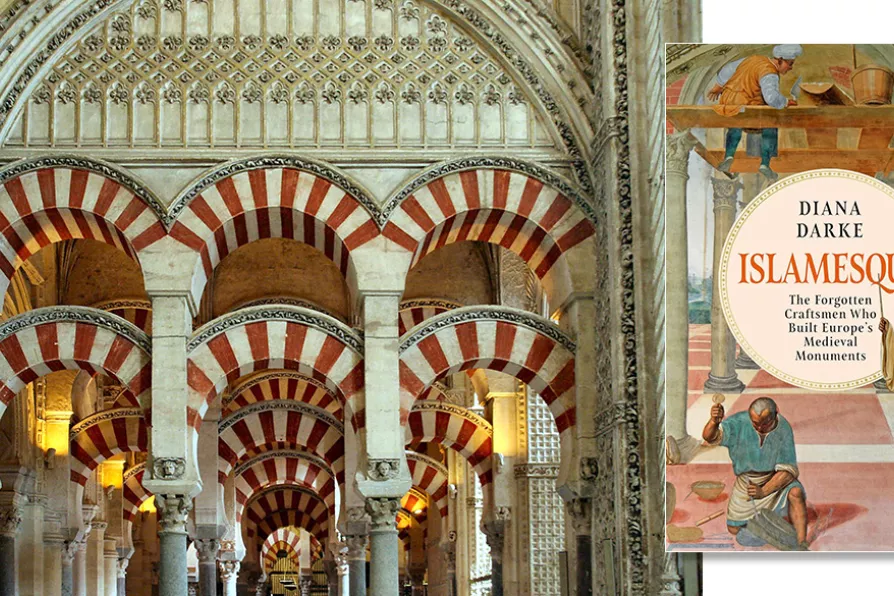
 EVOLUTION OF GOTHIC FROM ISLAMIC: Arches of the former mosque, the Cordoba Mezquita, in traditional Islamic style and completed in 971, are incorporated into the Gothic style of the transept of the Main Chapel (1523)
[Daderot/CC]
EVOLUTION OF GOTHIC FROM ISLAMIC: Arches of the former mosque, the Cordoba Mezquita, in traditional Islamic style and completed in 971, are incorporated into the Gothic style of the transept of the Main Chapel (1523)
[Daderot/CC]
EWAN CAMERON trawls the Edinburgh fringe for new political drama
In a season of Greek mythology NIAMH THORNTON looks at an intriguing relocation of Medea to contemporary Mexico
By chance, RENATA MEDEIROS MIRRA comes across a fine new two hander about the enduring legacy of the Miners' strike
Rescue care from the realm of sentimentality: what happens when we replace the vertical relationship between benefactor and victim with interdependence, collective organisation and struggle?
New releases by Interpol, Phoebe Bridgers, Lambchop





Islamesque: the forgotten craftsmen who built Europe’s medieval monuments
Diana Darke, Hurst, £25
THIS is a wonderful book, fully and colourfully illustrated. Diana Darke is an Arabist and cultural expert who has lived and worked in the Middle East for over 30 years. She describes beautifully hundreds of cathedrals, churches, monasteries, palaces and castles.
She challenges the conventional wisdom that only Rome could be the source of Christian architecture. The accepted idea is that the “Romanesque” style simply emerged between 1000 and 1250 across the whole of Europe, making it the first pan-European architectural style since Imperial Roman.

Similar stories
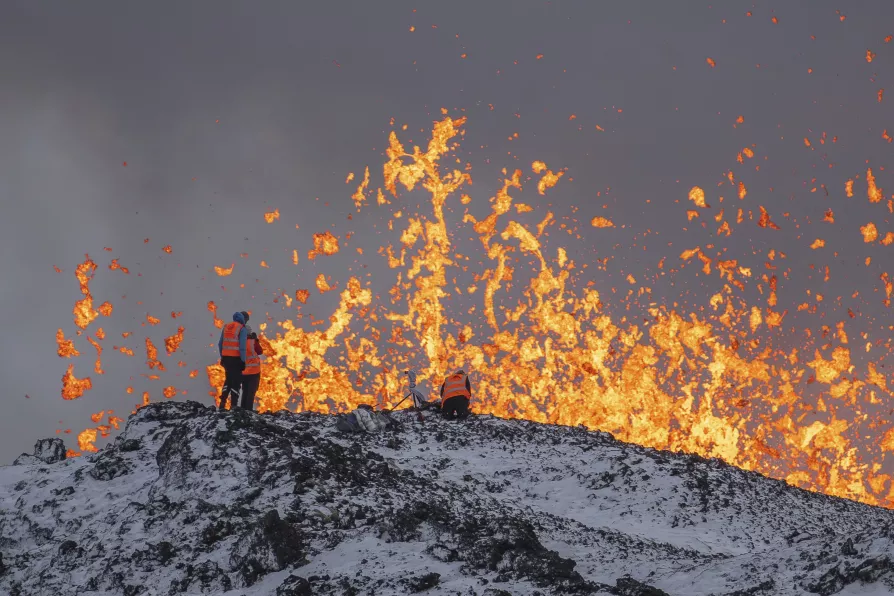
ALEX BROWN explains how medieval Europe was plunged into sunless years, with widespread crop failures and devastating famines
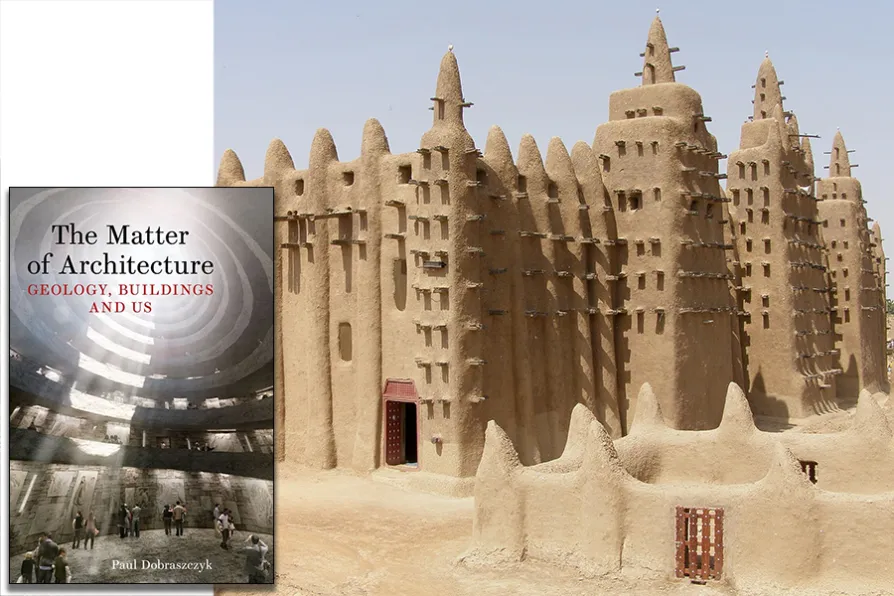
JAMES WALSH is moved by a provocative and original take on the relationship between ecology and architecture, and a plea to work with, not against, the materials and minerals of our world
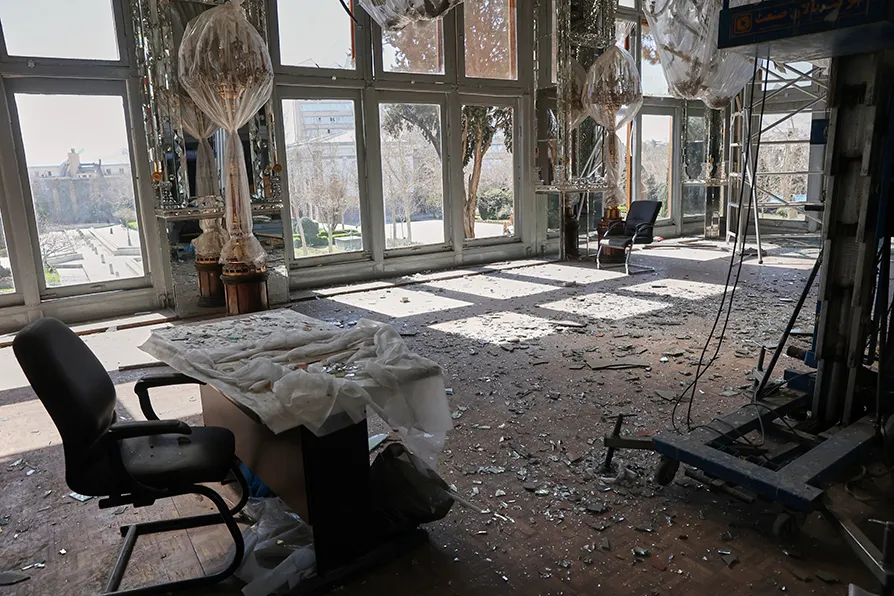
KATAYOUN SHAHANDEH surveys Iran’s cultural heritage and explains what has been damaged and what could be lost
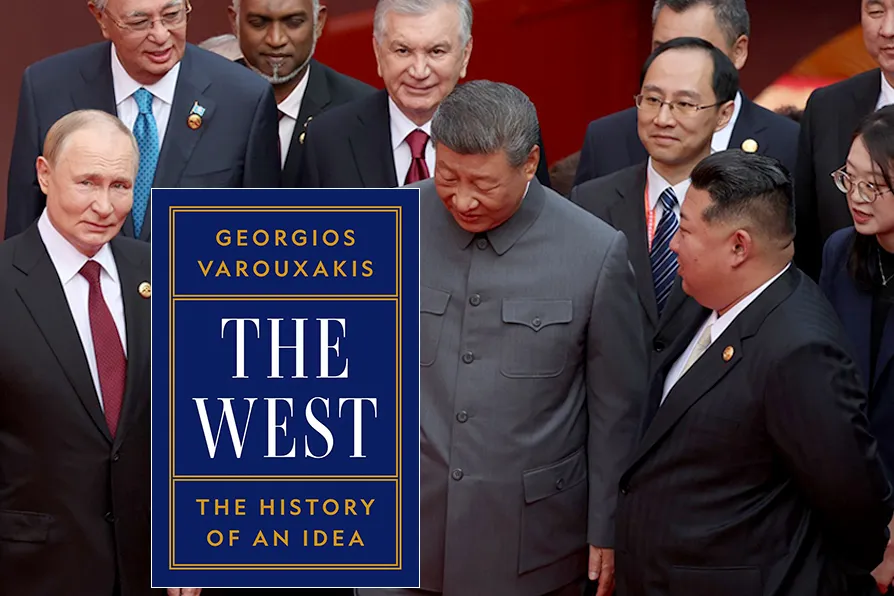
BRENT CUTLER is intrigued by the imperialist, supremacist and contradictory history of a word that is used all too easily