

 Latest editorial

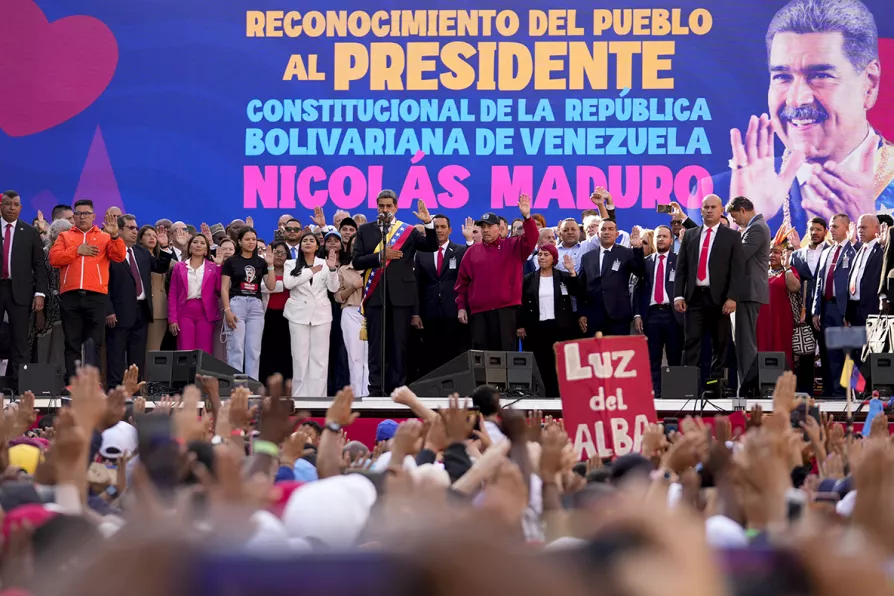 Venezuelan President Nicolas Maduro (centre) addresses supporters accompanied by Nicaragua's President Daniel Ortega (centre right) on his inauguration day for a third term at Miraflores presidential palace in Caracas, Venezuela, January 10, 2025
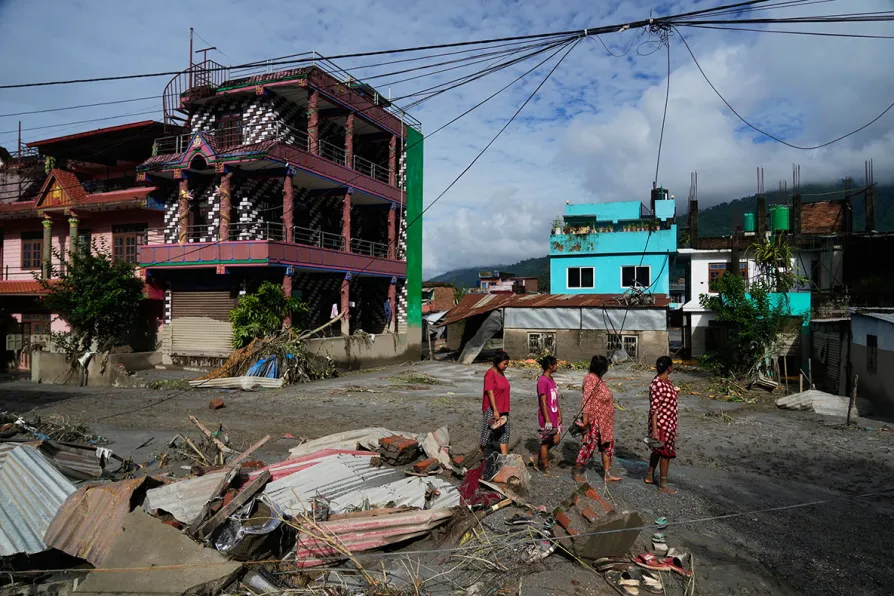





THE International Anti-Fascist World Festival came to a close in the Venezuelan capital Caracas on Saturday.
The 2,000 delegates from 125 countries called for the consolidation of international anti-fascist action.
President of Venezuela, Nicolas Maduro, closed the festival by thanking delegates “on behalf of all of Venezuela,” saying that “we are at peace, in democracy, in full exercise of our national sovereignty, and the people are moving forward in this new stage.”

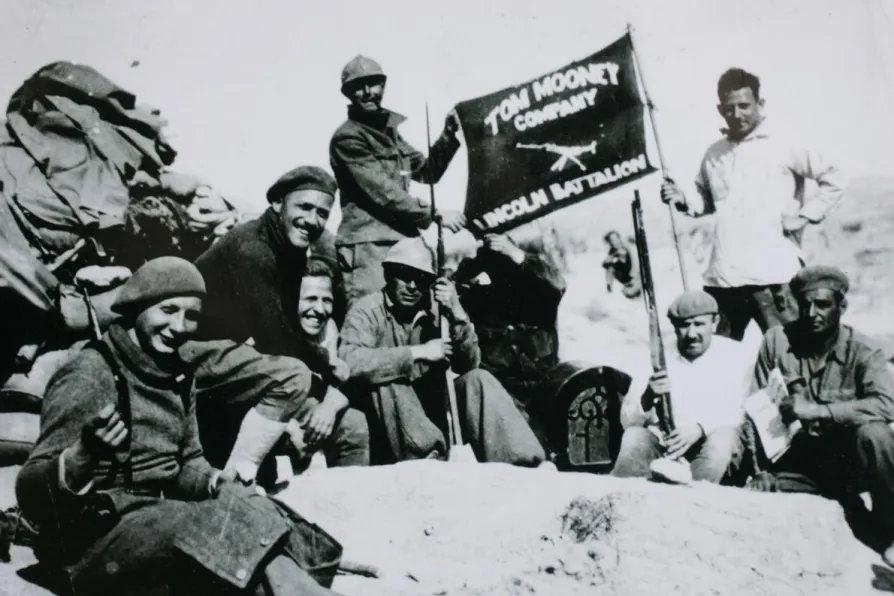
CJ ATKINS commemorates one of the most dramatic moments in working-class history
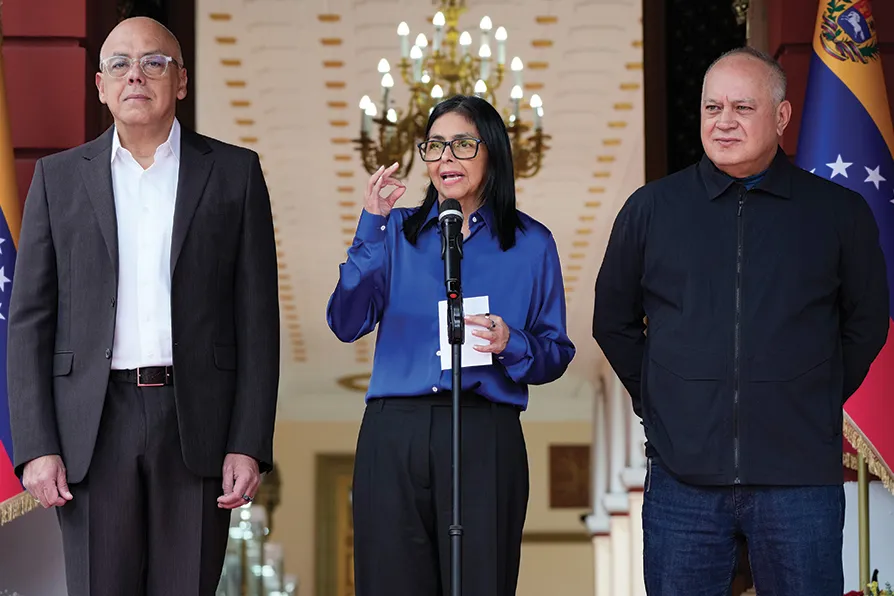
International solidarity can ensure that Trump and his machine cannot prevail without a level of political and economic cost that he will not want to pay, argues CLAUDIA WEBBE
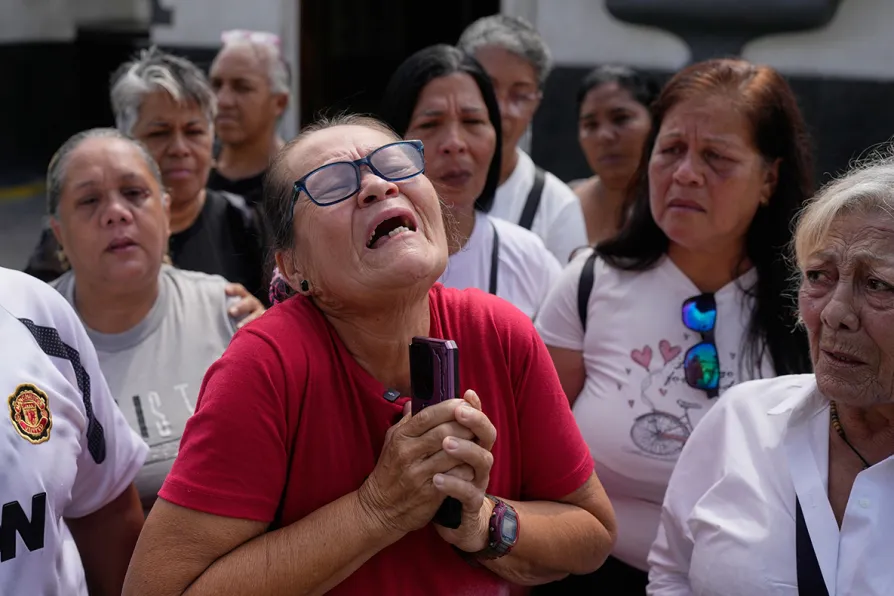
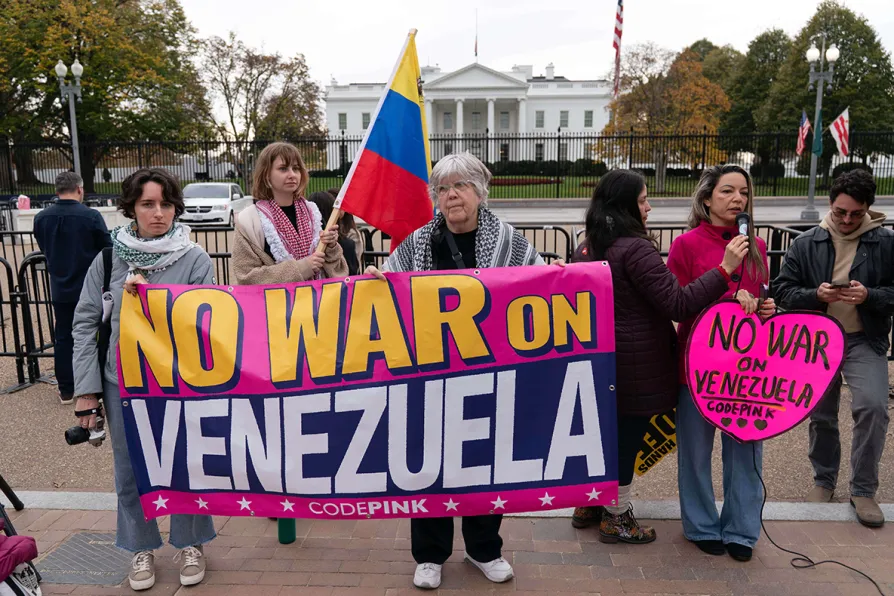
The global left must be unwavering in it is support for Venezuela as Washington increases its aggression, and clear-eyed about the West’s cynical motives for targeting it, says CLAUDIA WEBBE