TUC president and POA leader STEVE GILLAN speaks to Ben Chacko on the eve of Congress 2026


 Latest editorial
Interesting times, urgent choices for Midlands workers
Midlands trade unionists are turning challenge into opportunity through collective power and renewed confidence, says STUART RICHARDS
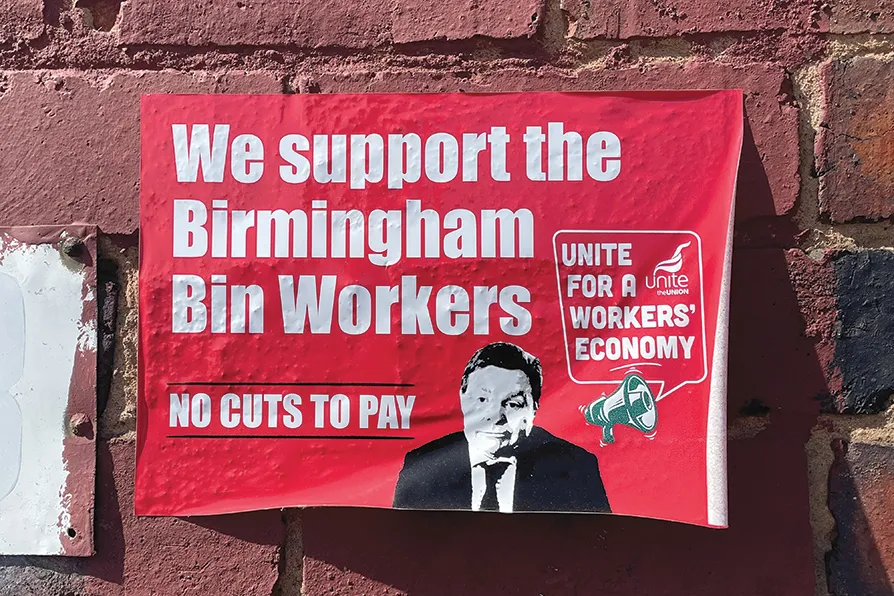 THE WRITTING IS ON THE WALL: A Unite union campaign poster next to refuse depot in the Tyseley area of Birmingham, July 10 2025

DOUG NICHOLLS welcomes a turning point at this year’s Congress, where many motions call for a co-ordinated plan to revive British industry, a perspective outlined in his new book
HOPE VIRGO of campaign Dump the Scales warns MPs voting today they should be alert to the threat legalised assisted death poses to people with eating disorders
The Together Alliance is hosting two summits, North and South, to build power and plan action against the scourge of racism peddled by the right. DANIEL KEBEDE urges mass participation
The drift toward militarisation in Europe is not inevitable, left-wing and peace movements can preserve sovereignty and prevent war, says DÁIRE HUGHES MP
Whatever differences exist among international sympathisers of the Bolivarian revolution about its current trajectory, they should unite against the imperialist power that is the source of an enforced retreat, argues ROGER D HARRIS
Trade unions need to step up and force a turn in the policies of the labour movement to effectively confront the far-right threat, argues NICK WRIGHT





THERE is a quote by the author Terry Pratchett that says: “There is a curse. They say: May you live in interesting times.” As delegates from across the Midlands’ union movement come together for the 2026 TUC Midlands annual conference, it is safe to say that most of them will agree.
Over the last year, issues including rising energy bills, tariffs, foreign wars and cyber-attacks, have hit workers’ jobs in the region’s traditional unionised industries.
Less than 80 years ago, the ceramics industry employed 79,000 workers just in the Staffordshire Potteries. Today, with job losses in Moorcroft, Denby, Portmeirion, Royal Stafford and Wedgewood, the number of UK workers in the industry has fallen to below 20,000.
In our cultural sector, we have seen two of the regions’ largest councils remove 100 per cent of arts funding. Combined Arts Council England (ACE) investment in the Midlands from 2023-2026 stood at £276.5 million — this equates to £24.80 per capita. Significantly less than the per capita figures of £28.38 in the North, and £56.79 in London.
As a depressing cherry on top of the funding cuts cake, the Midlands also receives the lowest BBC service spend of any nation or region.
The challenges are not just industrial; they are also political. At a time of increased division, with violent and racist incidents in the region on the increase, the Midlands has seen Reform UK take control of a mayoral authority, overall control in six councils and minority control in a further two.
Alongside token far-right gestures and inept governance, we have seen public statements targeting workers and calling for the removal of our hard-won rights.
But the delegates to the conference know that Reform UK do not have the answers. We know that there are people who profit from division and hatred, but it is not working people.
We know that the route to decent, well-paid, and secure jobs is through unionised workplaces. We know that unity works.
Across the Midlands, we have worked to build a network of union activists, trades councils and other organisations to work together in tackling the rise of the far right, not just in communities but also in workplaces. This is especially relevant today as a vast number of our colleagues travel down to London to be part of the Together Alliance.
This goes hand in hand with the amazing work being done every day by union activists across the Midlands to improve the lives of working people.
Whether it is securing the government guaranteed loan to rescue for Jaguar Land Rover, campaigning for dedicated cultural funding or targeted and effective support for workers facing redundancy, our movement has worked together to meet the challenges we face head on.
Despite the restrictions of anti-trade union legislation, we have seen a continued confidence from workers and their unions in using industrial strength to campaign for real improvements.
From the NEU members in the Arthur Terry Learning Partnership Trust to the GMB women workers in Birmingham City Council and Unison members at the Nottingham University Hospitals Trust, Midlands unions are securing significant wins for workers.
We have also seen unions willing to commit to sustained action - Unite members working on Birmingham Bins and PCS members in the Ministry of Housing, Communities and Local Government are two inspirational examples from our region.
The introduction of the Employment Rights Act (ERA) has removed some of the restrictive elements of statutory ballots. Together with the introduction of other measures (such as electronic balloting), this creates a huge opportunity for unions in using our industrial strength.
While we are still fighting to ensure that the ERA is delivered in full and we know that there is much we still need, the reality is that we have secured legislation that is shaped by unions and built by us working together as a movement. It can give us improved access, both physical and digital. It improves the statutory recognition process. It gives us a route to build inclusive growth for working people through decent, unionised jobs.
The delegates to the 2026 TUC Midlands Conference will agree that we live in interesting times. As they debate and agree the motions that set our programme of work for the coming year, they know that curse creates opportunities for us to work together to improve the lives of working people.
Stuart Richards is TUC Midlands regional secretary.

Similar stories
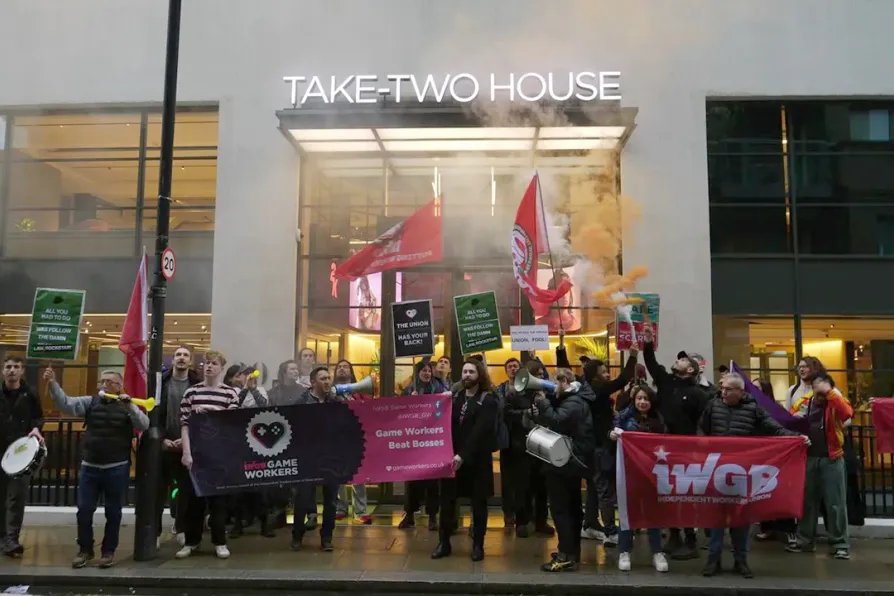
Strike Map co-founder HENRY FOWLER discusses the significance of today’s joint union letter to video game giant Rockstar, demanding trade union recognition for its workers. Their conversation highlights how our movement can harness its collective power to rebuild union power across the private sector

The new Employment Rights Act is a step forward, but restoring collective bargaining and union power remains essential to tackling insecurity, outsourcing and low pay, says PAUL WHITEHOUSE

As delegates meet in Brighton this week, Unison faces pressing questions about pay, organising, workers’ rights and political representation, explains ANDY CHAFFER