LEO BOIX applauds an audacious, self-questioning film about grief, friendship and film-making


 Latest editorial

The grassroots unit of socialism
JOHN GREEN is intrigued by an exploration, both factual and theoretical, of the promotion of communes in Venezuela
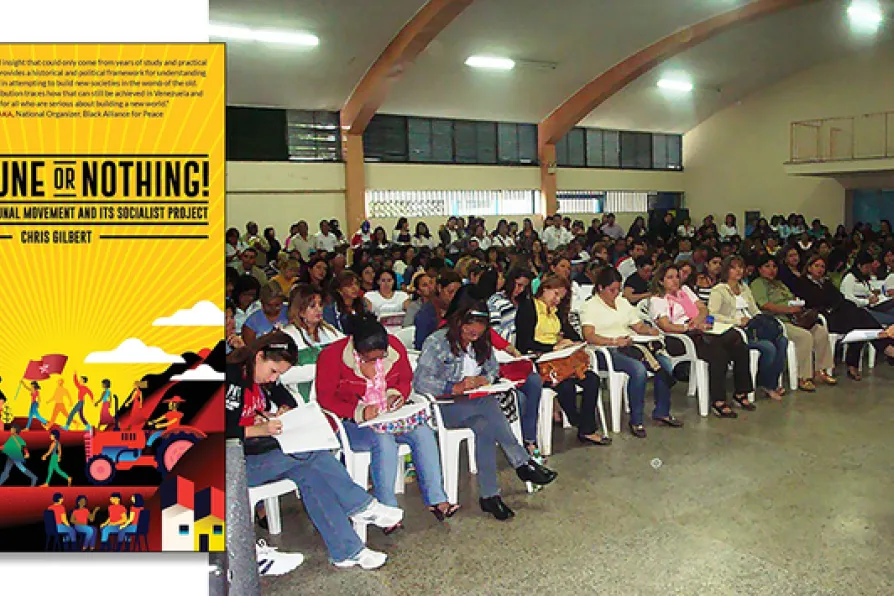 Ruta Socialista UODPYDE: Training Day on Influenza AH1N1
[Tachira/Flikr]
Ruta Socialista UODPYDE: Training Day on Influenza AH1N1
[Tachira/Flikr]

MARY CONWAY admires a brave and topical study of Armageddon that is, unfortunately, unable to come to a conclusion
ANDY HEDGECOCK, JAMES WALSH and JAMIE BRITTON review Hanging by a Wire, I Want Your Sex, The Pout-Pout Fish, and Rise of the Foot Soldier: Retribution
Chris Searle speaks to US pianist RAN BLAKE
EWAN CAMERON trawls the Edinburgh fringe for new political drama
In a season of Greek mythology NIAMH THORNTON looks at an intriguing relocation of Medea to contemporary Mexico





Commune or Nothing! Venezuela’s Communal Movement and Its Socialist Project
Chris Gilbert, Monthly Review Press, £19.99
TOWARDS the end of his life, Venezuela’s charismatic president, Hugo Chavez, devoted much attention to establishing and promoting communes as a grassroots form of socialism. With his death and the imposition of vicious US sanctions along with attempts to destabilise the Bolivarian government, the commune movement lost impetus.
While so many of us view the building of socialism as the only solution if humankind is to survive, the key question is how to bring that about. In most countries the idea of a successful socialist insurrection as per the Bolshevik model, a successful coup, or through parliamentary legislation are hardly feasible or realistic options.
Gilbert here argues that a commune movement, as envisaged by Chavez, does offer us a way forward towards the building of socialism in Venezuela and more widely. We can find inspiration for this in past history, at a time when land and even production facilities were held in common and/or served the community rather than being subject to outside capitalist dictates.

Similar stories

JOHN GREEN welcomes a valuable and incisive analysis of a world become hyperpolitical but without the mass movement institutions to represent it

Dignity is important to all humans, argues the Marx Memorial Library and Workers’ School, but it does not come about automatically. In a less than perfect world, dignity can accompany suffering, but the collective dignity of working people is achieved through acting together to change the world.

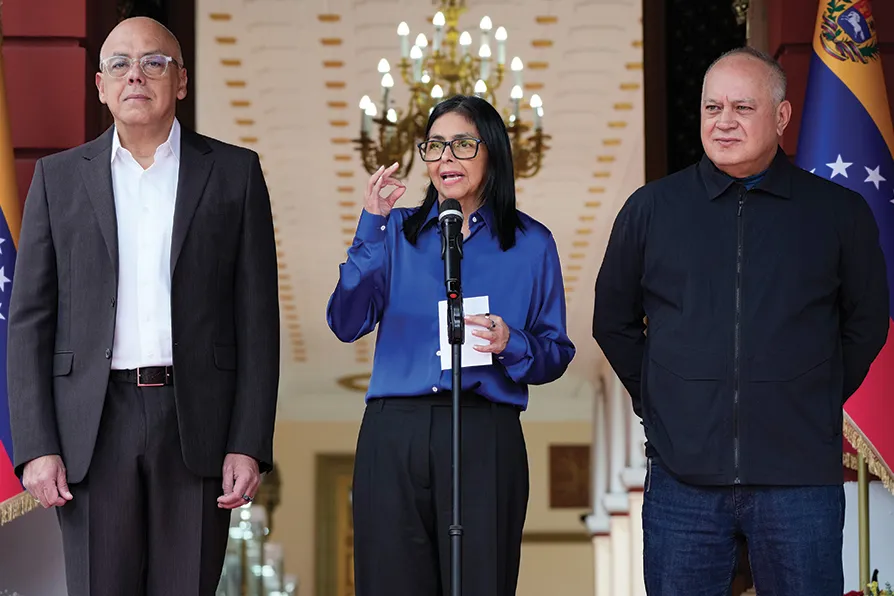
Concessions to Washington by the post-Maduro leadership in Caracas are designed to preserve the core of the Bolivarian Revolution not betray it, argue Roger D Harris, Francisco Dominguez and Mara Paez Victor. How the solidarity movement responds is critical
International solidarity can ensure that Trump and his machine cannot prevail without a level of political and economic cost that he will not want to pay, argues CLAUDIA WEBBE