RITA DI SANTO contemplates two films about journalism that opened this year’s festival


 Latest editorial

Golden anniversary of Orchestra Baobab
TONY BURKE plots the career of the legendary Senegalese band from Dakar nightclubs to Glastonbury
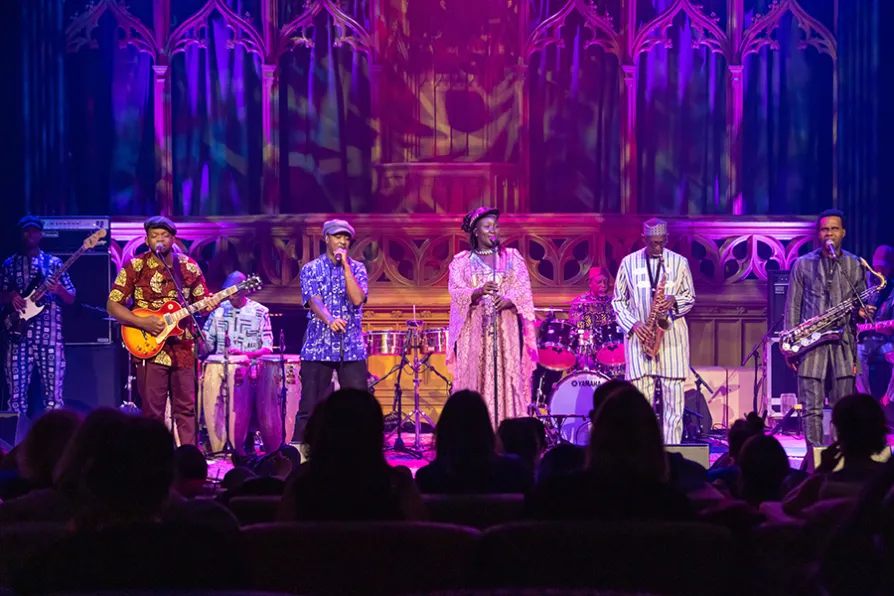 Orchestra Baobab play the Edinburgh International Festival 2026 [Pic: Jess Shurte]


GEOFF BOTTOMS applauds a world-class production King Lear that pits late feudalism against a rising bourgeoisie
MARY CONWAY keeps up with the sheer pace of a drama about the terrible gap between sanitised reporting and real-life turmoil of race and gender
New releases from Brian Fallon, Antony Szmierek and Hollow Hand
PAUL DONOVAN welcomes a revival of Reginald Rose’s classic play that reminds us of the fundamental need for trials with juries





FIFTY years ago Orchestra Baobab recorded five albums in just over a year, for a record label run by the owners of the swish, upmarket Baobab Club in Dakar, where the band were the resident attraction for seven years.
Formed by experienced musicians poached from other popular bands, notably The Star Band, and younger musicians and singers who blended African rhythms, Congolese rhumba, funk and and hip swaying Cuban music, they captured the mood and optimism of the times.
To celebrate their half-century, the band have released Made In Senegal, recorded in Dakar, consisting of new songs and reworked classics and available on CD, vinyl and download on Strut/Madoky Music.
“We have the conqueror spirit,” says their musical director (and original member), alto-saxophonist Seydou Morou “Thierno” Koite. “Our new, younger members are fighting to keep the original sound. The older musicians are always wanting to take the path of something new.”
The original Orchestra Baobab, was a 13-strong outfit with many musicians and singers passing through the band, including singer Thione Seck, saxman Issa Cissokho and Ndiouga Dieng who went on to run their own combos.
In 1977, when the Baobab Club closed its doors, they took up a residency at the Jandeer Night Club and recorded the albums Une Nuit Au Jandeer, and Ndeleng Ndeleng, influencing Youssou N’Dour, whose music was about to sweep across Senegal.
In 1978 Baobab toured France but failed to make any real impact. While in Paris they recorded two albums and in Senegal they grew more popular, commanding fees of up to $4,500 for a single show by incorporating more Afro-Cuban sounds. Drummer Mountaga “Taga” Koite, Baobab’s remaining original member, says: “We loved Cuban music because it was the sound of freedom and resistance.”
“Our fathers were dancing to Cuban bands like Sexteto Habanera in the 1930s,” said the late band member Rudy Gomis. “We felt in line with charanga, salsa, cha cha cha.”
In the early 1980s, as in many African counties they began releasing albums on cassette, which lead to a serious bootlegging frenzy. The band found it hard to make living and in 1987, despite having cut 20 albums, they called it a day.
Beyond Africa, Senegalese music was largely ignored until the mid 1980s, when Peter Gabriel met Youssou N’Dour in Dakar and brought him to the attention of Western music fans. Other Senegalese artists followed N’Dour including Baba Maal and Cheikh Lo.
Nick Gold of World Circuit discovered an Orchestra Baobab album in Paris and released it in 1982 as Pirate’s Choice (and later in 1989 as a double CD set) with an instantly recognisable sleeve.
British DJs Charlie Gillett, John Peel and Andy Kershaw pushed the album on their radio shows and, to coin a phrase, they put the band back together, rehearsed, became “roadable” and went into the studio once more.
Gold told SongLines magazine in 2018 (as part of the magazine’s “50 Great Moments In World Music” edition): “If it was going to be a pointless musical exercise you’d have been able to tell quickly from the tapes. But there was definitely chemistry there.”
In May 2001 they had the London Barbican Centre cheering and on its feet, and they played a heroic homecoming concert in Senegal, leading to a follow up album with another recognisable cover, Specialist In All Styles, which reworked old hits, new songs and featured guests Ibrahim Ferrer — Cuban crooner with the Buena Vista Social Club — and Youssou N’Dour. In June 2017 they wowed the early morning slot at Glastonbury’s Pyramid Stage.
The new Orchestra Baobab is “a band with a multi-generational audience,” says singer Zacharia Koite. “The younger people are not so interested in DJs anymore and are coming back to live music.”
“We are like the Baobab tree we are named after. No matter what happens, the baobab stands firm.”
Made in Senegal is released by Strut records.
For British dates see: orchestrabaobab.com.

Similar stories
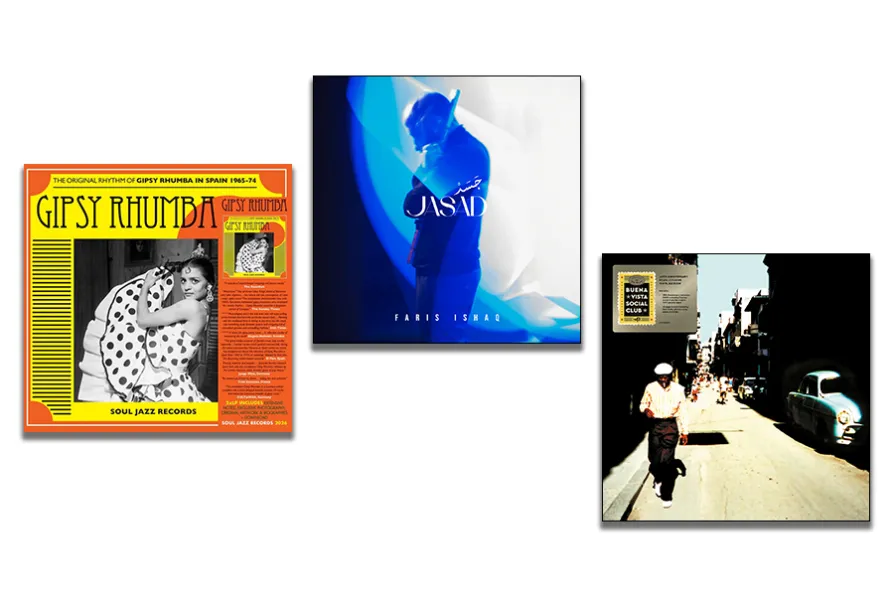
Re-releases of the classics Gypsy Rhumba and Buena Vista Social Club, and a stunning album by Palestinian artist Faris Ishaq
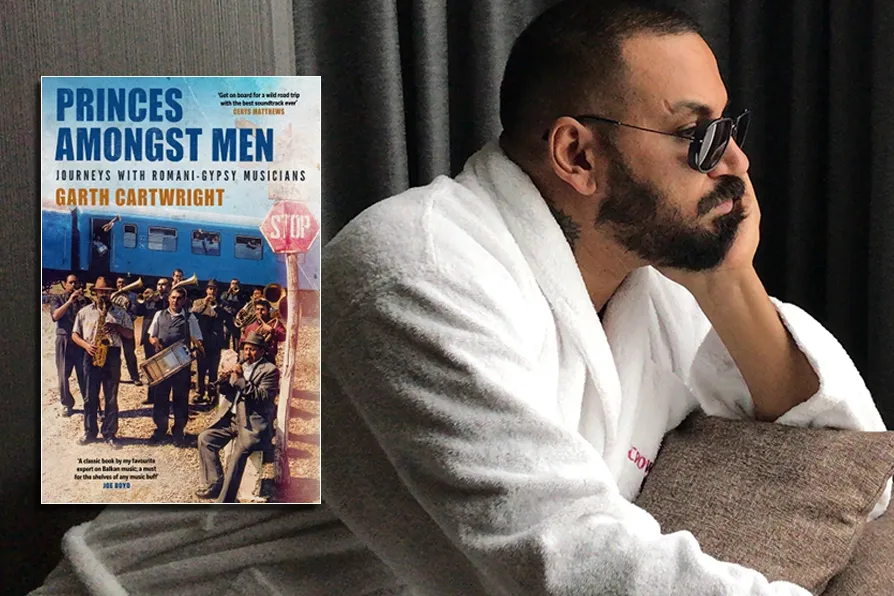
TONY BURKE talks to Garth Cartwright author of Princes Amongst Men — Journeys With Romani Gypsy Musicians
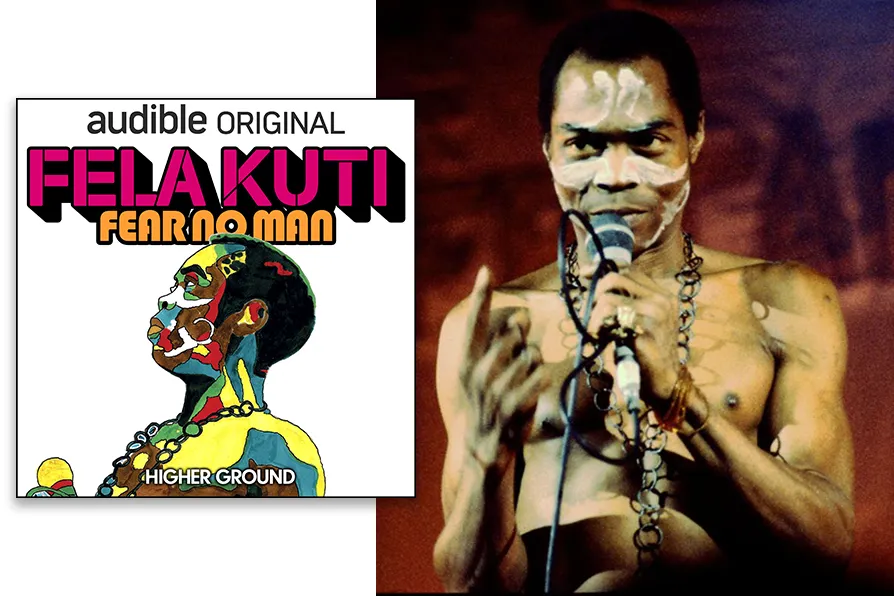
TONY BURKE recommends a new podcast about the legenary Nigerian musician and political activist FELA KUTI
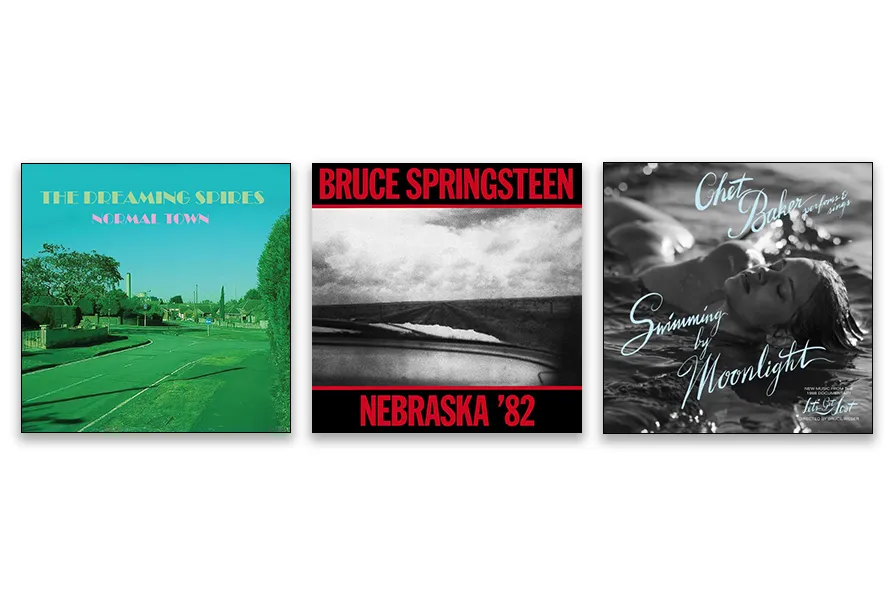
New releases from The Dreaming Spires, Bruce Springsteen, and Chet Baker