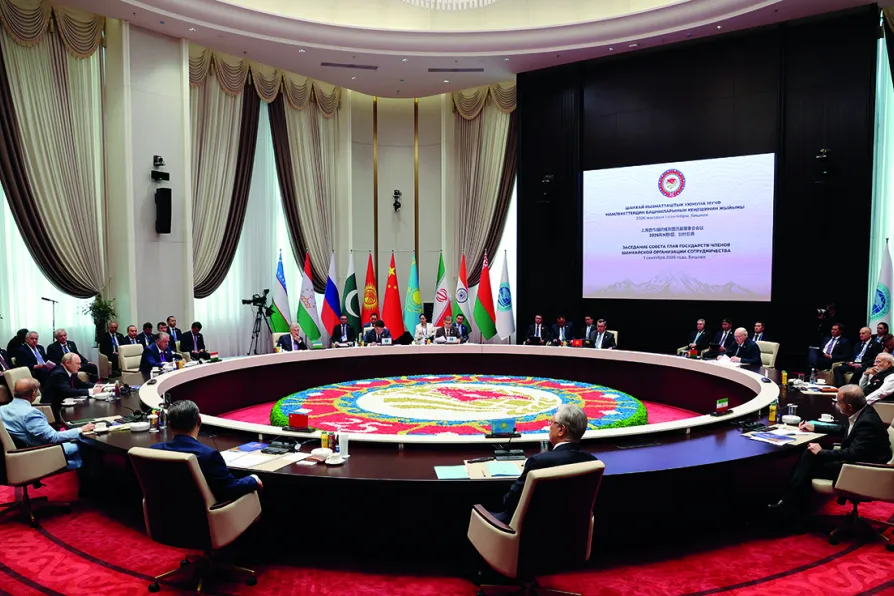
The 25th anniversary meeting of the Shanghai Co-operation Organisation in the Kyrgyz capital may offer a glimmer of hope that international relations do not need to be defined by endless confrontation, writes KENNY COYLE


 Latest editorial

The death merchants of big pharma
The present inquiry into contaminated blood products in Britain is just one aspect of an untold tragedy that includes Asia and Latin America
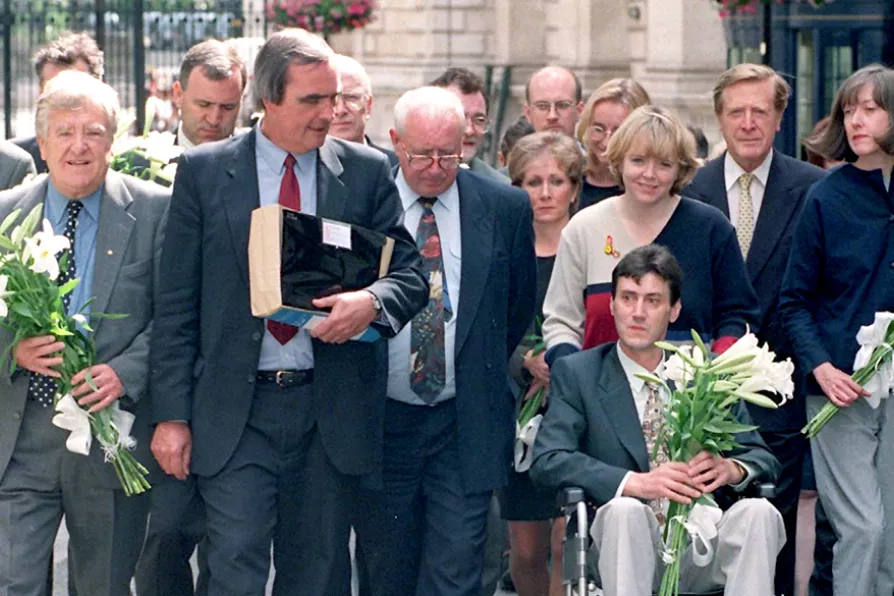 HISTORIC REDRESS: A delegation of Haemophilia Society in Downing Street on July 22 1998, delivering a petition to the prime minister Tony Blair calling on the government to accept moral responsibilty and compensate those infected by contaminated blood products - the 90 lilies represent those who have died from Hepatitis C contracted from NHS blood transfusions
The artist, who has just died, is embedded in the subconscious of the Palestinian people
The five young men killed in the A66 crash were responsible for a devastating tragedy — but the crash should force us to ask difficult questions about wider society, argues RENATA MEDEIROS MIRRA
Britain funds the policing of black culture 16 times better than the culture itself. The Diamond Jubilee is the moment to end that, argues CLAUDIA WEBBE
Despite Andy Burnham’s declaration defending the continued partition of the island, all major international and internal trends are converging to make Irish reunification inevitable
Humans are part of the ‘animal kingdom’ – and of nature in general – but also distinct from it and labour (work) is part of what makes us unique, declared Engels. His insights 150 years ago into how our species came to be and how we differ from the rest of nature, are as important today as they were then, says the MARX MEMORIAL LIBRARY
Committee for the Defence of the Iranian People’s Rights general secretary GAWAIN LITTLE discusses the impact of the US-Israeli war on the Iranian people and economy





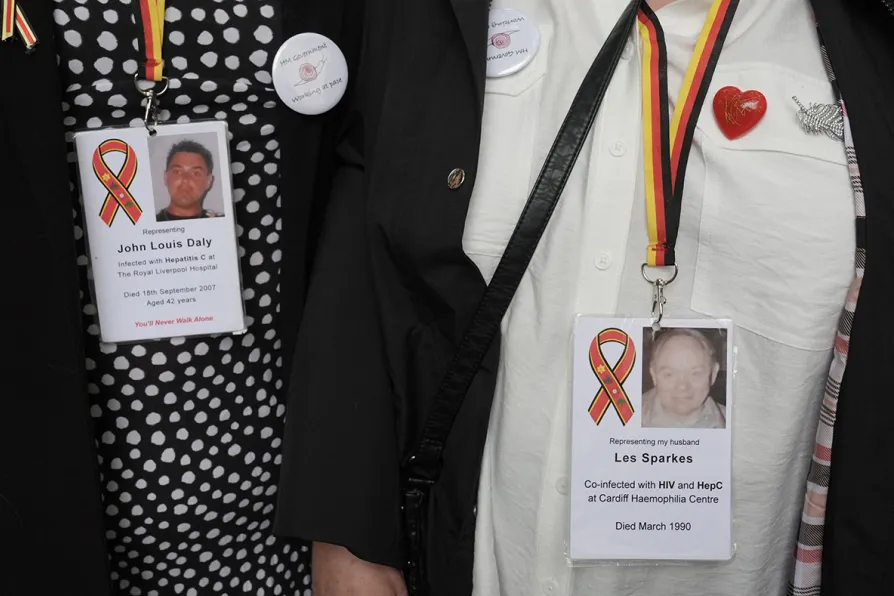
THIS week, people who were given contaminated blood while schoolchildren in the 1970s and ’80s have been giving evidence at a public inquiry. They were sufferers of haemophilia and were pupils at Treolar’s College, which had an NHS treatment centre to provide them with specialist care. As part of that care, many were infected with viral hepatitis or HIV, and died.
In a response to injury in somebody without haemophilia, an intricate set of protein reactions are set off within the blood. Proteins that normally circulate in blood freely bond together to change the consistency and stop the bleeding, producing a clot. There are several important proteins or “factors” involved in the clotting.
Haemophilia is a genetic condition, people with haemophilia A have mutations in the gene which encodes the sequence of the clotting protein called “Factor VIII.” This means that their blood contains only very low levels of functioning Factor VIII.
There are different mutations that lead to different magnitudes of deficiency, ranging from near-total elimination of production of the protein to merely decreased amounts. Reduced clotting in the blood is dangerous since it means more frequent and prolonged bleeding, both externally and also internally.

Similar stories
![Meat [Pic: Cindie Hansen / Creative Commons]](https://msd11.gn.apc.org/sites/default/files/styles/desktop/public/2026-07/cindie-hansen-8IQlsHB2OS8-unsplash.jpg.webp?itok=AgeMqKnO)
Innovation in biotechnology is changing how we conceive of meat, say ROX MIDDLETON, LIAM SHAW and MIRIAM GAUNTLETT of SCIENCE AND SOCIETY
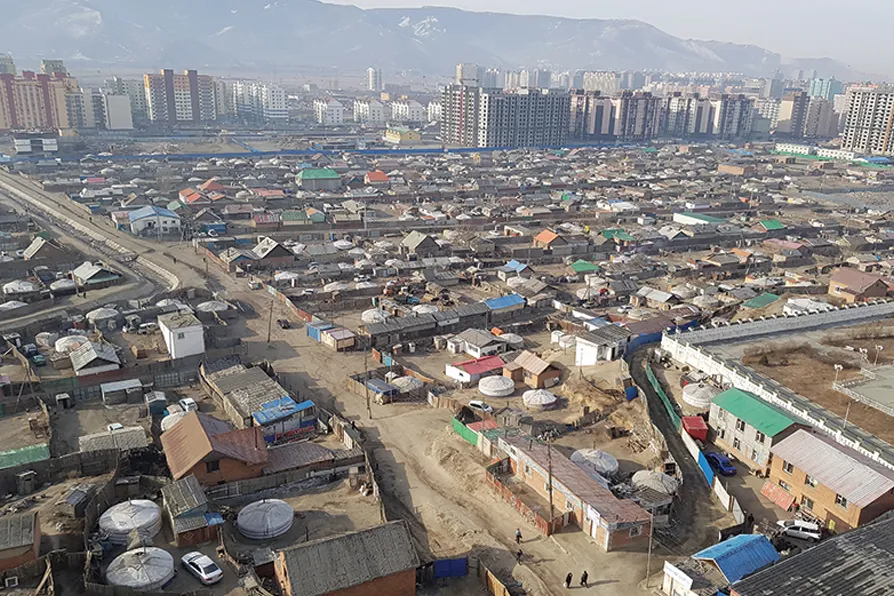
Coal-fired stoves in traditional homes are the primary source of extreme levels of air pollution in over-crowded Ulaanbaatar. As more people become climate-displaced, the situation is likely to worsen, write SCIENCE AND SOCIETY