ROB WARZYNIAK wades knee deep through a pile of ‘dead canaries’ of Trumpist policies which exacerbated the horrors of US capitalism domestically


 Latest editorial

A political and ideological attack on trade unions
Next month the certification officer will acquire a raft of new powers to fine unions for a range of ‘offences.’ ADRIAN WEIR reports
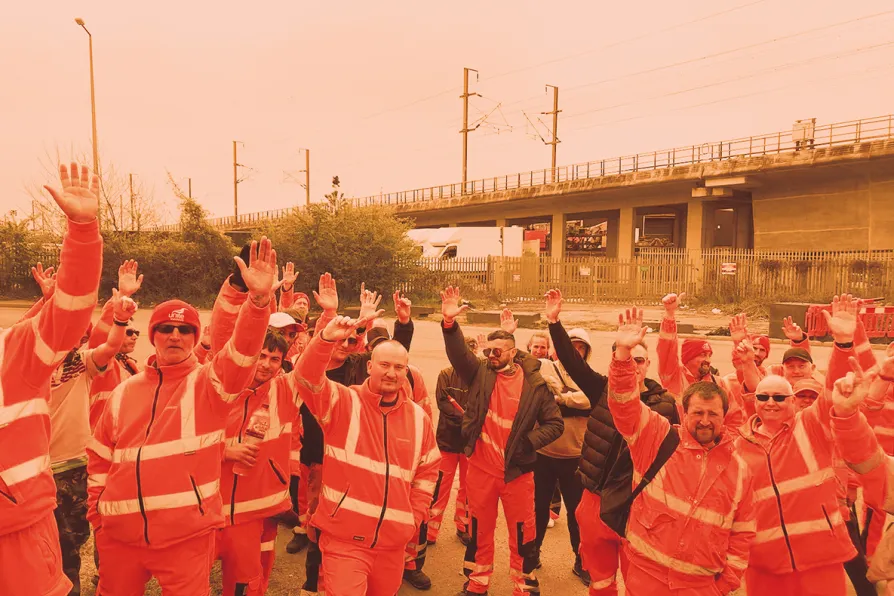

Without evidence or Nato consultations Berlin’s answer to the Leipzig incident is a rupture of relations. SEVIM DAGDELEN examines why
FRANCISCO DOMINGUEZ introduces the background to a conference on defending Latin America’s sovereignty
The glacier collapse in Nepal is yet another warning that a warming planet is making Himalayan disasters more frequent and destructive – but the countries facing the greatest risks are often those least responsible, says LI YANG
Nick Blair is set to benefit from a hugely lucrative contract to ‘virtually’ train the British army for its next war. Like father, like son, writes SOLOMON HUGHES
Even when tragedy strikes, Western media cannot resist the opportunity to turn it into a sordid propaganda opportunity, as the Nepal-China border tragedy shows, writes CARLOS MARTINEZ
Trade unions should be at the heart of the anti-racist push for reparations for the historic legacy and continuing impact of slavery, writes ROGER McKENZIE





ON April 1 the so-called “trade union regulator,” more formally known as the certification officer, will assume the powers given to her by the Employment Act 2016 to impose financial levies on trade unions.
As a sop, employers’ associations as equivalent “social partners” are also included as being liable to pay the levy but they have successfully lobbied so that the major burden will fall on the unions. One suspects that they didn’t have to lobby too hard.
The certification officer has also been given the power to impose financial penalties on unions (or any other person) but employers’ associations are not included under these provisions.

Similar stories
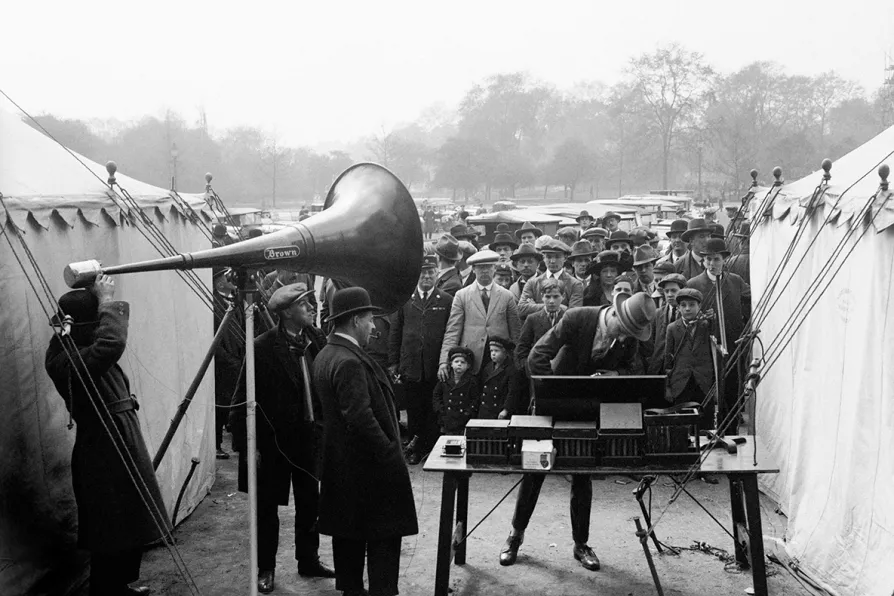
The General Strike exposed the power of the working class — and the limits of its leadership, writes Dr DYLAN MURPHY
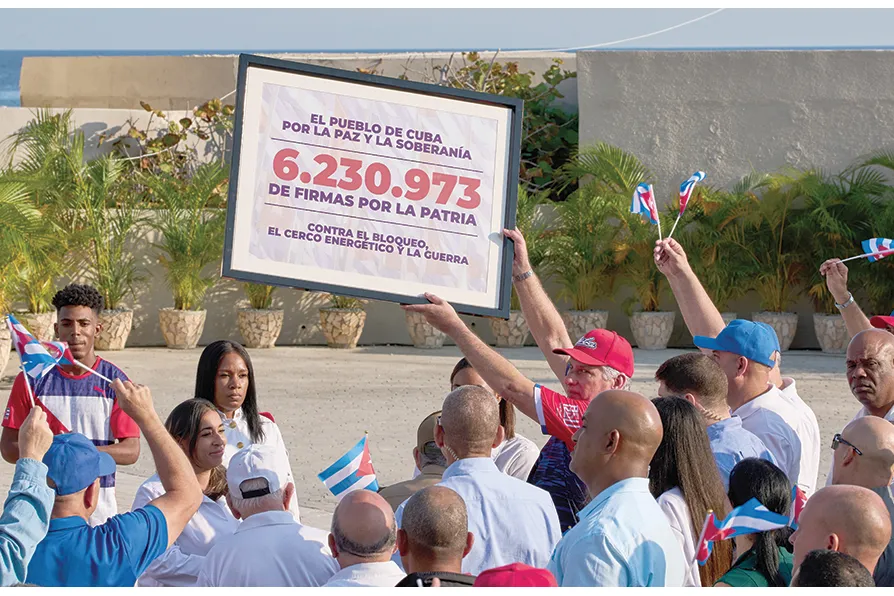
ADRIAN WEIR charts the intercontinental trade union solidarity with Cuba and its desperate predicament
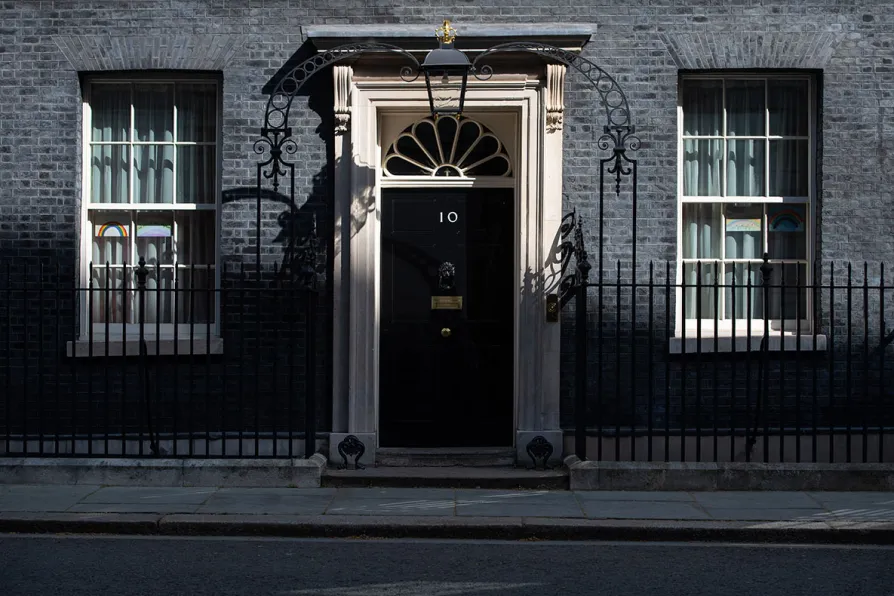
Labour’s long-promised Act has scraped through the Lords. While the law marks a step forward, its lack of collective rights leaves workers short-changed — and sets the stage for a renewed campaign for an Employment Rights Bill #2, argues TONY BURKE