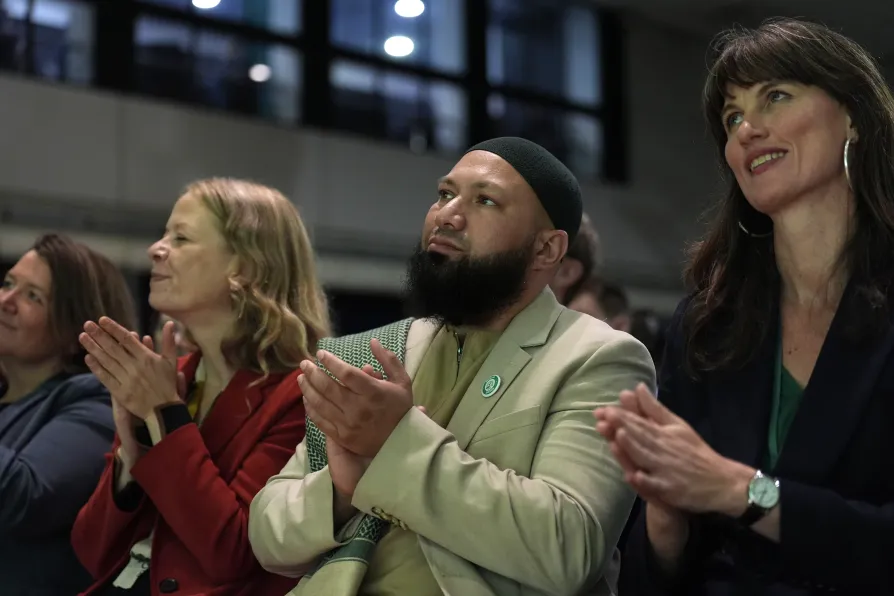
Green Party deputy leader MOTHIN ALI, who will speak at the International Anti-War Conference in London on June 20, says Britain needs to rethink its priorities – and its allies


 Latest editorial
The murder of Romina Ashrafi shows Iran's women are still struggling for basic rights
The so-called honour killing of 14-year-old Romina Ashrafi, beheaded by her own father, has brought renewed attention to the situation of Iranian women, writes JANE GREEN
From Global Counsel to Arden, SOLOMON HUGHES finds firms linked to discredited politicians are still calling the shots in Britain
KEVIN COURTNEY explains why Reform UK is no friend to workers or trade unions, but just another party of the super-rich
EMMA DENT COAD explains why she is stepping down from the council after 20 years and how the legacy of the fire still haunts the area
While international attention focuses on ceasefire frameworks, Israel is openly advancing plans for a permanent expansion of its control over Gaza, writes RAMZY BAROUD
Researchers PAUL HOLDEN and JESSICA MURRAY are calling for whistleblowers and documentary records to uncover how Labour Together helped build the parliamentary majority that now dominates the Labour Party





FOR nearly 10 years a parliamentary Bill, aimed at giving women some legal protection in Iran, has been lost in the labyrinthine legal structures of the Islamic Republic. The Bill for the Protection of Women Against Violence originally started its passage in 2011, eventually being sent to the judiciary in 2017 for review by the Rouhani administration.
The contribution of the judiciary was to dilute the Bill significantly, removing 40 of its 91 clauses before sending it to Iran’s judiciary head at the time, Sadeq Larijani, for approval.
The amended Bill was now much weaker than the first draft proposed by the government. For one thing, the country’s judiciary has discarded the articles defining “violence” and its different manifestations, including violence at home.

Similar stories
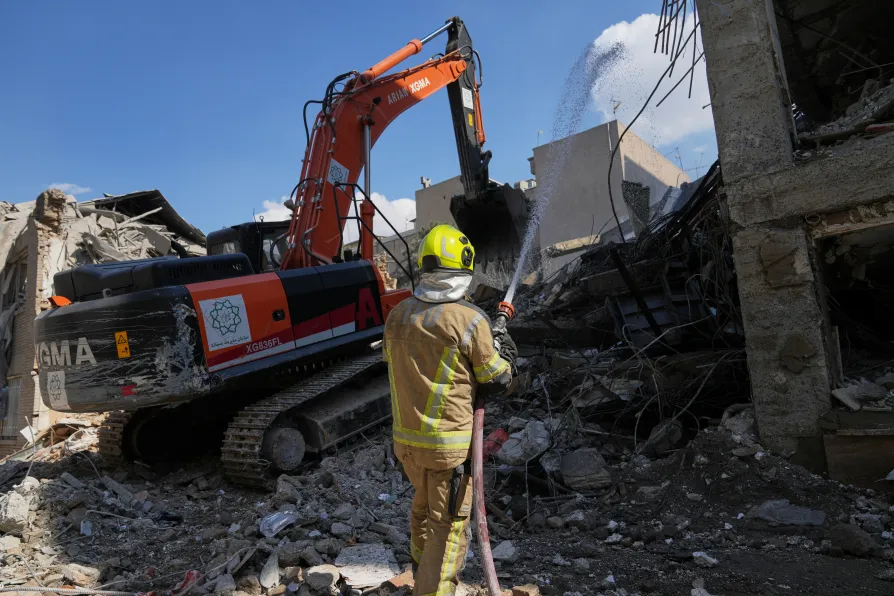
With attacks on industry, healthcare and education intensifying, JAMSHID AHMADI warns of a deliberate drive to cripple Iran and calls for urgent global action
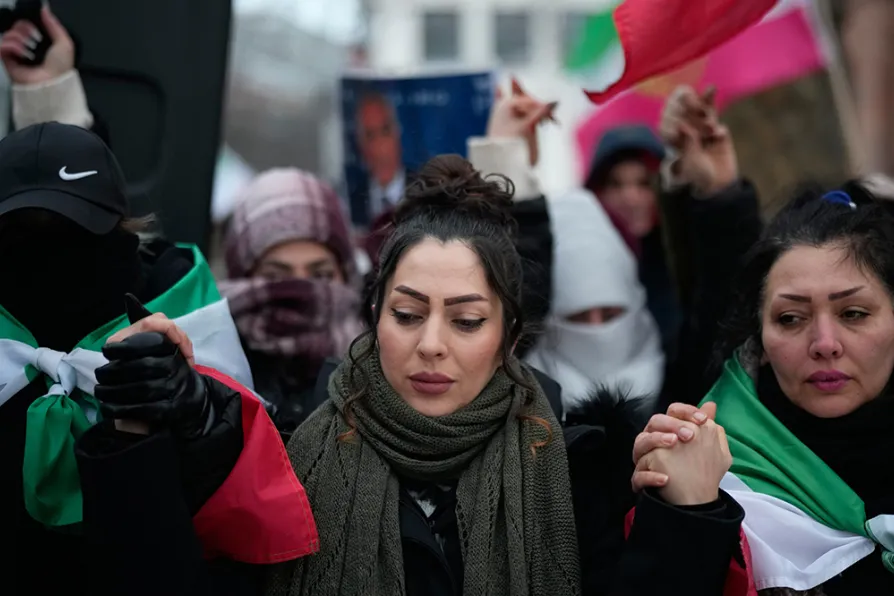
The Committee for the Defence of Iranian People’s Rights (Codir) welcomes demonstrations across Iran, which have put pressure upon the theocratic dictatorship, but warns against intervention by the United States to force Iran in a particular direction
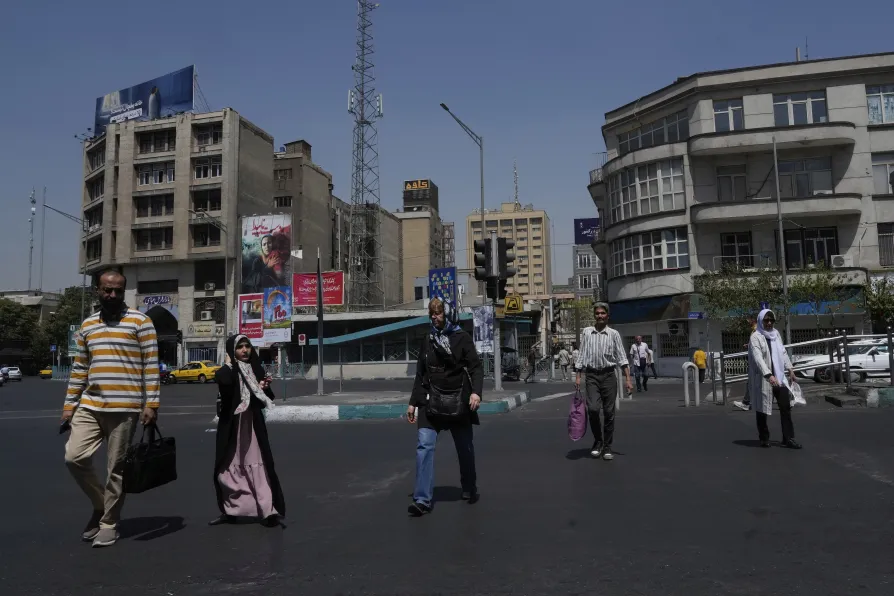
Payam Solhtalab talks to GAWAIN LITTLE, general secretary of Codir, about the connection between the struggle for peace, against banking and economic sanctions, and the threat of a further military attack by the US/Israel axis on Iran
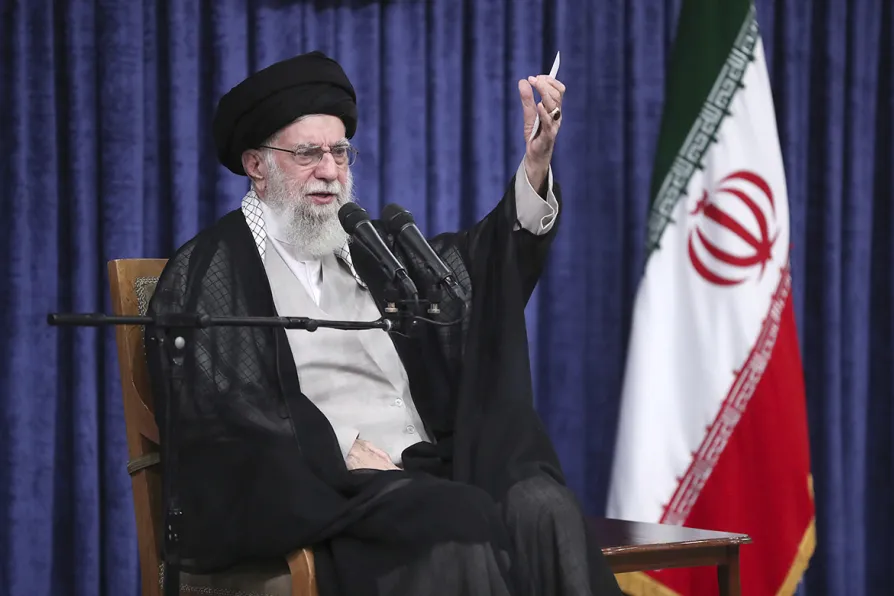
The Islamic Republic is attempting to deflect from its own failures with a scapegoating campaign against vulnerable and impoverished migrants, writes JAMSHID AHMADI