CLAUDIA WEBBE speaks out against the lethal mechanics of Britain’s culture-war press


 Latest editorial

European centrist parties’ puzzling anti-Russian hostility explained
Despite the US withdrawal from Ukraine and economic self-harm from sanctions, European centrists maintain their bellicosity to justify military spending and distract from neoliberalism's failures, writes PRABHAT PATNAIK
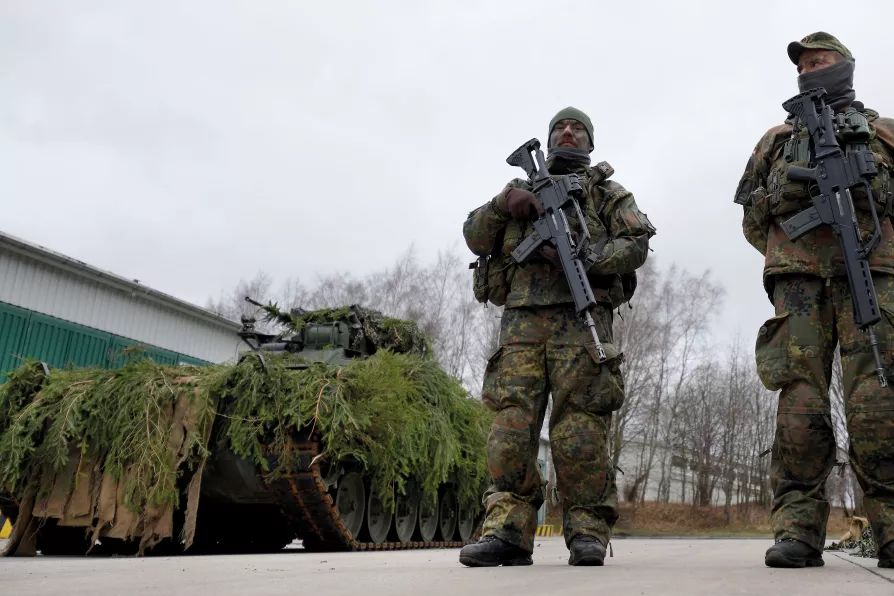 ARMS INDUSTRY: Soldiers pose for the media during
the presentation of the Marder armoured personnel
carrier, left, at the Erzgebirgskaserne barracks in
Marienberg, after the German government said Berlin
would supply the vehicle to Ukraine, January 2023
ARMS INDUSTRY: Soldiers pose for the media during
the presentation of the Marder armoured personnel
carrier, left, at the Erzgebirgskaserne barracks in
Marienberg, after the German government said Berlin
would supply the vehicle to Ukraine, January 2023
Powerful agribusiness interests are trying to overturn efforts by the Lula government to protect the environment and indigenous peoples of the Amazon region, writes GABRIELA SA PESSOA
Trade unions and community groups are mobilising to push back against Trump’s racist raids after new revelations of spying on legal protesters. MARK GRUENBERG reports from the US state of Minnesota
The best wildfire service may begin with the community, argues KOMAL RAJ ARYAL
The evolution of the Scottish nationalist leadership into cheerleaders for Nato has led the party to betray its pledges on Palestine and social spending, writes COLL McCAIL
While riding the No 3 bus in Glasgow MATT KERR has ample time to dissect the moribund Scottish Labour decline into near oblivion and watch intriguing bus passenger dynamics





ONE of the puzzling phenomena in world capitalism today is the bellicosity displayed by Europe vis-a-vis Russia. The claim that Russia has imperialist designs towards Europe, which the European ruling circles keep repeating, is clearly absurd.
It is Nato that moved eastwards, in violation of a promise made by the US administration to Gorbachev, and provoked Russia; and it is Nato members, notably the US and Britain, that torpedoed the Minsk agreement reached between Russia and Ukraine which would have prevented the war.
Nato’s objective clearly was to subjugate Russia and control its rich natural resources, by recreating the relationship that Western imperialism had developed for a while with that country when Boris Yeltsin had been its president. The claim that it is Russia that wants to overrun Europe, like the earlier cold war claim that it was the USSR that wanted to subjugate Europe, is so absurd that it is almost childish.

Similar stories
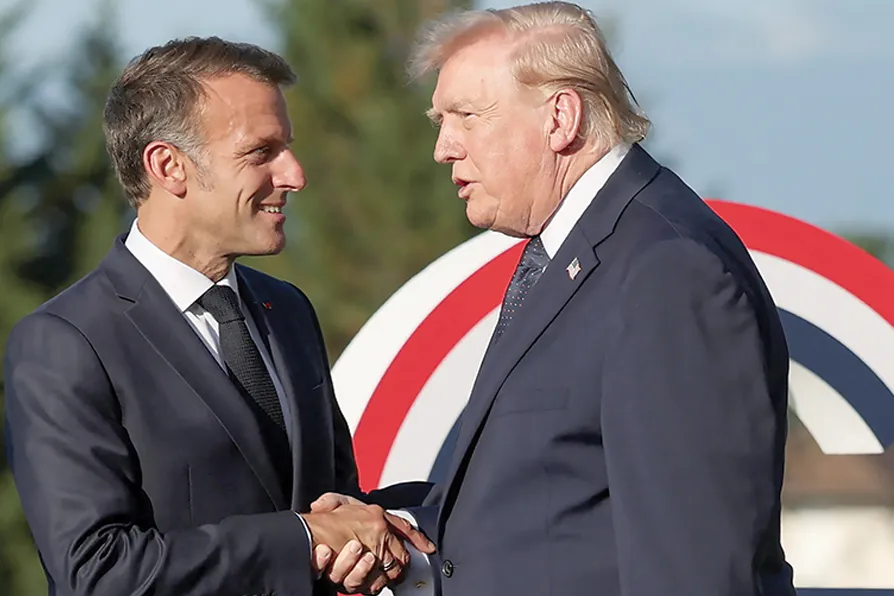
While millions face poverty and public services are squeezed, France is committing billions to defence spending and weapons production, in a dangerous shift towards permanent preparation for war, says CONOR BOLLINS
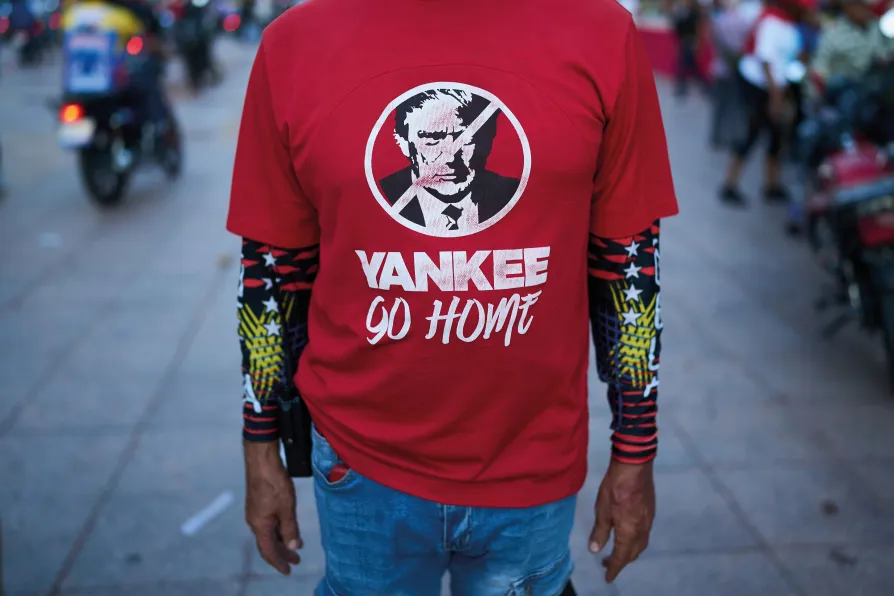
Western nations’ increasingly aggressive stance is not prompted by any increase in security threats against these countries — rather, it is caused by a desire to bring about regime changes against governments that pose a threat to the hegemony of imperialism, writes PRABHAT PATNAIK
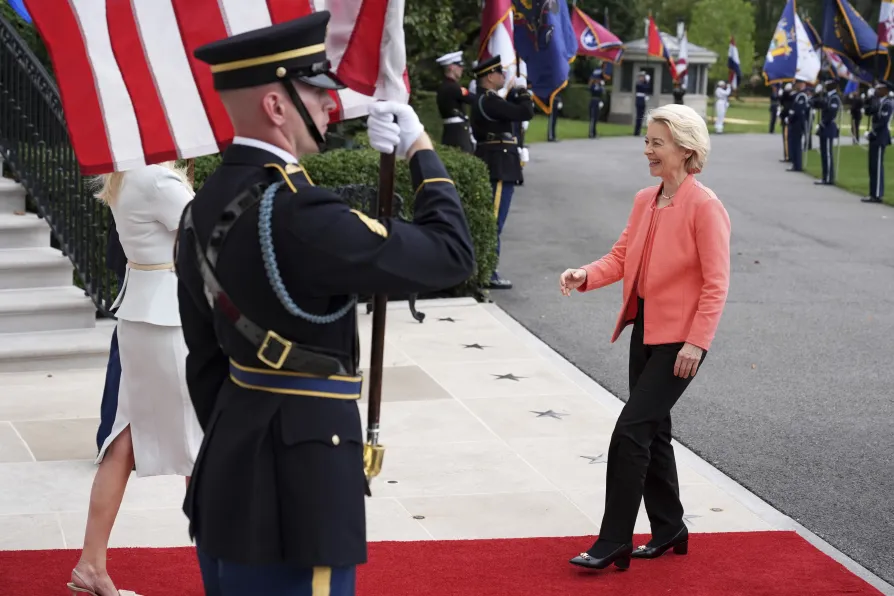
US tariffs have had Von der Leyen bowing in submission, while comments from the former European Central Bank leader call for more European political integration and less individual state sovereignty. All this adds up to more pain and austerity ahead, argues NICK WRIGHT