Committee for the Defence of the Iranian People’s Rights general secretary GAWAIN LITTLE discusses the impact of the US-Israeli war on the Iranian people and economy


 Latest editorial

In defence of the pub trade
Alba party leader KENNY MacASKILL makes some suggestions on how to save our pubs and reduce irresponsible drinking
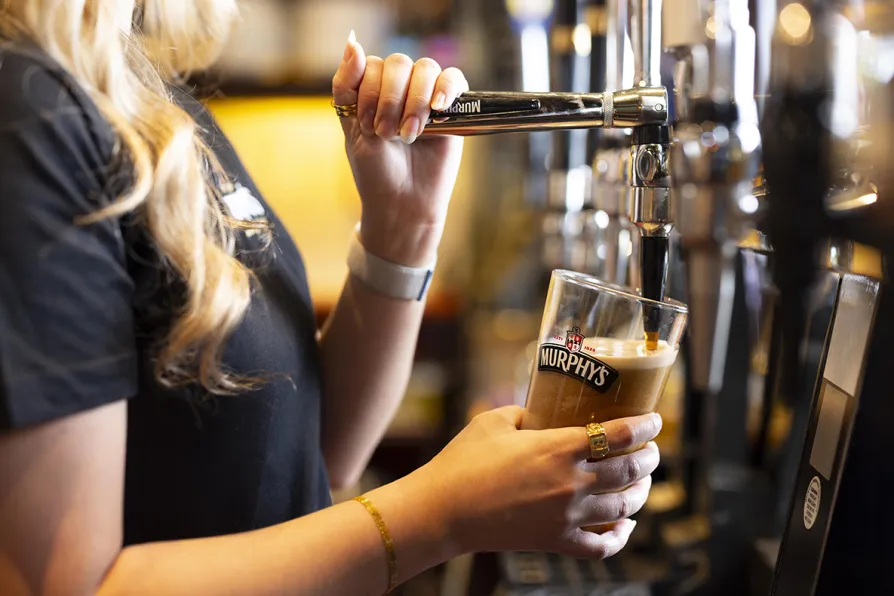 A pint being pulled at a pub in London, Dcember 2024

Capitalism has extracted itself from crisis before, argues PRABHAT PATNAIK – but through methods no longer available. So it is turning to authoritarianism, militarism and neocolonialism
The five young men killed in the A66 crash were responsible for a devastating tragedy — but the crash should force us to ask difficult questions about wider society, argues RENATA MEDEIROS MIRRA
Britain funds the policing of black culture 16 times better than the culture itself. The Diamond Jubilee is the moment to end that, argues CLAUDIA WEBBE
Despite Andy Burnham’s declaration defending the continued partition of the island, all major international and internal trends are converging to make Irish reunification inevitable
Humans are part of the ‘animal kingdom’ – and of nature in general – but also distinct from it and labour (work) is part of what makes us unique, declared Engels. His insights 150 years ago into how our species came to be and how we differ from the rest of nature, are as important today as they were then, says the MARX MEMORIAL LIBRARY





PUBS have been under the cosh and not just through Festive Season pressures. Now a rise in business rates is causing alarm to the licensed trade in England and Wales who are facing challenges their Scottish colleagues have experienced for years.
As with all businesses, costs are increasing but the pub trade also faces the threat posed by changes in drinking patterns as more and more alcohol is bought from supermarkets and consumed at home, rather than sold over the counter in a pub or hotel. That’s a long-term trend which started well before Covid but is being felt by the “on-trade” as the sector is described.
Much is irreversible, as shopping patterns never mind socialising have changed. Pubs have also changed with both food being served and larger central premises replacing the “working man’s” bar.
Much is responding to the demands of the clientele or economies of scale, and some is generational. Moreover, whilst there’s aspects to lament in the loss of the “cosiness,” there’s also things which required to change such as the limited number or even absence of women’s toilets.
But equally supermarkets have used alcohol for footfall. Offers on beer, wine and spirits entice custom whilst cheap bananas or biscuits don’t. The space given to alcohol sales, whether in major stores or even in smaller sites, is considerable. It’s also hugely profitable. It’s why there should be a move towards a more level playing field between the store and pub.
There’s also good reason to support pubs along with the wider hospitality sector and there are easily implementable actions which could help protect them.
The pub or hotel is frequently at the heart of the community. It might not be as vital as the school but they’re still a hub where locals gather. There’s also many areas where they provide the only place for clubs, societies and locals to gather. There’s even places where their costs are significantly cheaper than any other venue available for hire. Lose the local and you lose a community asset.
When the pubs close it can also leave a gap where it was sited. Converting a village one to a house is often possible, but its frequently far harder in an urban throughfare where shops already lie empty and the design of the building makes it impractical or hugely costly to alter for other use.
There’s also good reason why the consumption of alcohol in a pub or other licensed premise is to be encouraged over that of drinking at home or wherever else it’s going to be consumed.
Alcohol is after all a licensed drug though it’s one which many enjoy and where history has proven that prohibition is problematic, if not doomed to fail.
Alcohol is part of our society and how we mix and mingle. But, it’s also why its content and strength are regulated, and its sale is likewise restricted and licensed. It’s not just another product or purchase and shouldn’t be treated as such.
In that regard the pub trade, along with hospitality more generally, have strict rules to follow and failures are rightly dealt with severely.
Rules of course also apply to the “off trade” as supermarkets and shop sales are referred to but once away from the confines of the retail unit, and as long as licensing rules have been followed, they have neither responsibility nor accountability over consumption.
That’s not the case with the “on trade” who require to ensure that those to whom they sell alcohol drink it in a safe venue and consume it in a responsible fashion. From security staff at some venues, through the oversight of the manager and staff, customers are supervised and behaviour along with consumption is regulated.
Alcohol is also an acquired taste and learning how to consume it is better under adult supervision. If it’s at the street corner or the public park, then it’s unlikely to be overseen and as police and communities will testify harm and mayhem can follow.
The change in drinking patterns and improvements in the operation of the hospitality trade in city and town centres has also been reflected in crimes.
Alcohol-fuelled murders and serious assaults largely happened in or very near to pubs or clubs but no more. Now it’s more often in a house or some other venue, often in a peripheral housing scheme, where heavy drinking is taking place and with the alcohol having been bought in a shop or supermarket.
So, what can be done to support the pub trade without increasing alcohol harm?
Firstly, minimum unit price (MUP) that has been brought in north of the border should apply in England and Wales. A bottle of water costing more than a bottle of high-strength cider is simply perverse. MUP would have little or no impact on the “on trade” where prices are higher and it continues to be supported by the licensed trade in Scotland.
Secondly, reducing VAT on alcohol sold in the “on trade” as happens in some European countries should be brought in. It could well be cost-neutral with increased consumption offsetting loss of excise for the Treasury, as well as giving a fillip to the beleaguered trade. A lot better and more sustainable than “eat out to help out.”
Thirdly, and most importantly, excise duty could be reduced for the “on trade” and increased for the “off trade.” Again, that could be revenue neutral for government coffers but could assist both the pub and hospitality sector, as well as taxing those making most profit through alcohol sales.
It’s no longer the “wee corner” shop but the large supermarket chains either in their large premises or through their smaller outlets. The increased cost would be modest on prices for alcohol bought in a store and might well see a little reduction in the price of a pint in a pub.
It just might though keep it in business. And there’s many would drink to that!
