Latest editorial
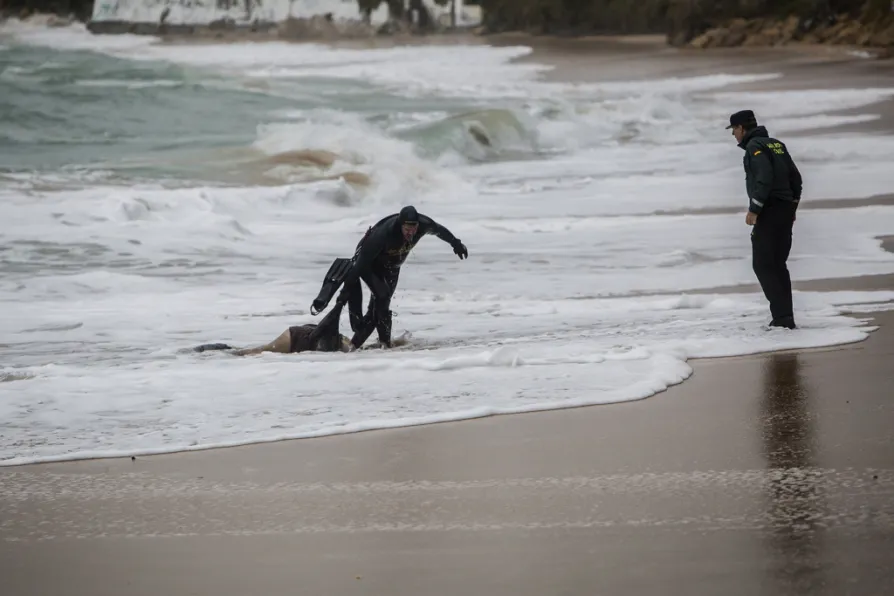 A body is dragged out of the Mediterranean by Spanish Guardia Civil last week





THE Czech Republic will reject the United Nations Global Compact for Safe, Orderly and Regular Migration, the first-ever UN global agreement on a common approach to international migration, the Prague government said today.
Prime Minister Andrej Babis opposes the pact, which is due to be adopted at an intergovernmental conference in Marrakech, Morocco, on December 10 and 11, on the grounds that it supposedly poses a threat to his country’s national security.
Mr Babis claimed the pact was dangerous because it “defines migration as a basic human right,” though it does not. He noted that the United States, Austria and Hungary have also rejected it.

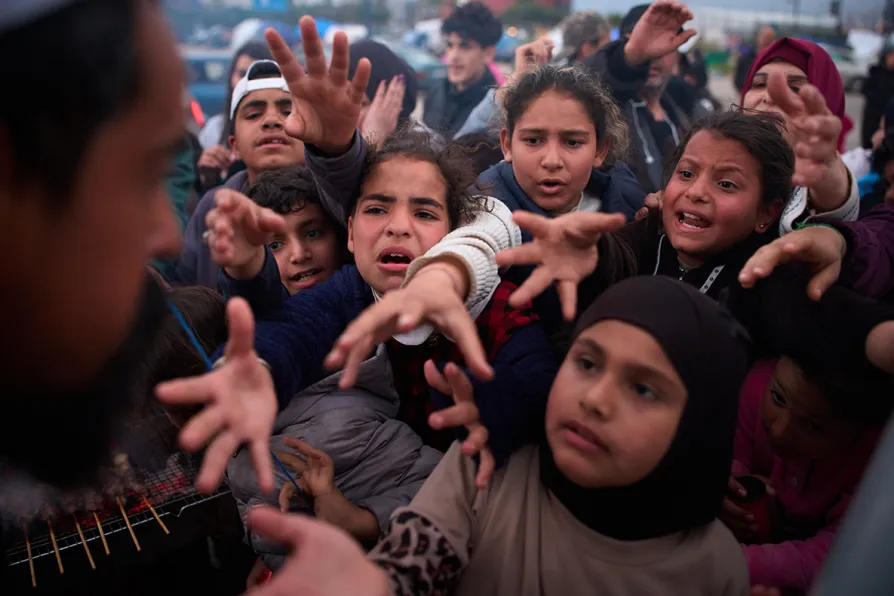
ANSELM ELDERGILL looks at the legality of the wars in the Middle East and the means used to fight them. It is said that truth is the first casualty of war, so what is the truth with regard to the legality of America’s and Israel’s wars in Iran, Palestine and Lebanon?

JENNY CLEGG reports from a Chinese peace conference bringing together defence ministers, US think tanks and global South leaders, where speakers warned that the erosion of multilateralism risks regional hotspots exploding into wider war