
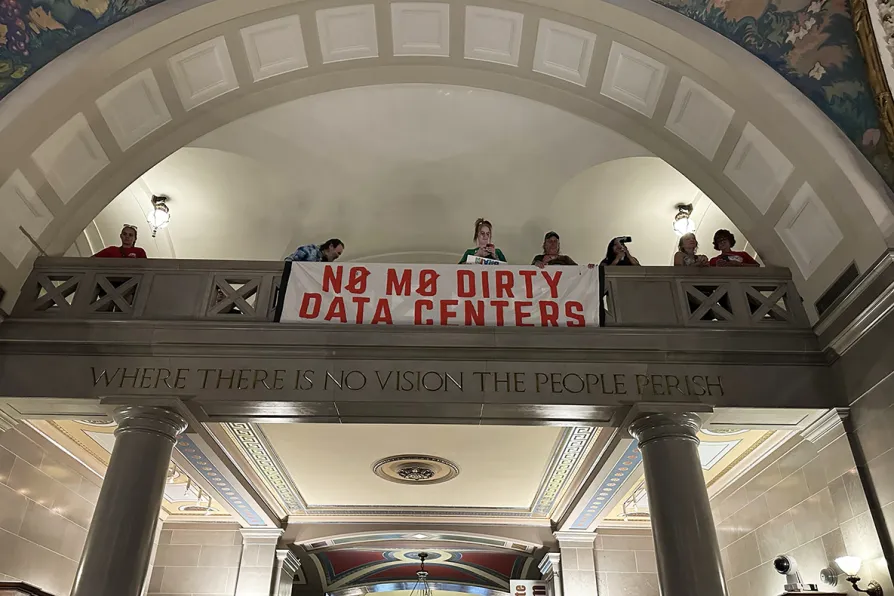
The US administration is endangering lives by reversing environmental protection laws, CHAUNCEY K ROBINSON argues

The conundrum of Starmer
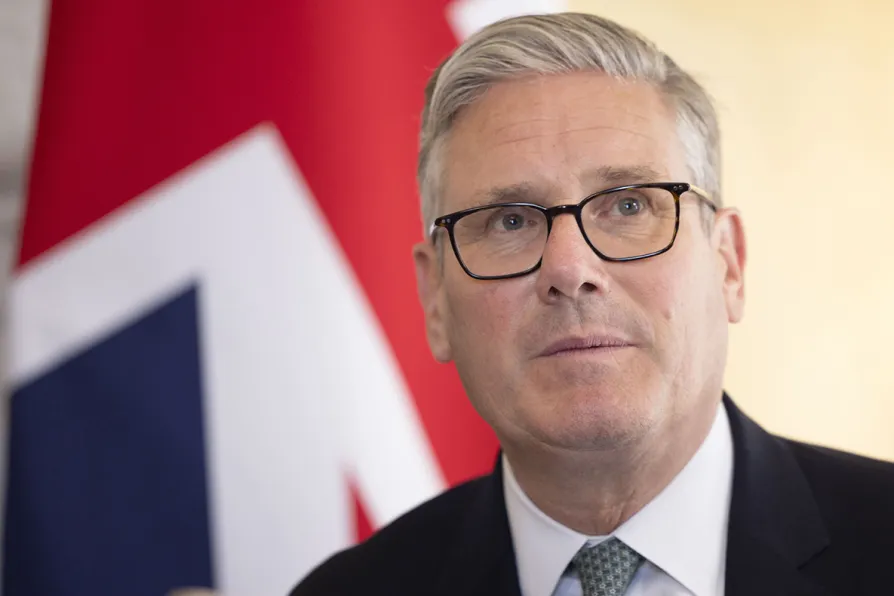
Keir Starmer's early political life suggests a very different future from the one he ultimately embraced, says KEITH FLETT

It’s time to stop retreating and go on the offensive to promote working-class interests, argues DOUG NICHOLLS
Marco Rubio wants to defeat socialism in Nicaragua, not restore ‘democracy,’ writes JOHN PERRY
Believe it or not, there was a time when the US government built beautiful homes for working‑class Americans to deal with a housing shortage, writes ERAN BEN-JOSEPH
DIANE ABBOTT provides an analysis of the reasons for EU and British voters’ dramatic swing to the right
Train drivers’ union Aslef general secretary DAVE CALFE speaks to Ben Chacko about his hopes that Burnham’s devolution agenda will include the importance of the railway





NEITHER to laugh or to cry but to understand was Marx’s favourite aphorism. There are a hard core who are busy regretting the resignation of Keir Starmer as PM and claiming that he has done a great job. For many others it’s not so much a matter of laughing but cheering.
The charge sheet is lengthy. Appearing as Labour leader in 2020, he was promoted as Jeremy Corbyn but without a beard and with a smart suit. Then one by one the leftish policies he stood for leader on were ditched until by the time of the 2024 general election there was none of substance left.
Once in office matters got worse. He pushed through cuts in welfare and benefits (since reversed) supported Israel’s genocide in Gaza with occasional complaints about Netanyahu and presided over an increasingly authoritarian regime on protest.
There was a further point. It would be a struggle going back to 1924 and Ramsay MacDonald to find a Labour PM who did not have a variety of significant downsides. There was also the issue that Starmer was not a good politician or leader. He had the air of a provincial bank manager, enthusiastic only about Arsenal.
This however is not where Starmer came into politics in the 1980s. To understand the differences is important because it can at least partly explain how a left-wing politics can end up making a difference and also, in other circumstances, when it can’t.
There is one biography of Starmer, written by journalist and associate Tom Baldwin. While it’s not comprehensive it does detail Starmer’s development from Leeds University to becoming a lawyer, director of public prosecutions, Labour MP and finally Labour leader and prime minister.
What it doesn’t do is explain Starmer’s trajectory and reflect if it might have been different.
Starmer studied at Leeds University and then went to Oxford as a postgraduate. It was here that he was found in the Labour Club. He became associated with a small left-wing magazine Socialist Alternatives, which published half-a-dozen issues in the second half of the 1980s. They remain available online.
What the Socialist Alternatives project was and what Starmer thought it was may not be quite the same. It sought to link red and green politics, then a relatively novel idea. It worked around the left Labour Socialist Society which was associated with Tony Benn and Hilary Wainwright. Later it became active in the Green Party for a period, although it’s unclear if Starmer was still involved at this point.
It was also part of a “Pabloite” or orthodox Trotskyist attempt to seek a new direction for far-left politics. How much Starmer was associated with the theory of this is unclear.
Starmer wrote a number of rather dull articles for Socialist Alternatives, including an interview with Tony Benn, where he explored with him how Labour could move significantly to the left and open itself up to anti-racist and feminist politics.
This seems to be the last association Starmer had with any kind of organised left politics until he appeared as the Labour MP for Holborn and St Pancras in 2015. In between he was a left-ish north London lawyer. He opposed the 2003 Iraq war and acted for the McLibel Two in a famous case against McDonald’s.
He then became DPP in 2010 where there was little obvious radical impact.
It has been said that Starmer was the only PM whose politics were a private matter. What we do know is that he was associated with no group or co-thinkers in the Labour Party or beyond. Hence he became a useful front person for Morgan McSweeney and others to mount their sectarian war against the Labour left. Without organised supporters and co-thinkers, whatever Starmer’s original project was, it was doomed to fail.

Similar stories

The Carpathia isn’t coming to rescue this government still swimming in the mire, writes LINDA PENTZ GUNTER
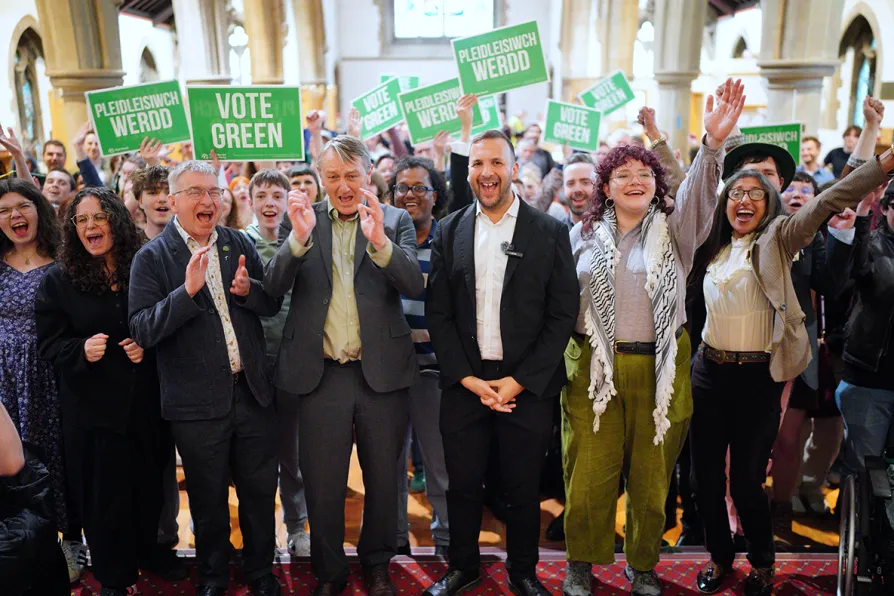
JAMIE DRISCOLL’s group, Majority, with an inclusive approach and supportive training, aims to sidestep many of the problems afflicting Britain’s progressive movement
As the PM and his chief of staff’s blunders have mounted up, ANDREW MURRAY wonders who among Labour’s diminished ‘soft left’ might make a bid for the leadership