

 Latest editorial

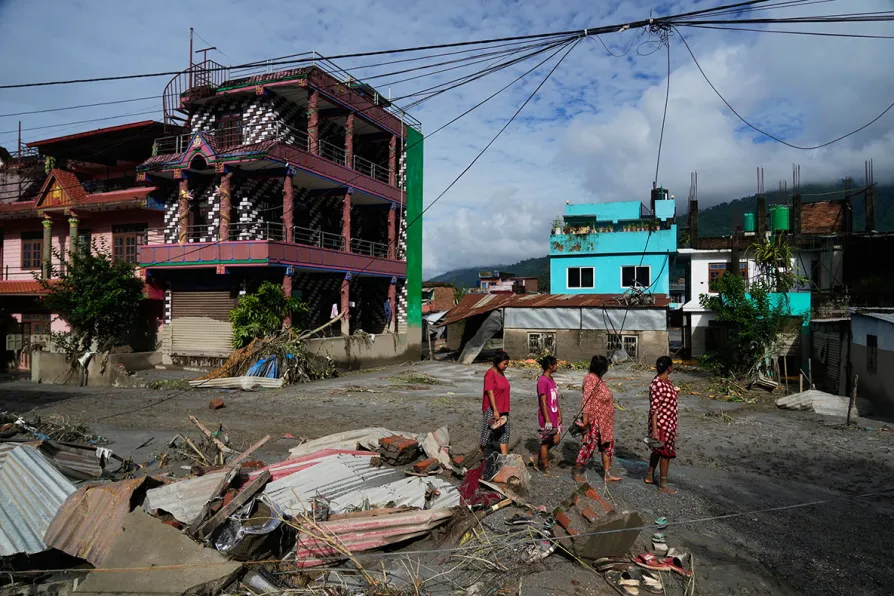





Nepal’s two main communist parties have agreed to merge ahead of elections later this year — with the aim of dominating the new parliament.
The Communist Party of Nepal — Unified Marxist-Leninist (CPN-UML) and the CPN — Maoist Centre signed a pact in Kathmandu on Tuesday afternoon, along with the much smaller New Force Party.
They agreed to jointly contest two-stage elections to the new House of Representatives on November 26 and December 7 — and announce their unification after that, the Online Khabar website reported.


MIKE MARTIN surveys the regional opposition to US attempts to force the region into a military confrontation with China
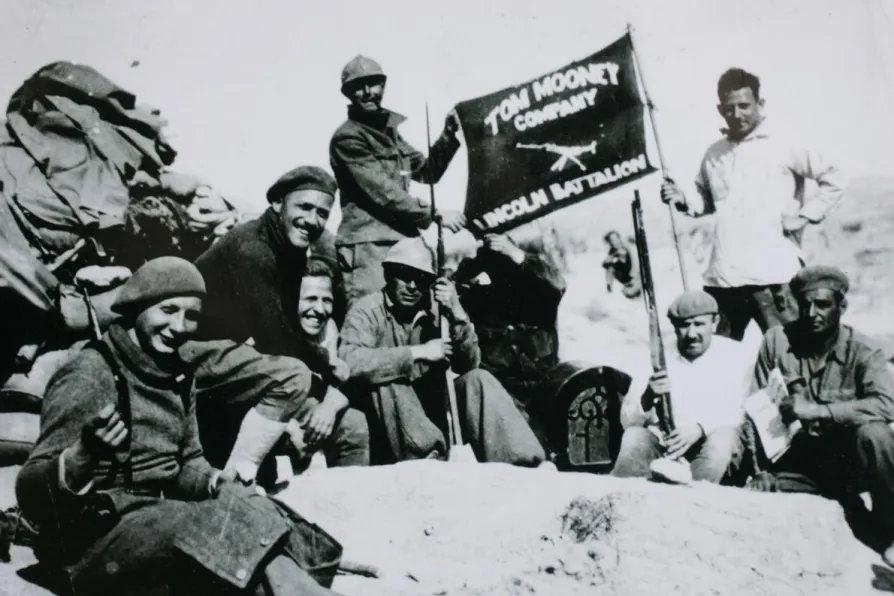
CJ ATKINS commemorates one of the most dramatic moments in working-class history

JOHN CALLOW examines what went wrong for the Czech communist party in the recent parliamentary elections, where it failed to meet the threshold to return deputies and some now talk of the party abandoning its commitment to socialism
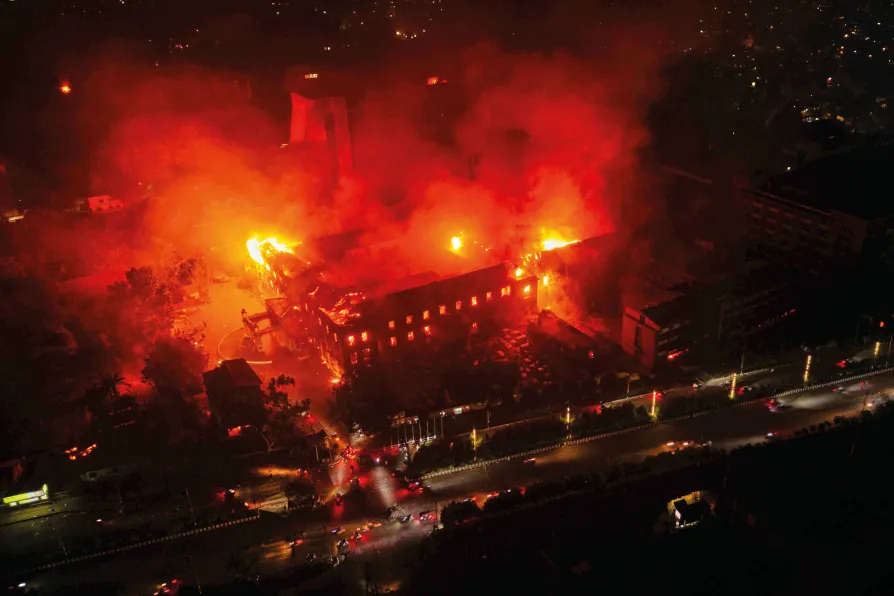
Following the resignation of Nepali Prime Minister KP Oli amid mass youth-driven protests, different narratives have circulated which simplify and misrepresent the complexities and reality on the ground in Nepal at the roots of this crisis, argue VIJAY PRASHAD and ATUL CHANDRA