Cuban trade union federation CTC leader OSNAY MIGUEL COLINA speaks to Ben Chacko about life and work under a crippling US siege


 Latest editorial
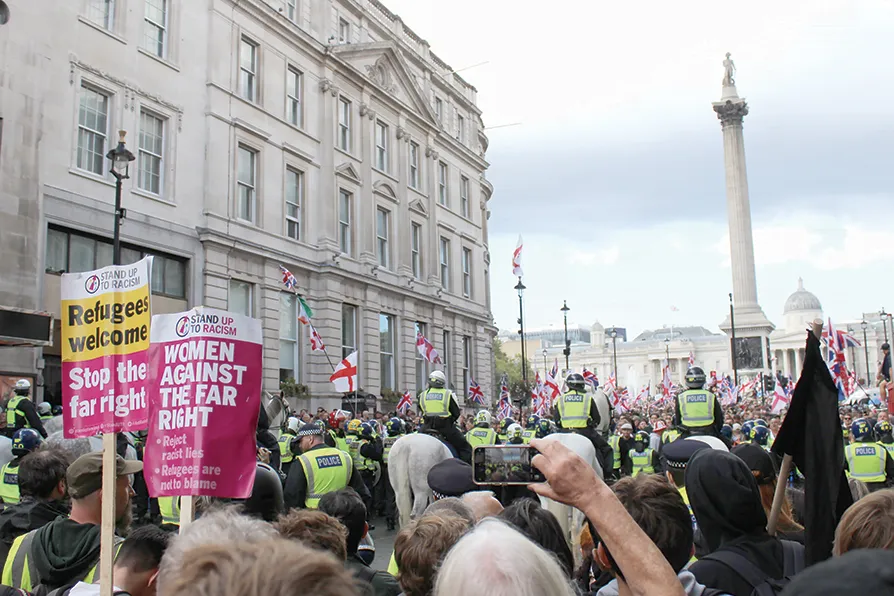
Challenge racism, stand with the victims of far-right terror
Migrants and refugees are not responsible for Britain’s ills – a message we must make absolutely clear, says JEREMY CORBYN MP


A part of the British empire’s network of slavery, today the Caribbean island of Nevis faces a new form of exploitation in the form of crypto-colonialism, CLAUDIA WEBBE writes
A new book by Victoria Holmes illuminates the many hidden histories of the oppression experienced by Gypsy/Roma/Traveller community, writes ROGER McKENZIE
Even the oligarchs of the artificial intelligence industries are warning that their creations have the capacity for the ultimate destruction of the planet and its population. ANDREW MURRAY suggests that there might just be other solutions
The Labour government must deliver on its commitment to bring back privatised services into the public sector. This not only saves money but also creates accountability and generates wider social benefits, argues ANDY MCDONALD MP
Public ownership of Great British Railways has enormous potential to improve our railway network, but that can’t happen unless jobs, employee rights and union recognition is at the heart of the transition, argues MARYAM ESLAMDOUST
Challenges from the unscrupulous misuse of AI to steal actors’ voice and physical likenesses is being met with a firm union response, writes LYNDA ROOKE





LAST week, a horrendous murder took place in Southport as three children were brutally hacked to death in a violent knife attack. What followed showed both the best and worst of society.
The best was the outpouring of support for the grieving families of the children. The worst was the far-right forces who attacked the mosque in Southport, a hotel housing refugees in Rotherham, and Muslim-run businesses across the country.
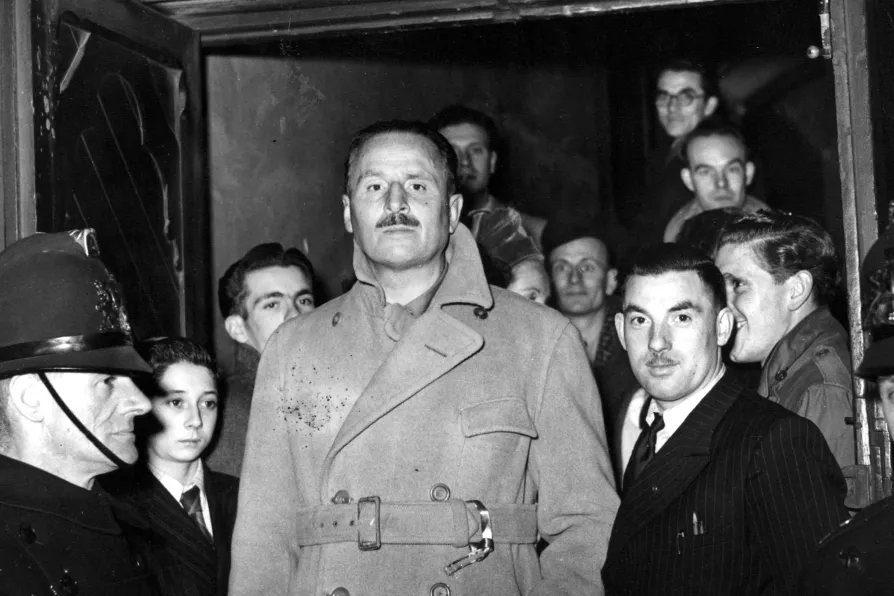
These far-right attacks on the Muslim community echo the tactics of the Nazis against Jewish people, shops and businesses in Germany in the 1930s. In both scenarios, the far right use violence against minorities and blame them for poverty, housing shortages and pressures on health and education services.

Similar stories

Trade unions need to step up and force a turn in the policies of the labour movement to effectively confront the far-right threat, argues NICK WRIGHT

As extremist movements grow on the streets and at the ballot box, the emergence of the Together Alliance points to a vital strategy: unity across trade unions, campaigners and communities, says TONY CONWAY