New releases by Interpol, Phoebe Bridgers, Lambchop


 Latest editorial

Time to return to dystopia
We're now living though the scenarios predicted in novels like 1984 and Brave New World. What can we learn from them about the world today, asks JOHN GREEN
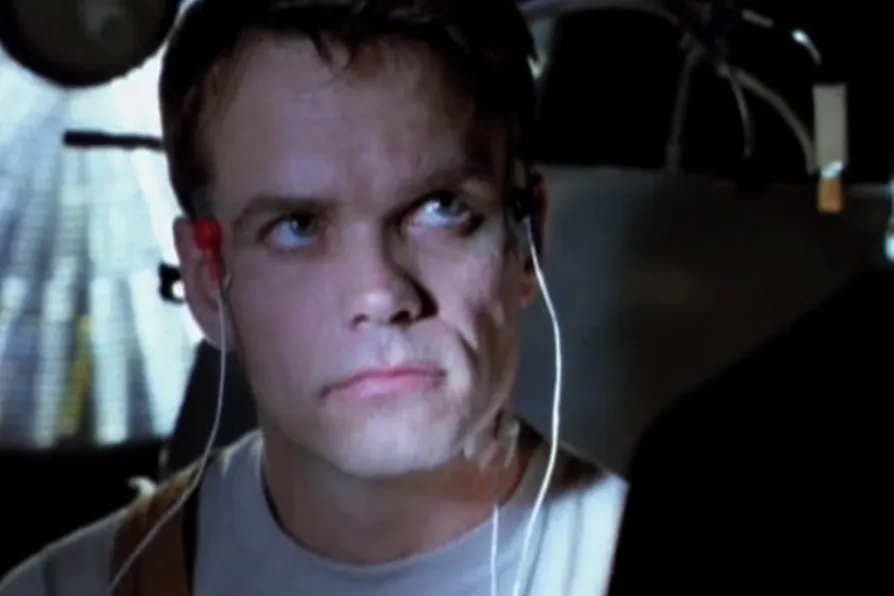 Dystopia now: Brave New World on film
ANGUS REID urges us to understand the persecution of Jason Arday from a political and historical perspective, and to see the victim in human terms
Re-releases of the classics Gypsy Rhumba and Buena Vista Social Club, and a stunning album by Palestinian artist Faris Ishaq
Nothing, says ANDY HEDGECOCK, can rescue this undistinguished amalgam of ponderous melodrama and shallow philosophical speculation
JAMIE BRITTON invites readers to visit 3,500 locals as part of a marathon artistic pub crawl
JOHN GREEN welcomes a valuable and incisive analysis of a world become hyperpolitical but without the mass movement institutions to represent it





GEORGE ORWELL’S 1984 has been the Bible of anti-communist crusaders for generations and it’s a permanent fixture on reading lists in schools and colleges.
Yet other dystopian novels like Brave New World, written in 1931 by Aldous Huxley — 17 years before Orwell’s work — or Kurt Vonnegut’s Player Piano (1952) are largely unknown today. Why would that be?
1984 was used not only to vilify the Soviet Union but communist and socialist ideas in general. Everyone is aware of the concepts of Big Brother, Newspeak and Doublethink. It’s not really surprising that Huxley’s fiction, probably inspired by the Soviet writer Yevgeny Zamyatin’s novel We, is not better known because its premise that it is capitalism taking us down the road to uniformity and loss of individualism is not one the ruling elite wish to see promoted.

Similar stories
Media Lens at 25: David Cromwell and David Edwards reflect on a quarter-century of media criticism, explaining why independent journalism is more important than ever
FIONA O’CONNOR questions the achievement of this year’s Orwell prize winner for political fiction
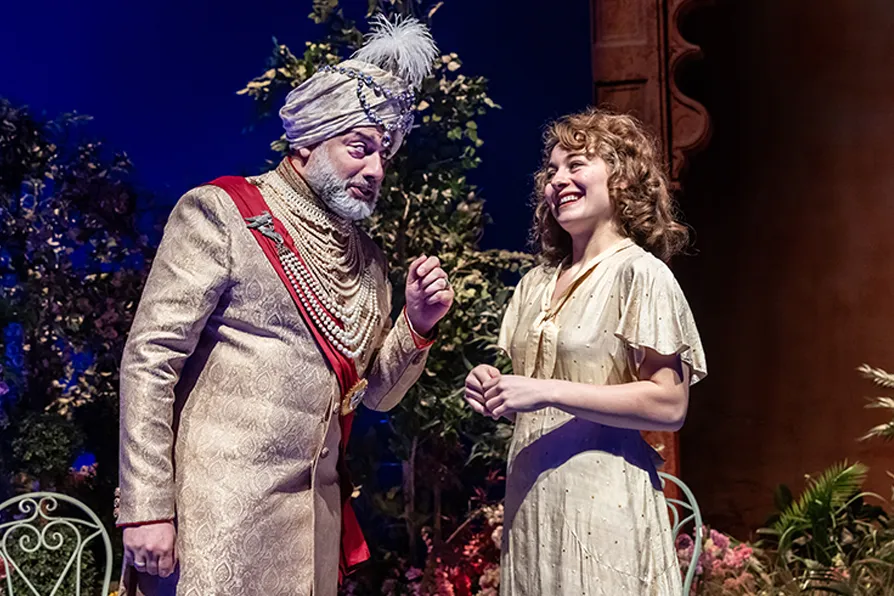
Although this production was in rehearsal before the playwright’s death, it allows us to pay homage to his life, suggests MARY CONWAY

Digital ID means the government could track anyone and then limit their speech, movements, finances — and it could get this all wrong, identifying the wrong people for the wrong reasons, as the numerous digital cockups so far demonstrate, warns DYLAN MURPHY