Growing instability in the US economy and financial markets could have serious consequences worldwide because of the central role of the US dollar and financial system, argues MICHAEL BURKE


 Latest editorial

The downgrading of depression
New guidance from Nice could strip those with severe symptoms from the support they need, writes RUTH HUNT
 [Nils Werner/flickr/Creative Commons]

Despite Andy Burnham’s declaration defending the continued partition of the island, all major international and internal trends are converging to make Irish reunification inevitable
The left needs a bold energy vision – because if it fails to provide one, others will shape the future in their own interests, argues ALAN SIMPSON
From Margate to Deal, mining memories are being kept alive. National co-ordinator for General Strike 100, HENRY FOWLER continued his nationwide tour of partner organisations in the Garden of England
Humans are part of the ‘animal kingdom’ – and of nature in general – but also distinct from it and labour (work) is part of what makes us unique, declared Engels. His insights 150 years ago into how our species came to be and how we differ from the rest of nature, are as important today as they were then, says the MARX MEMORIAL LIBRARY
Boxes of books, family photos and heirlooms, labour movement anniversaries, along with nostalgic memories of glorious childhood days on the Ayrshire coast still leave room for a wistful MATT KERR to hope for a better future





THE National Institute for Health and Care Excellence (Nice) has published its draft guidelines on the treatment of depression — the first change in 12 years.
In this it differentiates between what it calls mild, moderate and severe depression, with a so-called “menu” of treatment options available, to tempt healthcare providers and patients away from anti-depressants.
It would be hard to argue against increasing choice. But still there are a few points that remain a concern, such as how decisions are made as to what group a patient belongs to, along with the pressure on services. More widely, why are the terms reactive and clinical not being used and why are these changes being made now?

Similar stories
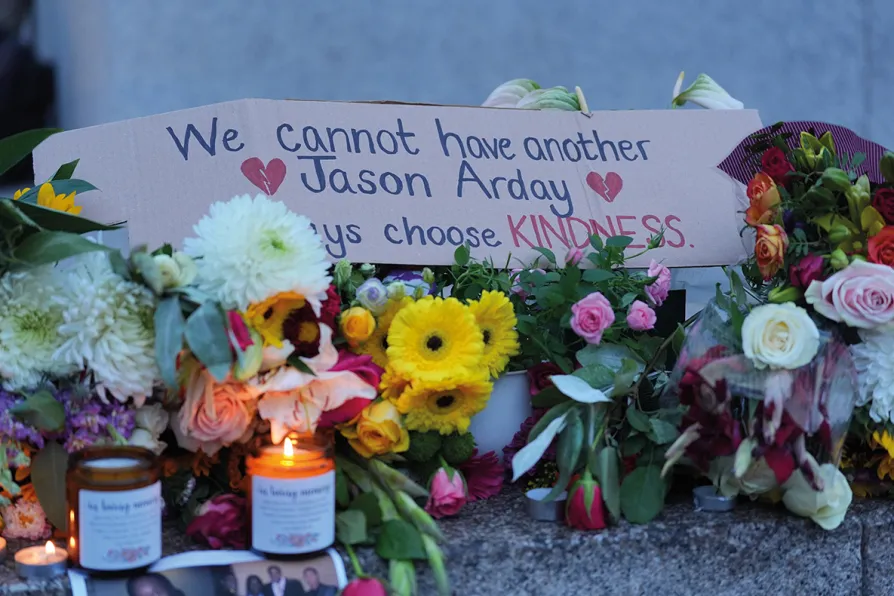
The hounding of the late Jason Arday is an all too familiar experience for many black people. ROGER McKENZIE calls for collective action to combat what can feel like personal isolation

PAOLO SANTALUCIA reports on how an Italian region defies US pressure to end a Cuban doctors programme

Peter Murrell’s weakness for the allure of prestige goods is symptomatic of modern consumer culture, says MATT KERR

In the second part of her critique of Wes Streeting’s TenYear Plan for Health, HELEN MERCER looks at the central planks of this privatisation blueprint