

 Latest editorial

Polanski sets out his economic vision in first major speech on the matter
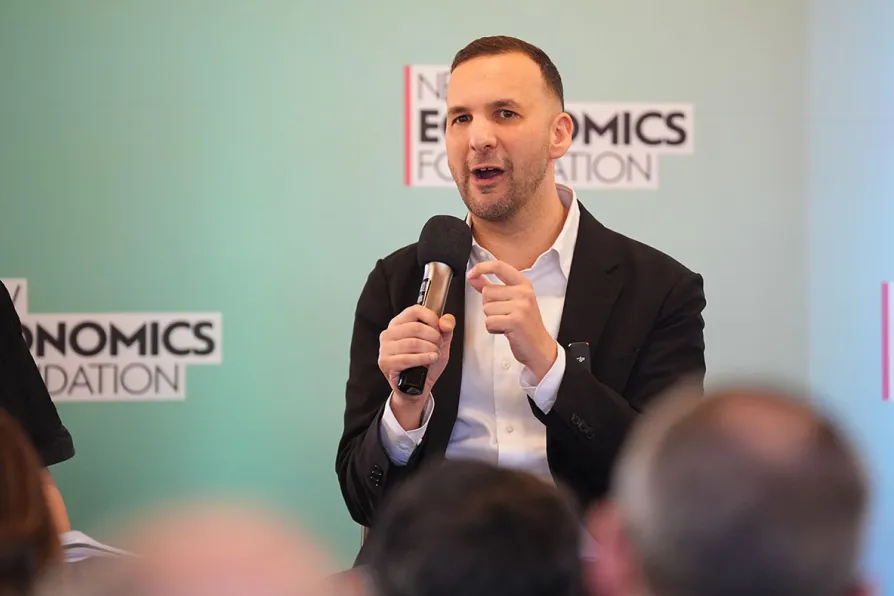 Green Party leader Zack Polanski delivers a keynote speech at the New Economics Foundation at Wolves Lane Centre in London, March 18, 2026
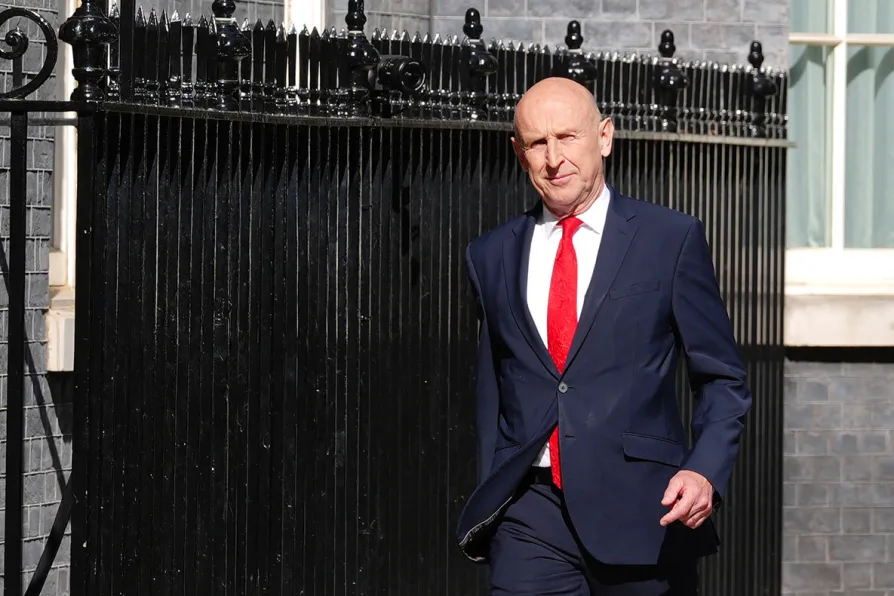





GREEN leader Zack Polanski called for Britain to break out of the “bond market doom loop” in his first major speech laying out his party’s economic vision today.
He called on PM Sir Keir Starmer to replace Britain’s “failing” budget rules with “fiscal referees” in his vision to “end rip-off Britain” and said the Greens would implement a wealth tax if elected.
Mr Polanski made the case for a Green-run economy, which would aim to end an over-reliance on bond markets, calling the current fiscal framework overly sensitive to market movements.
He warned the current system exacerbates uncertainty for Britons, explaining that “decades of fiscal tightening, often to meet fiscal rules, have meant stretched services and people suffering.”
Speaking at the New Economics Foundation, which has historically been aligned with the Labour Party, he said: “Successive governments have hemmed themselves in with an economics that denies people the services they require and support they rely on, often to placate a set of arbitrary rules.”
Mr Polanski demanded that “rigid” fiscal multiplier assumptions be updated, claiming they “constrain effective government policy” by “prioritising short-term fiscal targets over the longer-term economic and social gains that targeted government spending could achieve.”
He said of these systems which, according to him, hold back planning for major infrastructure projects in Britain: “The government should change these failing fiscal rules — opting instead for fiscal referees.”
The Office for Budget Responsibility (OBR) was also the target of the Green leader’s speech, with Mr Polanski saying the government’s offical forecaster was “born of promises to ‘eliminate’ the deficit and take ‘urgent action to reduce debt’ — and it’s clearly failed.”
Another key point of his economic vision included a wealth tax which will make “the uber-wealthy pay their share.”
“We know that a wealth tax won’t fix everything, and no-one’s ever pretended it would, but it’s a good place to start,” he explained.
“Implementing a 1 per cent tax on wealth over £10 million and 2 per cent over £1 billion would raise around £15bn per year — and send a very clear message that those who have accumulated the most money will pay a little bit more — and get that money flowing through the economy and benefiting everyone.
“For a truly progressive government a wealth tax should be a day one priority.”
