The question is not simply how much we spend on defence, but what we understand defence and security to mean, says SIMON BRIGNELL



BBC Newsnight: how its guest choices distort the reality of war
After the fall of Kabul, the BBC's flagship news programme chose to interview only those who were likely to sympathise or feel complicit with the failed 20-year occupation — but it is also who they didn't speak to that reveals the state broadcaster's agenda, writes IAN SINCLAIR

Given the recent rejection of peace proposals by Israel the world must provide an immediate and resolute response to force accountability on Gaza, argues RAMZY BAROUD
MARK SEDDON tries to cool off in the countryside to avoid the heatwaves but the greed and incompetence of the privatised water industry is now at boiling point
The disputed election of a far-right president, who is also a US citizen, signals further consolidation of Washington’s regional power and represents a threat to the country’s democracy and sovereignty, writes WT WHITNEY JNR
by Her Excellency Ismara Mercedes Vargas Walter, Ambassador of the Republic of Cuba to the United Kingdom
DR STEPHEN WILKINSON assesses the life and legacy of a revolutionary giant





“WATCH Newsnight tonight.” This was the response from BBC Newsnight’s Policy Editor Lewis Goodall to someone tweeting on August 12, “Who should I follow to understand the contemporary situation in Afghanistan? Feel like the media in the UK not covering it enough/from all angles.”
How well has Newsnight been reporting on Afghanistan? In an attempt to gain some insight into this question, I made a list of the people the BBC news programme directly interviewed about Afghanistan in August, when Western military forces were compelled to hastily withdraw and a crisis ensued in and around Kabul airport.
This amounted to 118 people interviewed either from the studio or as part of a video report (this figure includes multiple appearances on different days by the same person). I didn’t include pooled news clips of speeches and interviews — those shared with other outlets — which were largely of US-British government and military figures.

Similar stories
Media Lens at 25: David Cromwell and David Edwards reflect on a quarter-century of media criticism, explaining why independent journalism is more important than ever
ANGUS REID considers the power of the podcast as a vehicle for consensus building in opposition to mainstream media narratives
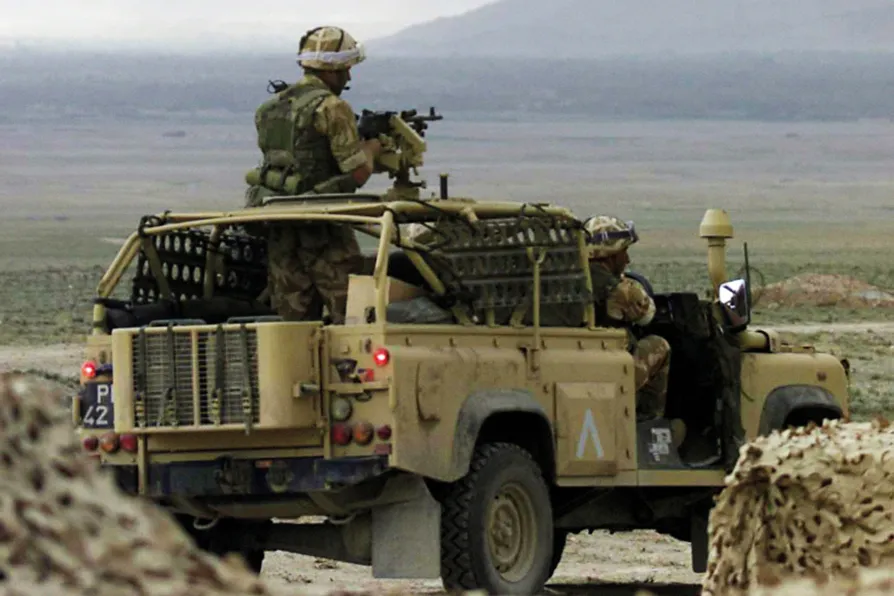
Outrage greeted Donald Trump’s suggestion earlier this year that Britain stayed off the front lines. But evidence suggests our forces were at times pulled from the most dangerous fighting — not by military failure, but by pressure at home, says IAN SINCLAIR
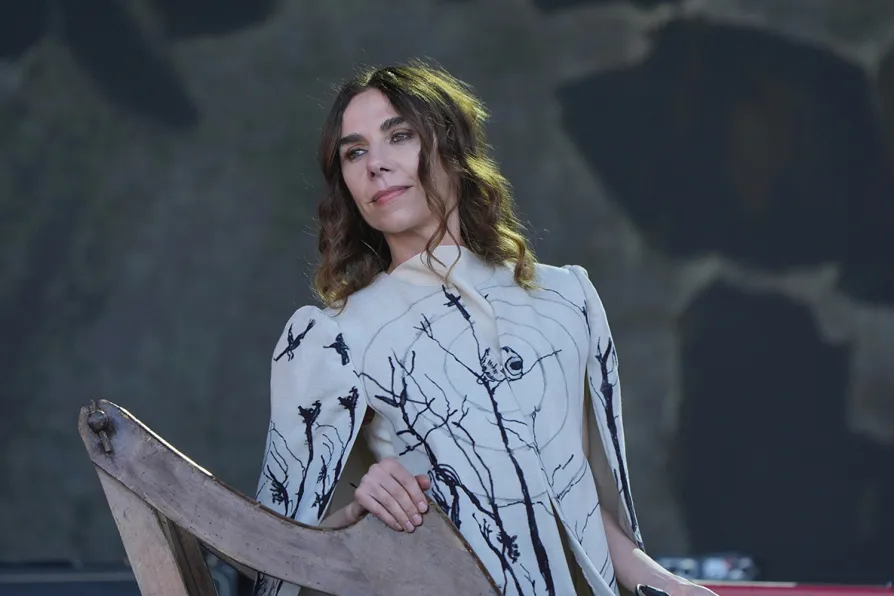
On January 2 2014, PJ Harvey used her turn as guest editor of the Today programme to expose the realities of war, arms dealing and media complicity. The fury that followed showed how rare – and how threatening – such honesty is within Britain’s most Establishment broadcaster, says IAN SINCLAIR