Morning Star editor BEN CHACKO says assessing a Labour leader whose mission was to smash the left must involve addressing the delusions that fuelled his rise


 Latest editorial
America’s Red Summer 100 years ago
PETER FROST remembers hundreds of black deaths during 1919’s Red Summer
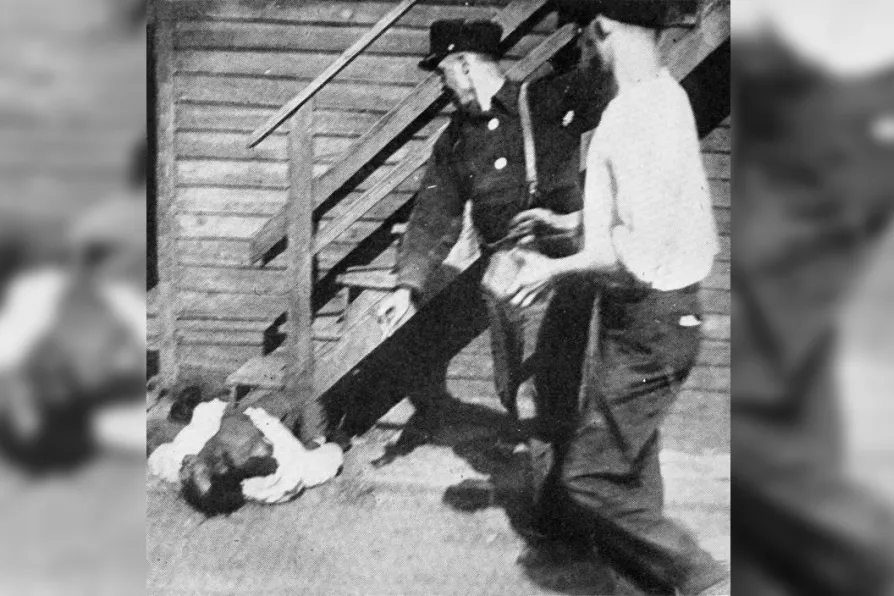 An African-American is stoned by whites during the 1919 Chicago race riot
Rebuilding Labour’s working-class roots and organising power is essential if the party is to recover, says MERCEDES VILLALBA
ANDREW MURRAY looks back at a damaging career marked by dishonesty, incompetence and revolting complicity in war crimes
Britain’s historic vote to leave the EU was a rejection of the political Establishment and the strategic direction pursued by Britain’s ruling class since the second world war, writes ALEX GORDON
Over 1,000 hostile US sanctions remain in place on Venezuela, while Britain continues its colonial theft of gold, writes MATT WILLGRESS
MARY DAVIS says the centrality of the Jewish community and the Communist Party to anti-fascism in the 1930s is too often overlooked on the left





THE US in the summer and autumn of 1919 was a place of violence and racial anger and yet today, exactly a century later, those events have almost been written out of the country’s official history.
There are no national events marking Red Summer, history textbooks ignore it and most museums don’t mention it.
It was branded “Red Summer” because of the bloodshed that was some of the worst white-on-black violence in the whole of US history, yet it is only now that some, more progressive, historians are beginning to analyse these events.
The violence happened all across the US in small towns like Elaine, Arkansas, in medium-size places such as Annapolis, Maryland, and Syracuse, New York, and in big cities like Washington and Chicago.

Similar stories
The pioneering activist understood that freedom could only be won through solidarity across communities. Her legacy offers vital lessons at a time when progressive politics risks losing that shared purpose
The Morning Star republishes PRAGNA PATEL’s speech at the annual commemoration of Claudia Jones on February 22 2026
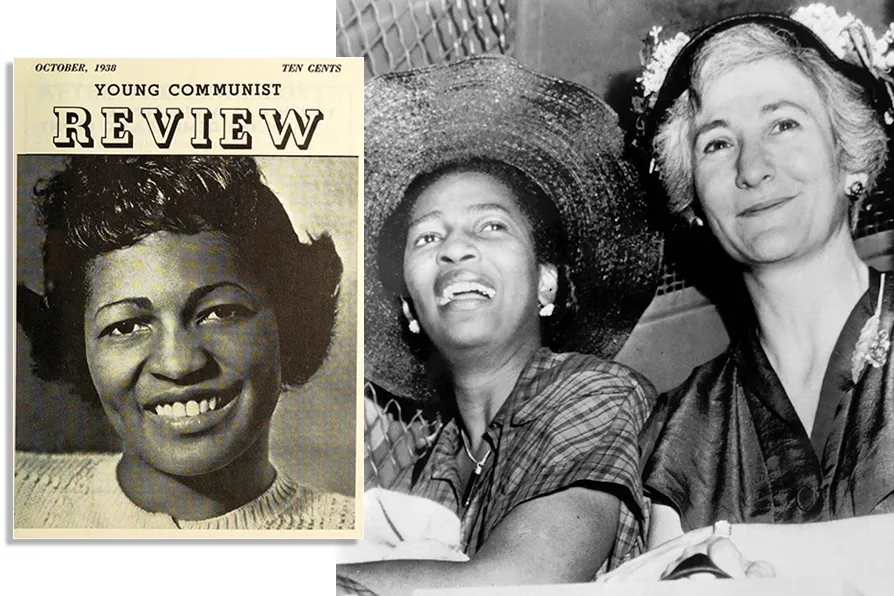
On the 121st anniversary of communist Claudia Jones’s birth ROGER McKENZIE looks at political events that shaped her, and those she helped shape
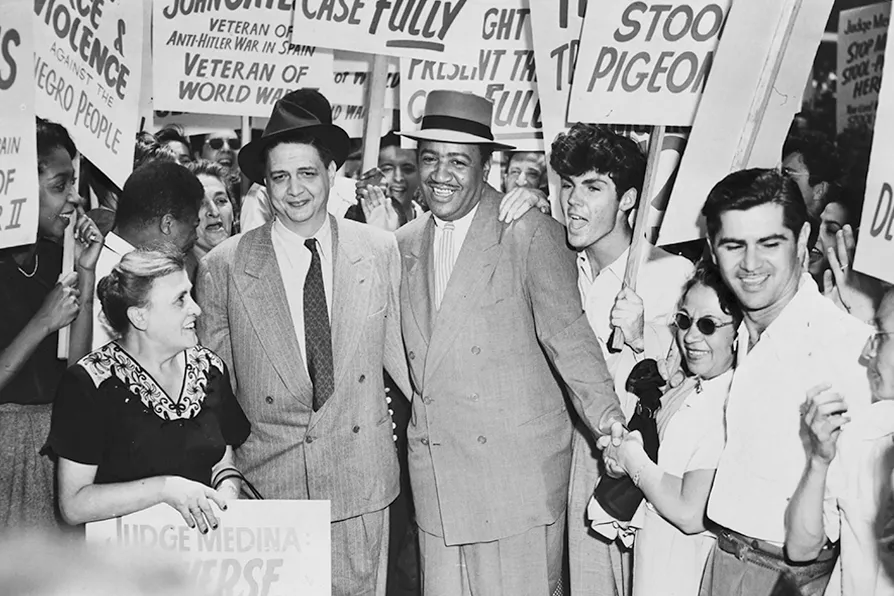
After Zohran Mamdani’s electoral win, BHABANI SHANKAR NAYAK points to the forgotten role of US communists in New York’s radical politics
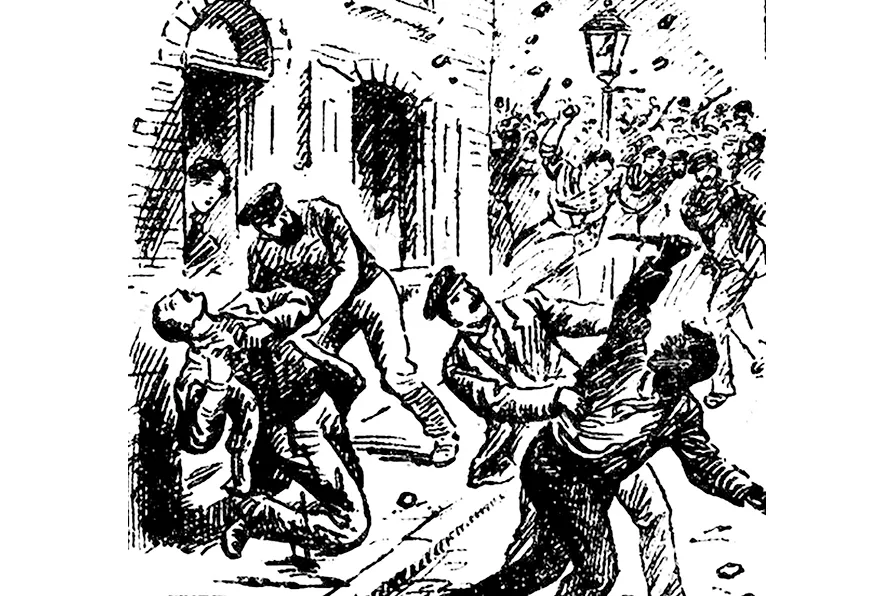
White racist rioting has many an infamous precedent in Britain, writes DAVID HORSLEY