Trade unions need to step up and force a turn in the policies of the labour movement to effectively confront the far-right threat, argues NICK WRIGHT


 Latest editorial

The bubble is set to burst again – but speculators never learn
As house prices – fuelled by idiotic government policy – approach pre-crash levels, another recession is set to follow, writes JOHN ELLISON

As the 90th anniversary of the outbreak of the Spanish civil war is marked, Teesside campaigners will gather to remember the local men and women who stood against fascism, explains TONY FOX
Whatever differences exist among international sympathisers of the Bolivarian revolution about its current trajectory, they should unite against the imperialist power that is the source of an enforced retreat, argues ROGER D HARRIS
Washington’s inability to subjugate Iran is an example of how it is trying to preserve a regional order that no longer exists, argues RAMZY BAROUD
US financial instability is exposing the limits of a dollar-dominated global economy — and giving the Global South a historic chance to build an alternative, says MURAD QURESHI
Deprivation is a fundamental factor in criminal behaviour that must be addressed but, KENNY MacASKILL argues, there needs to a major rethink in sentencing to tackle overcrowding





ECONOMIST Heather Stewart last week referred to the 2007 sub-prime mortgage crash and its aftermath as “the latest in a series of periodic convulsions in modern capitalism.” She had no doubt that “a fresh crisis looms.”
She linked this prospect to warnings in recent days from the International Monetary Fund (IMF) and the United Nations’s trade and development arm UNCTAD. A specific fear is that speculative money which “swills unchecked around the world,” may be abruptly withdrawn from these countries. The fear stems from the protracted recent fall in global commodity prices and the connected slowdown in weaker economies.
The possibility of increased global interest rates, for six years rejected as an option, only enhances this fear. Fellow economist Larry Elliott wrote in Monday’s Guardian that the IMF message to Europe and Japan is “to print some more money,” as raising interest rates could have “nasty spillover effects around the rest of the world.”

Similar stories
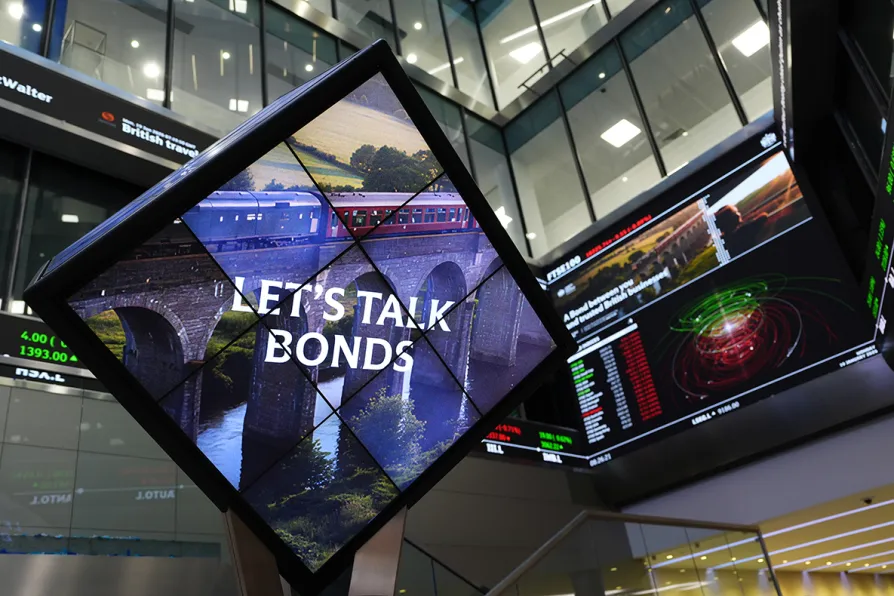
DOUG NICHOLLS says the parasitic finance markets must be challenged or another British government could be toppled

Growing instability in the US economy and financial markets could have serious consequences worldwide because of the central role of the US dollar and financial system, argues MICHAEL BURKE

Friedrich Merz’s call for a new Plaza Accord ignores how Washington’s 1985 currency ambush destroyed Japan without fixing US deficits — China, a sovereign socialist state with 1.4 billion consumers, cannot be bullied the same way, writes CARLOS MARTINEZ

Western nations’ increasingly aggressive stance is not prompted by any increase in security threats against these countries — rather, it is caused by a desire to bring about regime changes against governments that pose a threat to the hegemony of imperialism, writes PRABHAT PATNAIK