

 Latest editorial

Prime Minister must give young workers the right to guaranteed hours and ending the scourge of insecure work, TUC says





A report claiming that British military actions could be undermined by human rights laws was slammed yesterday as little more than an exercise in shoring up governmental views.
Right-wing think tank Policy Exchange argued that Britain's enemies could view the courtroom as a way of "paralysing" the armed forces in any future conflict.
But Leigh Day & Co solicitors, which has brought a number of high-profile cases against the Ministry of Defence, said the report was blatantly biased and appeared to have been written with the government's full co-operation.

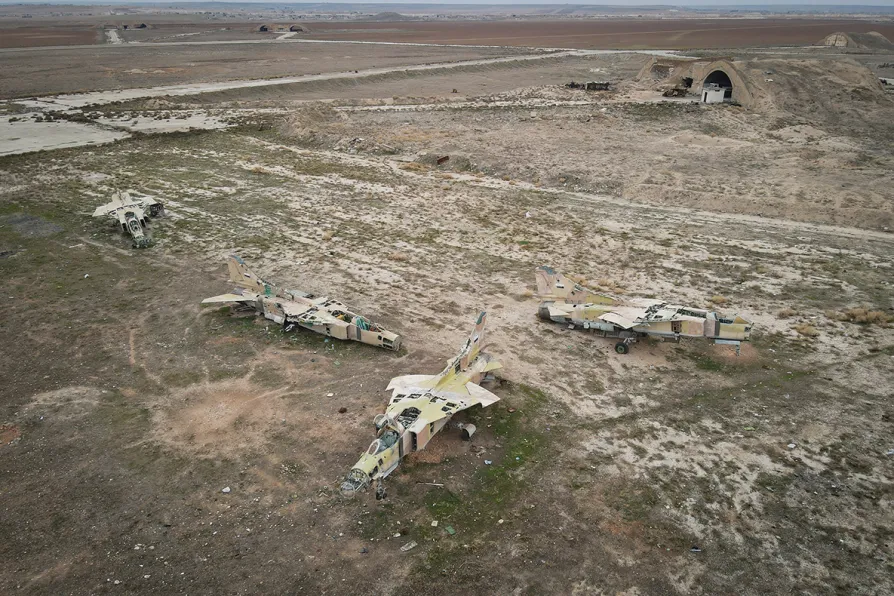
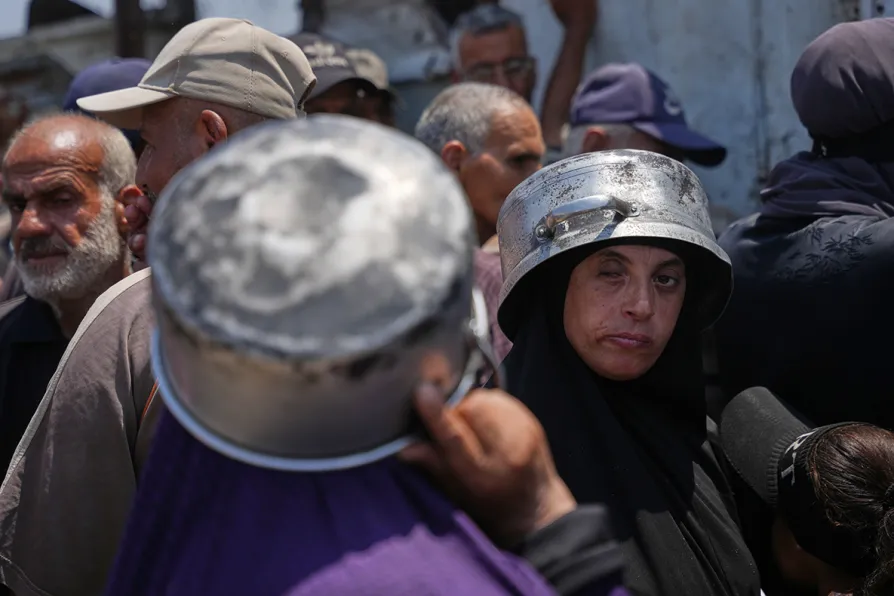
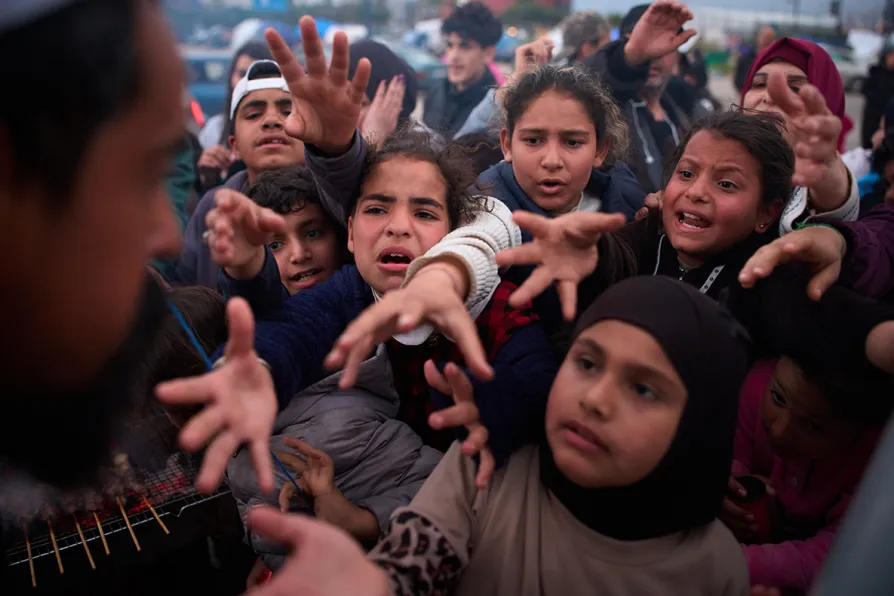
ANSELM ELDERGILL looks at the legality of the wars in the Middle East and the means used to fight them. It is said that truth is the first casualty of war, so what is the truth with regard to the legality of America’s and Israel’s wars in Iran, Palestine and Lebanon?
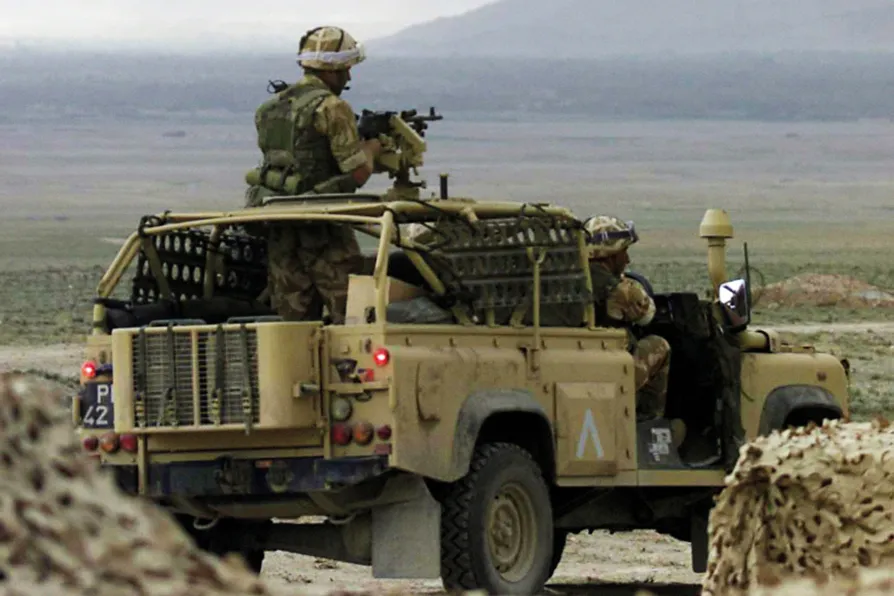
Outrage greeted Donald Trump’s suggestion earlier this year that Britain stayed off the front lines. But evidence suggests our forces were at times pulled from the most dangerous fighting — not by military failure, but by pressure at home, says IAN SINCLAIR