Latest editorial
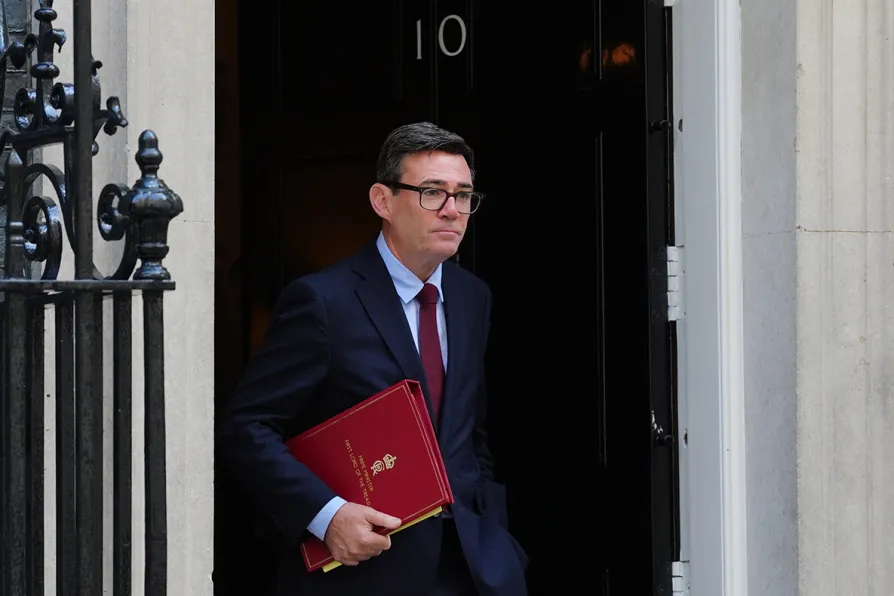 Prime Minister Andy Burnham departs 10 Downing Street, London, to attend his first Prime Minister's Questions at the Houses of Parliament, September 9, 2026





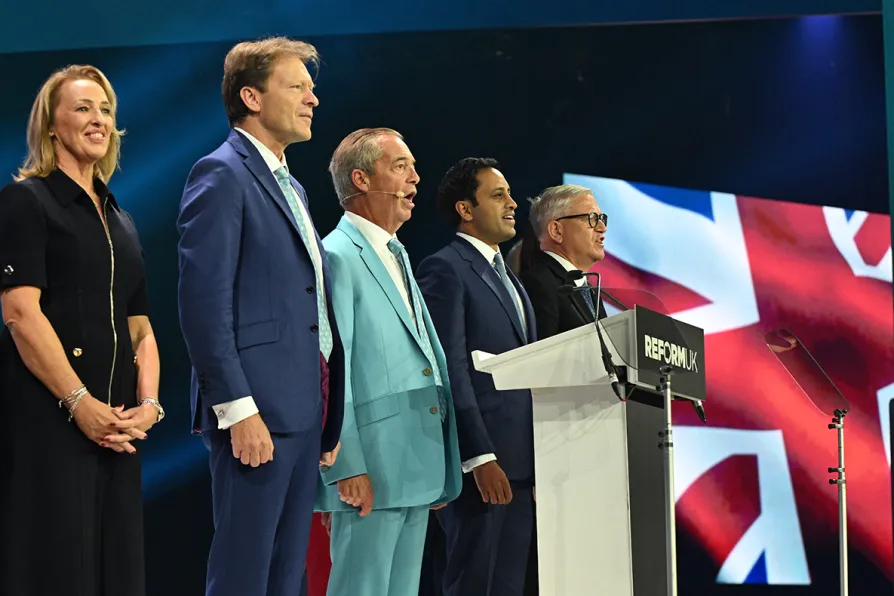
THE record-breaking sums donated to Reform UK by two super-rich cryptocurrency speculators make it urgent to develop a mass-appeal politics of the millions, not the millionaires.
Replacing Keir Starmer with Andy Burnham has arguably won Labour a second hearing, but as Unite general secretary Sharon Graham points out, the public’s indulgence will not last long. The “Burnham bounce” has been clear, putting Labour back ahead of Reform in polls for the first time in over a year, but also minimal — it still limps along in the polls well below its 2024 election-time support, which itself was the lowest share of the vote a winning party had ever received.
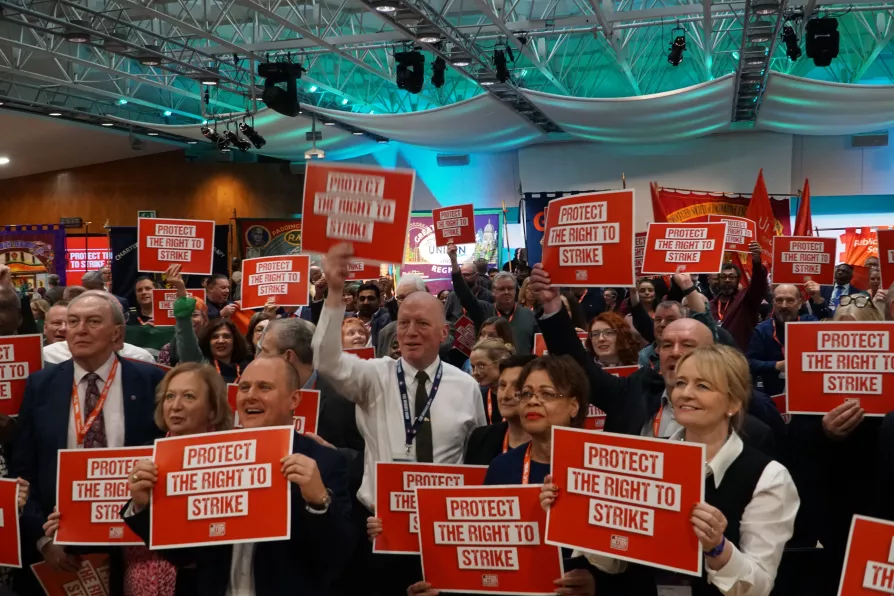
The gap between Burnham’s stated project — correcting a wrong course he says Britain has been set on for four decades — and the policies needed to do it needs closing if that’s going to change. And three overlapping and ambitious motions before the TUC Congress today in the Fairer Economy debate show where that process should start.
Unison’s focuses on raising wages and insourcing: and these are immediate issues where the government needs to feel union pressure now, before it announces the Budget.
Burnham recognises the cost of living as the single biggest cause of anxiety for most households, and reversing the real-terms decline in pay packets since the Tories took power is the most obvious way to do something about it.
Outsourcing is not only a driver of low pay but creates two-tier workplaces and degrades the quality of public services. The Insource Now drive launched by Unison and RMT recognises the need to mobilise workers in an outward-facing campaign if ministers are to feel pressure from below to keep their promise of the “biggest wave of insourcing in a generation” — and overlaps with the concerns of other unions delivering essential services.
Unite’s raises the crucial question of public ownership and wider fiscal policy: its demands for publicly owned water and energy are not just obvious vote-winners (since an overwhelming majority support both) but are key in turn to the substantive solution to Britain’s long-term economic decline, the reindustrialisation of the country. Profiteering in the commanding heights of the economy hugely raises costs for public services but also for industry.
It specifies tax reforms that shift the burden from workers to owners and identifies a “buy British” procurement policy as key to rebuilding British manufacturing.
And RMT’s demand for a new political and economic strategy stresses the need for “maximum possible flexibility in the use of state aid, fiscal policy, investment, public ownership and procurement and protection of manufacturing” but also points out obstacles to achieving it.
One — Treasury orthodoxy — will not be controversial at the TUC. Rachel Reeves’s fiscal rules have few fans in the trade union movement.
But the other — our economic and trading relationships — will be more so. Most unions opposed leaving the EU (the RMT was an exception) and some have pushed to reopen the question, with one motion submitted by the Prospect union calling for nothing to be off the table in developing a closer relationship with the EU.
But as RMT points out, re-entry to the single market would reverse progress towards rail renationalisation. It would severely restrict the choices available to government on extending public ownership and supporting British industry.
And it would be a political error, reviving “divisive debates” on exactly the ground the last major left-wing advance in this country was defeated.
The key to breaking Reform’s appeal is to demonstrate that the left has a way out of the fix Britain is now in.
A trade union-led campaign for the radical economic restructuring of the country could restore political momentum to the left: rerunning the debates of the 2010s would see us going in circles. Delegates at this year’s TUC should look forwards, not back.

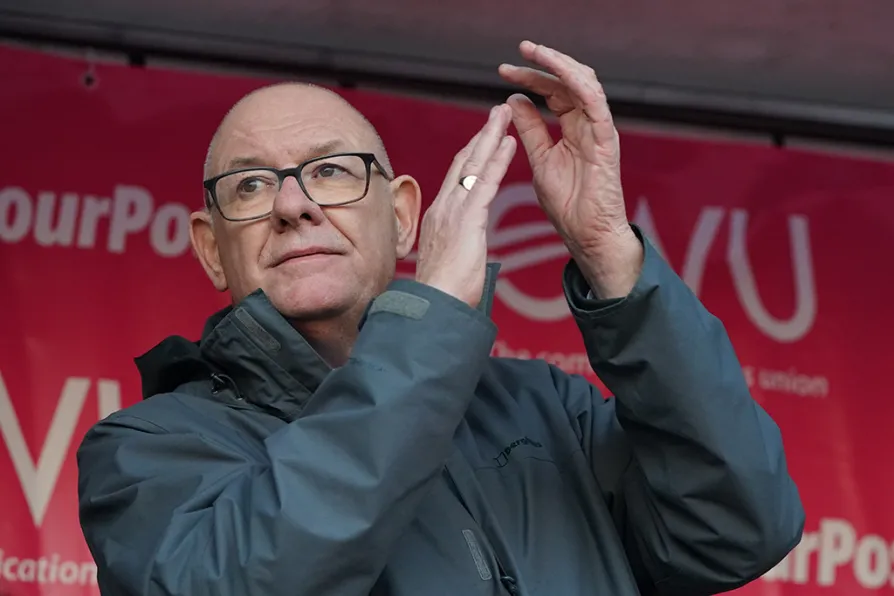
DAVE WARD of the Communication Workers Union says unions must step up to meet the challenges of a transformed world of work